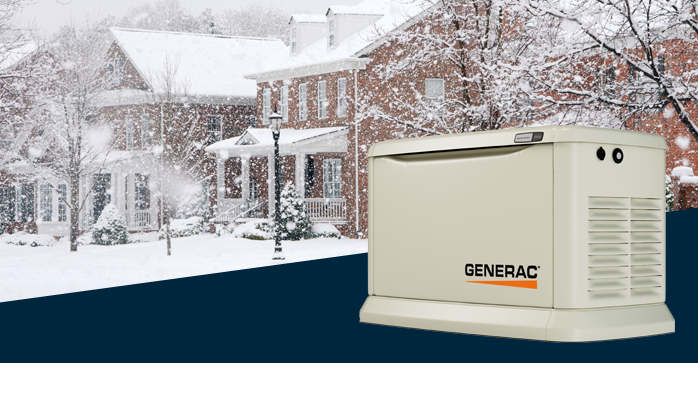
Picture this: a winter storm is rolling in, the snow is piling up, and just as you’re settling in for a cozy night, the power goes out. But wait—you’ve got a trusty backup generator ready to kick in and save the day.
Or do you? To ensure your generator is ready to go when you need it most, it’s crucial to winterize it properly. Without the right preparation, even the best generators can fail in freezing conditions, leaving you and your family in the cold and dark.
In this guide, you’ll discover simple yet effective steps to winterize your home backup generator. We’ll walk you through each step, making it easy for you to protect one of your home’s most valuable assets. By taking a few proactive measures now, you can secure peace of mind and avoid unexpected outages when the temperature drops. Curious to learn how you can keep your home powered and your loved ones safe this winter? Let’s dive in!

Credit: casproservice.com
Choosing The Right Location
Generatorsneed a good spot to work well. Keep them at a safe distancefrom your home. This prevents fumes from getting inside. Place the generator at least 20 feet away. Make sure exhaust points away from your house.
Protect your generator from rain and snow. Use a shelterlike a small shed or canopy. This keeps the generator dry and safe. Ensure air can move around it freely. Good air flow helps it work better and last longer.
Fuel Type Considerations
Consider the generator’s fuel type to ensure efficiency in cold weather. Propane performs well in low temperatures, while diesel may require additives. Ensure adequate fuel supply for uninterrupted operation during winter.
Gasoline Storage Tips
Gasoline needs a safe place. Store it in a cool, dry spot. Use approved containers for safety. Check for leaks often. Label containers with the date. Rotate gasoline every six months. Fresh gas works better.
Propane And Natural Gas Options
Propane lasts longer than gasoline. It is stored in tanks. Natural gas comes from pipes. It is always ready to use. Both are cleaner than gasoline. Choose what fits your home. Check local rules for use.
Battery Maintenance
Check the battery’s health often. Look for any corrosion on the terminals. This can stop the battery from working well. Use a multimeter to check the voltage. A healthy battery shows 12.6 volts or more. If it’s less, the battery might need a charge or replacement. Always wear gloves when handling batteries for safety.
Store the battery in a cool and dry place. Avoid places with extreme temperatures. Heat or cold can damage the battery. Keep it on a non-conductive surface. This stops any unwanted discharge. Disconnect the battery if not using the generator for a long time. This saves the battery’s life and keeps it ready for use.

Credit: m.youtube.com
Oil And Coolant Check
Oil and Coolant Check Regularly check the oil and coolant levels in your home backup generator to ensure efficient winter operation. Proper maintenance helps prevent engine damage and ensures reliable performance during cold weather.
Changing Oil Regularly
Oil keeps the generator running smoothly. Change the oil every 50 hours of use. Always use the recommended oil type. Dirty oil can harm the engine. Clean oil ensures better performance. Check the oil level often. Add oil if it’s low. Don’t overfill it. Tighten the oil cap after adding.
Coolant Level Inspection
Coolant stops the engine from overheating. Check coolant levels before every use. Use the right coolant mixture. Fill the tank if the level is low. Don’t run the generator without coolant. It can damage the engine. Ensure the coolant cap is secure. Watch for leaks or spills. Clean up any spills immediately.
Air Filter Replacement
The air filter keeps the generator engine clean. Dust and debris can block the filter. Replace the filter before winter arrives. Make sure the generator is off and cool. Locate the air filter compartment. Open it carefully, and remove the old filter.
Check the new filter for any damage. Insert the new filter in the compartment. Ensure it fits snugly. Close the compartment securely. A clean air filter helps the engine run smoothly. It also improves generator lifespan and efficiency. Regular checks can prevent costly repairs. Always follow the user manual for guidance.
Exhaust System Inspection
Inspecting the exhaust system is crucial for winterizing a home backup generator. Check for leaks or blockages that might hinder performance. Ensure exhaust pipes are clear, allowing safe operation during cold months.
Checking For Obstructions
Look for leaves or debris blocking the exhaust pipe. Clear anything that might block the airflow. Use a flashlight to see inside the exhaust. Check if there are any animal nests or dirt. A clear path ensures the generator works safely. Never let anything block the exhaust.
Ensuring Proper Ventilation
Make sure the exhaust area has fresh air. Proper ventilation keeps the generator from overheating. Check if vents are open and clear. Blocked vents can cause dangerous fumes to build up. Always keep the exhaust area clean and open. This helps the generator run smoothly and safely.
Electrical Connection Safety
Ensure all electrical connections are secure to prevent hazards. Inspect cables for wear and tear. Proper maintenance helps your generator perform safely during winter.
Inspecting Wiring
Check all wires for damage. Look for cracks or fraying. Damaged wires can cause fires. Ensure wires are tightly connected. Loose connections can be risky. Use a flashlight to see dark areas. Be careful with sharp tools near wires.
Using Transfer Switches
Transfer switches help manage power safely. They switch between main and backup power. Install them near the generator. They prevent overloads and protect appliances. Follow the manual for correct use. Always turn off power before touching switches. Check the switch for damage regularly.
Regular Testing And Maintenance
Generators need regular checks to stay in good shape. Start the generator every few weeks. This helps the engine run well. Listen for strange noises. Check for any leaks. Keep the fuel tank full. This prevents moisture from building up. Make sure the battery is charged. A dead battery can cause problems.
Hire a professional to inspect the generator once a year. They will check all parts carefully. Professionals can find issues that are hard to see. They will change the oil if needed. They will also check the air filters. Clean filters help the generator work better. This keeps your generator ready for emergencies.
Weatherproofing Tips
Protective covers keep your generator safe from the elements. They are like raincoats for your machine. Choose covers made of durable and waterproof material. This will shield your generator from rain, snow, and dirt. Make sure the cover fits snugly. A loose cover can let water in. Secure the cover tightly to prevent it from flying away in strong winds. A good cover helps extend the life of your generator.
Insulating critical parts can help your generator work in cold weather. Use insulation kits to cover the sensitive parts. This keeps them warm and ready to start. Focus on insulating the engine and fuel lines. Cold can make fuel thick and hard to move. Proper insulation ensures your generator starts easily when needed. Check the insulation regularly for damage. Replace any worn or torn insulation materials promptly.
Documentation And User Manuals
Keeping manuals accessibleis very important. Store them in a safe place. A drawer or a shelf works well. Make sure everyone knows where they are. Easy access can save time in emergencies.
Consider making digital copies. A phone or computer can store these. This way, you won’t lose them. Having a backup is always smart.
Updating Maintenance Logs
Keep maintenance logsup to date. Record every service and checkup. Write down the date and details. This helps in tracking issues.
Use a notebook or a digital app. Choose what feels easier for you. Remember, clear notes make future fixes easier.

Credit: www.duromaxpower.com
Frequently Asked Questions
How Do I Winterize My Generator?
To winterize your generator, clean and store it in a dry location. Drain fuel and replace with fresh fuel. Check oil levels, inspect spark plugs, and ensure battery is charged. Use a cover to protect against elements. Regular maintenance prevents damage and ensures readiness for use.
How To Protect A Whole House Generator From Snow?
Install a weatherproof enclosure to shield the generator from snow. Regularly clear snow buildup around it. Ensure vents remain unobstructed for proper airflow. Use a proper generator cover when not in use. Elevate the generator on a platform to avoid snow accumulation.
What Is The 20/20/20 Rule For Generators?
The 20/20/20 rule for generators suggests running them for 20 minutes every 20 days at 20% load. This practice helps maintain the generator’s efficiency and prolong its lifespan. Regular exercise prevents fuel degradation and keeps internal components lubricated.
Should You Cover Your Generac Generator In The Winter?
Covering your Generac generator in winter protects it from snow, ice, and debris. Use a breathable cover to prevent moisture buildup. Ensure the cover allows proper ventilation to avoid overheating. Regularly check for any blockages or snow accumulation around the unit.
Proper maintenance ensures optimal performance during winter months.
Conclusion
Winterizing your home backup generator is crucial. It ensures smooth operation during cold months. Regular maintenance prevents costly repairs. Simple steps can protect your investment. Check fuel levels and change the oil. Inspect the battery for any corrosion. Clean the generator to avoid dust buildup.
Test it periodically to ensure functionality. Protect it with a weatherproof cover. These actions keep your generator ready for emergencies. Stay prepared and enjoy peace of mind. Your home remains powered, even in winter storms. Don’t wait for a power outage to act.
Take steps now for a hassle-free winter.