Are you ready to ensure your home never goes dark again? Wiring a Generac standby generator might sound complex, but with the right guidance, it becomes a manageable task.
Imagine the peace of mind you’ll have knowing that your home is safeguarded against unexpected power outages. This comprehensive guide will walk you through the process, step by step, giving you the confidence to tackle the project safely and efficiently.
By the end of this article, you’ll understand exactly how to wire your Generac standby generator, ensuring a reliable power backup for your home. So, let’s dive in and empower you with the knowledge you need to keep your lights on, no matter what.
Preparing For Installation
Gather all necessary toolsbefore starting. You will need a screwdriver, wire stripper, voltage tester, and wrench set. Have electrical tapeand cable connectorsready. A multimeterhelps check connections.
Ensure safety precautionsare in place. Turn off power at the main breaker. Wear insulated glovesand safety glasses. Work in a dry area to avoid electric shock. Never touch wires with wet hands.
| Electrical Code | Importance |
|---|---|
| National Electrical Code (NEC) | Sets wiring standards for safety |
| Local Codes | May have extra rules or permits |
| Manufacturer Guidelines | Ensure warranty and proper function |
Review all electrical codesbefore wiring. This avoids legal issuesand hazards. Check for local permitsneeded for installation.

Credit: www.reddit.com
Setting Up The Generator
Choose a flat, stable surface for the generator location. It should be close to your home but not inside it. Keep it away from windows, doors, and vents to avoid fumes entering the house. The area must allow good air flow for cooling.
Mount the generator on a firm base. Concrete slabs or heavy-duty pads work best. Secure the generator using bolts to prevent movement during storms or vibrations. Proper mounting helps reduce noise and protects the unit from moisture.
Connect the fuel supply carefully. Most Generac generators use natural gas or propane. Make sure fuel lines are tight and free from leaks. Use a licensed professional for fuel connections to ensure safety and compliance with local codes.
Wiring The Transfer Switch
Selecting the right transfer switchis key for safe generator wiring. Choose one that matches your generator’s power ratingand your home’s electrical panel. It must support all circuitsyou want to back up. Look for code-compliant modelsto ensure safety.
Mounting the transfer switchrequires a sturdy, accessible spot near your main panel. It should be dry and well-ventilated. Secure it firmly to avoid movement. Keep enough space for wiring and future maintenance.
Running wiring from the panel to switch needs correct wire gaugebased on amperage. Use copper wiresfor better conductivity. Avoid running wires near heat sources or sharp edges. Label wires clearly for easy identification.

Credit: www.reddit.com
Connecting The Generator To The Transfer Switch
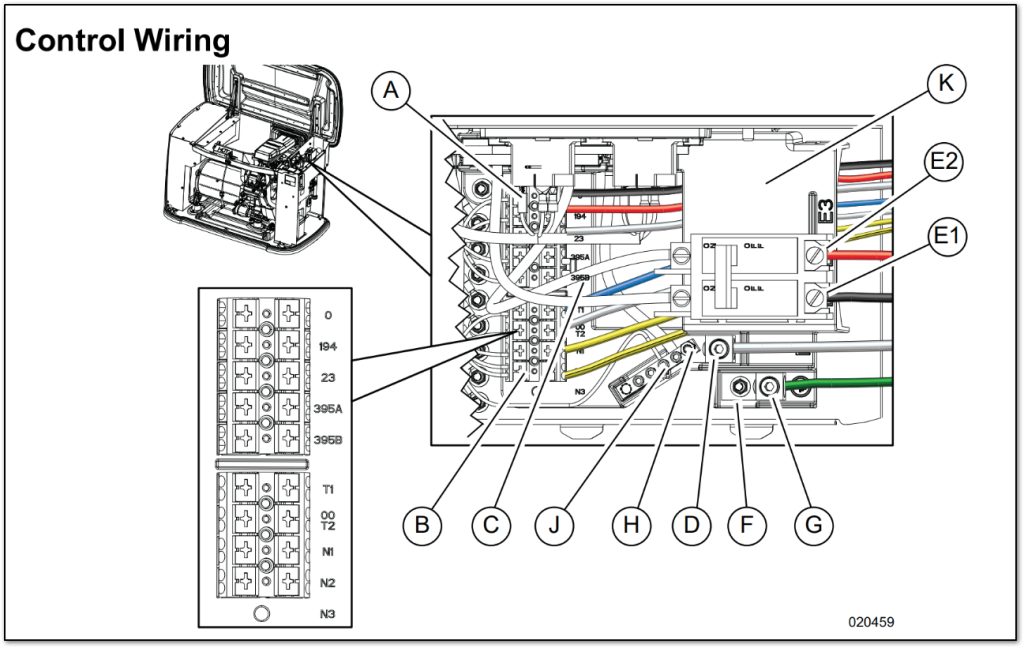
Connect the generator output wiresto the transfer switch terminals. Use the correct wire gauge based on the generator’s amperage. Ensure all connectionsare tight and secure to avoid loose contacts.
Double-check that the neutral and ground wiresare correctly connected. The neutral should go to the neutral bar, and the ground to the grounding bar in the transfer switch.
- Use a torque wrench to tighten terminals to the manufacturer’s specs.
- Wrap exposed wire ends with electrical tape for extra safety.
- Check for any damaged insulation and replace if needed.
Test continuity with a multimeter before powering the system. This ensures no breaks or shorts in the wiring.
| Test | Expected Result |
|---|---|
| Continuity between generator output and transfer switch | Low resistance, near zero ohms |
| Neutral to ground | No continuity (open circuit) |
Final Electrical Connections
Grounding the systemis essential for safety. Connect the generator frame to a grounding rod driven into the earth. Use a copper wire that meets local electrical codes. This helps prevent electrical shocks and damage.
Connecting neutral and ground wiresrequires care. The neutral wire should be isolated from the generator frame. The ground wire must connect the frame to the grounding system. Never join neutral and ground wires together inside the generator. This avoids electrical hazards.
Inspecting wiringis the final step. Check all connections for tightness and correct placement. Look for damaged wires or loose screws. Use a voltage tester to confirm power flow. Safety first. Take your time.
Testing And Starting The Generator
Powering up the systemrequires checking all connections. Ensure the generator is properly wired to the transfer switch. Turn on the main breaker to allow power flow. Confirm the fuel supply is on and the battery is charged. Start the generator using the control panel. Wait for the engine to run smoothly before proceeding.
Running initial testschecks if the generator works well. Test the transfer switch by switching power from the grid to the generator. Observe if the generator supplies electricity without interruptions. Listen for unusual sounds or vibrations. Check all output voltages with a multimeter to ensure they match specifications.
Troubleshooting common issuesinvolves simple checks. If the generator fails to start, verify fuel and battery levels. Check circuit breakers and fuses for tripping. Inspect wiring connections for looseness or damage. Reset the transfer switch if it does not switch properly. Contact a professional if problems persist.
Maintenance Tips
Regular inspection helps find problems early. Check for loose wires, rust, or damage. Look at the generator’s control panel and connections. Make sure all parts are dry and clean. Pay attention to unusual smells or sounds.
Cleaning and servicing keep the generator running well. Remove dust and dirt from vents and fans. Change the oil and filters as the manual says. Test the battery and fuel system often. A clean generator lasts longer and works better.
Updating wiring ensures safety and efficiency. Use the right wire size and type for the generator. Replace old or worn wires quickly. Make sure all connections are tight and protected. Good wiring prevents shorts and fires.

Credit: www.youtube.com
Frequently Asked Questions
How Do I Wire A Generac Standby Generator Safely?
Always turn off the main power before wiring. Use proper gauge wires and follow the Generac manual. Connect the generator to the transfer switch, ensuring all connections are tight and secure. Consult a licensed electrician if unsure about any step.
What Tools Are Needed To Wire A Generac Generator?
You need wire strippers, screwdrivers, voltage tester, conduit bender, and electrical tape. Additionally, use a drill and proper connectors. Having the right tools ensures a safe and efficient wiring process.
Can I Wire A Generac Generator Myself?
Yes, if you have electrical knowledge and follow safety guidelines. However, hiring a licensed electrician is recommended to ensure code compliance and safety. Improper wiring can cause hazards or damage.
How Do I Connect A Generac Generator To A Transfer Switch?
Run wires from the generator’s output terminals to the transfer switch input. Follow the wiring diagram in the Generac manual. Make sure all connections are secure and the switch is rated for your generator’s power.
Conclusion
Wiring a Generac standby generator can seem tough at first. Take your time and follow each step carefully. Always check your work and use the right tools. Safety matters most—turn off power before starting. A properly wired generator keeps your home powered during outages.
Remember, clear instructions help you avoid mistakes. Trust your skills and stay patient throughout the process. Soon, you’ll enjoy reliable backup power without worry. Keep this guide handy for future reference. Ready to keep your home safe and powered?