Are you tired of power outages disrupting your daily routine? Imagine a seamless switch to backup power every time the lights go out.
Installing a standby generator with an automatic transfer switch (ATS) could be your solution. But how do you wire this crucial component safely and effectively? Understanding the wiring of an ATS is not just about convenience; it’s about ensuring your home or business remains powered without a hitch.
In this guide, we’ll walk you through the essentials of wiring a standby generator automatic transfer switch. You’ll gain the confidence and knowledge to keep your power on when it matters most. Ready to take control of your power supply? Let’s dive in!
Choosing The Right Transfer Switch
Types of transfer switchesinclude manual and automatic. Manual switches need you to flip a switch to change power sources. Automatic transfer switches (ATS) switch power on their own during an outage. ATS is best for standby generators because it works quickly and safely.
Sizing the transfer switchis very important. The switch must handle the generator’s power output. Too small a switch can cause damage or failure. Check the generator’s wattage and match the switch to it.
Safety certificationsshow that the switch meets rules and is safe. Look for UL (Underwriters Laboratories)and CSA (Canadian Standards Association)marks. These certifications mean the switch passed safety tests and can be trusted.
Tools And Materials Needed
Essential tools include a screwdriver, wire stripper, and multimeter. A drillwith bits helps make holes for mounting. Use wrenchesto tighten nuts and bolts. A voltage testerensures safety during wiring.
Required materials consist of the automatic transfer switch (ATS)unit and appropriate wires. Use circuit breakerscompatible with the generator and house wiring. Wire connectorsand electrical tapesecure connections. Labeling tags help identify wires for future maintenance.
Personal protective equipment is very important. Wear insulated glovesto prevent shocks. Use safety glassesto protect eyes from sparks or debris. A hard hatand work bootsprovide extra safety on-site.
Preparing The Installation Site
Find the main panelfirst. It controls your home’s power. The transfer switch must connect close to it. This keeps wiring short and safe.
Clear space is important. Keep at least 3 feet free around the panel. This space helps with installation and future service.
- Remove any clutter or obstacles near the panel.
- Check for enough lighting to see clearly.
- Make sure the floor is dry and stable.
Turn off the main power before starting. This prevents shocks or injuries. Use a voltage tester to confirm power is off. Safety first, always.

Credit: www.micksgonebush.com.au
Mounting The Transfer Switch
The transfer switchshould be placed near the main electrical panel. It must be easy to access for maintenance and checks. Ensure the switch is mounted on a solid, flat surface. This helps avoid vibrations and damage.
Use the screws and anchors provided to secure the switch firmly. Check that it does not move or wobble after mounting. Tight connections prevent electrical hazards.
Before tightening all screws, check the alignmentof the switch. Make sure it lines up with the main panel and wiring. Proper alignment allows smooth connections and prevents wire strain.
Wiring The Transfer Switch
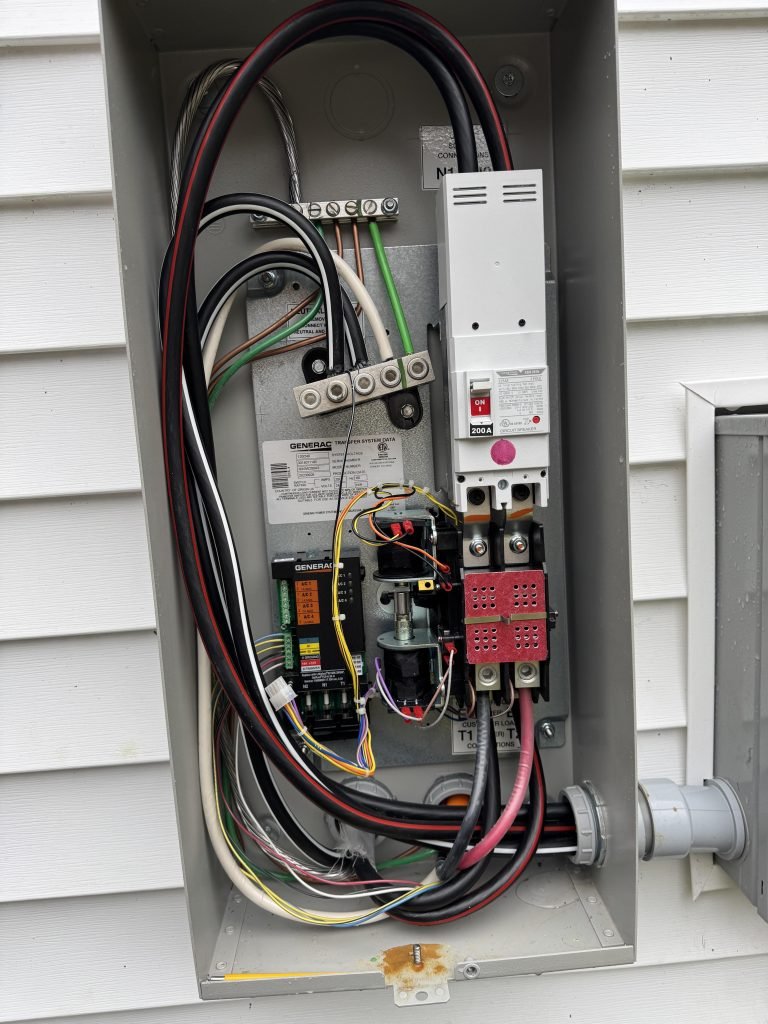
Connecting the transfer switchto the main power panel must be done carefully. Turn off the main breaker to avoid shocks. Use wires that match the switch’s specifications. Connect the input terminals of the transfer switch to the main power lines. Secure all connections tightly to prevent loose contacts. Check local codes for wire sizes and safety rules.
Wiring the generator circuitrequires linking the transfer switch to the generator output. Use the right gauge wire for the generator’s power rating. Connect the generator’s output terminals to the transfer switch’s generator input. Make sure the connections are firm and insulated. Test the generator circuit by running the generator and switching power through the transfer switch.
Grounding the systemis vital for safety. Connect a grounding wire from the transfer switch to a proper earth ground. Also, ground the generator frame using a suitable grounding rod. This helps avoid electrical shocks and damage. Use grounding clamps and follow local electrical codes strictly.

Credit: forumelectrical.com
Testing The Setup
Powering on the generatormeans starting it safely. Make sure the fuel is enough. Turn the key or switch to start the generator. Listen for steady engine sounds. Check for any unusual noises or smoke.
Switching power sourceslets the transfer switch change from main power to generator power. This should happen smoothly and quickly. Watch the switch move without sparks or delays. The house or building should get power from the generator now.
Verifying transfer switch operationmeans checking if the switch works right. Turn off the generator and see if power goes back to the main source. Turn the generator on again and check if the switch moves back. Test several times to be sure everything is safe and working well.
Troubleshooting Common Issues
No Power Transfercan happen if the transfer switch is not wired correctly. Check all connections for tightness and proper placement. Verify the circuit breakers are on and not tripped. The control panel may have a fault; inspect for error codes or warning lights. Sometimes, the transfer switch relay might be stuck or damaged, requiring replacement.
Generator Fails to Startoften results from low fuel, dead battery, or faulty starter motor. Ensure the fuel tank is full and fuel valves are open. Test the battery voltage and charge or replace if weak. Listen for clicking sounds which may indicate starter issues. Also, check the generator’s control panel for error codes or locked conditions.
Switch Does Not Return to Utility Powerafter the generator stops can be due to delay settings or power quality issues. Check the automatic transfer switch delay timer settings; adjust if necessary. Confirm utility power is stable and within normal voltage range. The transfer switch might need a reset or manual override to switch back to utility power.
Credit: www.electriciantalk.com
Maintenance Tips
Regular inspection helps catch problems early. Check for loose wires and burnt marks. Test the automatic transfer switch (ATS) to ensure it shifts power smoothly.
Cleaning and lubrication keep parts working well. Remove dust and dirt from the ATS. Use lubricant on moving parts to stop rust and wear.
Updating components extends the switch’s life. Replace old fuses, relays, or contacts. Keep firmware updated if the ATS has smart features.
Frequently Asked Questions
What Is An Automatic Transfer Switch For Generators?
An automatic transfer switch (ATS) safely switches power from the utility to the generator. It prevents backfeeding and ensures seamless power transfer during outages.
How Do I Wire An Automatic Transfer Switch?
Wiring involves connecting the ATS to the main power source, generator, and load panel. Follow manufacturer instructions carefully and turn off all power before starting.
Can I Wire A Standby Generator Ats Myself?
Yes, if you have electrical knowledge and follow safety codes. However, hiring a licensed electrician is recommended for compliance and safety.
What Tools Are Needed To Wire An Ats?
Common tools include wire strippers, screwdrivers, voltage tester, and pliers. A multimeter helps verify connections for safe, accurate wiring.
Conclusion
Wiring a standby generator automatic transfer switch takes care and attention. Follow each step slowly and check all connections twice. Safety matters most—always turn off power before starting. This setup helps keep your home powered during outages. A correctly wired switch makes the transfer smooth and quick.
Remember to test the system after installation to ensure it works well. Taking these steps can save you from power worries in emergencies. Simple, safe, and reliable power backup is within your reach.