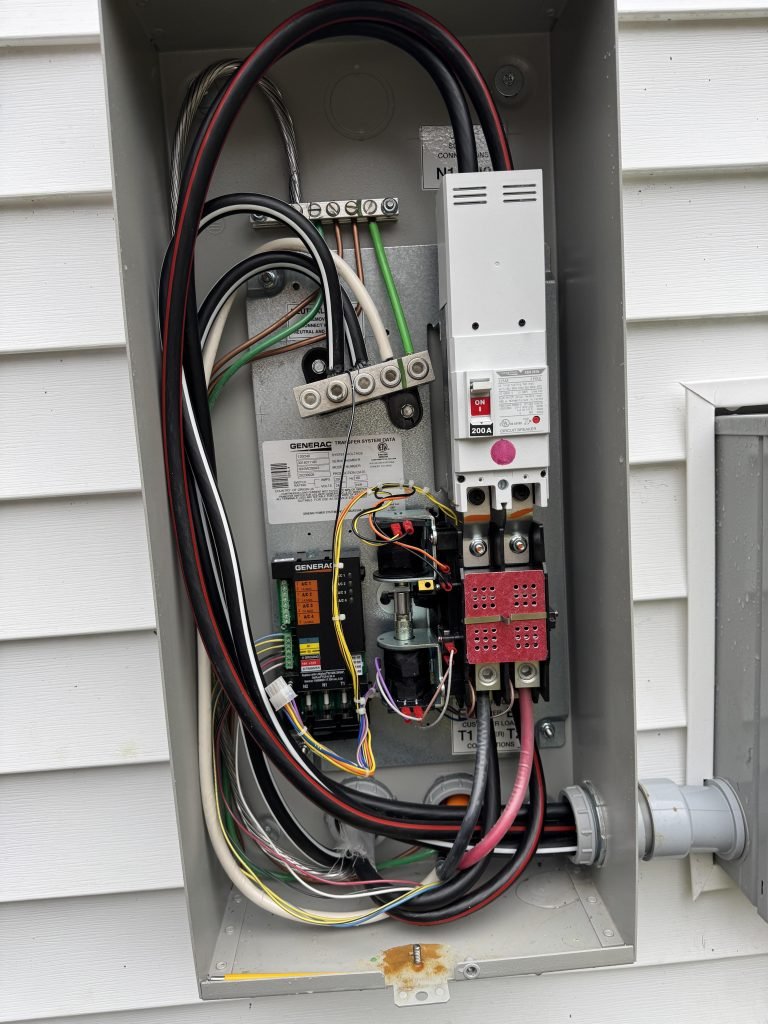
Imagine the peace of mind you’ll feel knowing your home is protected during a power outage. A standby generator transfer switch is the key to seamless, uninterrupted electricity.
But how do you wire it? That’s where this guide comes in. You’re about to discover the straightforward steps to wire a standby generator transfer switch yourself. This task might seem daunting, but with the right guidance, you can handle it safely and efficiently.
By the end of this article, you’ll know exactly what you need to do, and you’ll feel empowered to take control of your home’s power needs. Let’s dive in and ensure you’re never left in the dark again.
Credit: www.electriciantalk.com
Choosing The Right Transfer Switch
Manual transfer switchesneed you to flip a switch to start the generator. Automatic switcheswork by themselves during power outages. They are easier but cost more. Choose based on your budget and how often you need power backup.
Check the amp ratingon the switch. It must match or be higher than your generator’s output. Using the wrong amp rating can cause damage or fail during power loss.
Look for switches with safety certifications. Certifications like UL or CSA mean the switch meets safety rules. This protects your home and keeps the wiring safe.

Credit: www.reddit.com
Gathering Necessary Tools And Materials
Gathering the right tools and materialsis crucial for wiring a transfer switch.
Essential toolsinclude:
- Screwdrivers (flathead and Phillips)
- Wire strippers
- Voltage tester
- Drill with bits
- Adjustable wrench
- Electrical tape
Required materialsoften include:
- Transfer switch kit
- Appropriate gauge wire
- Conduit and connectors
- Mounting hardware
- Circuit breakers (if not included)
Using proper safety gearis very important. Wear:
- Insulated gloves
- Safety glasses
- Long-sleeve clothing
- Non-conductive footwear
This gear helps protect from electric shock and injuries.
Preparing The Installation Site
Find the main electrical panelfirst. It is usually near the electric meter or in a utility room. This panel controls power for the whole house.
Keep the area clear. Make sure there is enough spacearound the panel and transfer switch for easy access. This makes installation safer and simpler.
- Keep at least 3 feet of clearance in front of the panel.
- Remove any clutter or obstacles nearby.
- Ensure good lighting in the workspace.
Turn off the power at the main breaker. This step is very importantto avoid electric shock. Use a voltage tester to confirm the power is off before starting.

Credit: www.duthiepower.com
Mounting The Transfer Switch
Choose a dry, accessible, and visible spotfor the transfer switch. It should be near the main electrical panel. Avoid places with direct sunlight, moisture, or dust. Keep it away from heat sources and water pipes.
Use strong screws or bolts to secure the switchfirmly on the wall. Make sure it sits flat and stableto avoid vibrations. Tighten all fasteners to prevent movement over time.
- Label all wires and terminalsclearly. Use durable tags or markers.
- Mark the input and output connectionsto avoid confusion.
- Include warnings or notes for safety and operation.
- Keep labels easy to read and waterproof if possible.
Wiring The Transfer Switch To The Generator
Locate the generator terminals clearly marked on the unit. Usually, there are two power terminalsand a ground terminal. Check the generator manual for exact locations and labels. This helps avoid wrong connections that could cause damage.
Use properly rated power cablesto connect the generator to the transfer switch. The cables must match the generator’s output capacity and the switch’s input requirements. Ensure the cables are long enough but not too loose to prevent tripping hazards.
- Strip the cable ends to expose the wires.
- Attach cables firmly to the correct terminals.
- Match colors of wires to terminal labels for safety.
Tighten all connections securely. Loose connections can cause sparks or power loss. Use a wrench or screwdriver for a snug fit but avoid over-tightening to prevent damage to terminals.
Double-check each connection before powering the system. A secure connection ensures safe and reliablegenerator operation.
Connecting The Transfer Switch To The Main Panel
Run the wiring carefully from the transfer switch to the main panel. Use wires that match the switch’s specifications for safety. Keep wires organized and avoid sharp bends.
Connect the circuit breakers in the main panel to the transfer switch. Match each breaker to the proper circuit to prevent overloads. Secure the breakers tightly to avoid loose connections.
Double-check all connections before powering the system. Make sure wires are tight and no bare wires are exposed. Confirm the transfer switch matches the panel’s voltage and amperage ratings.
Testing The Transfer Switch
Verifying power transfermeans checking if the generator switch moves power from the main line to the generator. Turn off the main power. Turn on the generator. Check if power goes to your home or building. Use a voltage tester for safety. Make sure the transfer switch moves power smoothly and without delay.
Simulating power outagehelps test the transfer switch safely. Turn off the main breaker or unplug the main power source. Watch if the transfer switch activates the generator power. The switch should flip to generator power automatically. After a few minutes, turn the main power back on. The switch should return to normal power without problems.
Troubleshooting common issuescan save time and money. Check these points:
- Ensure the transfer switch wires are tight and connected.
- Look for blown fuses or tripped breakers.
- Check if the generator starts properly.
- Listen for unusual sounds from the switch or generator.
- Test the control panel for error messages.
Safety Tips And Best Practices
Avoiding electrical hazardsis key to safe wiring. Always turn off power before starting work. Use insulated tools and wear protective gloves. Keep the area dry to prevent shocks. Never touch wires with wet hands. Double-check connections to avoid loose wires. Avoid overloading circuits to reduce fire risks.
Following local codesensures compliance and safety. Check with your local building department for rules. Use approved materials and equipment. Proper permits might be needed. Following codes helps prevent accidents and fines.
When to call a professionalis important. Complex wiring or unclear instructions mean it’s time to get help. Licensed electricians have the skills and tools. They ensure the job is safe and done right. Don’t risk injury or damage by trying beyond your skills.
Frequently Asked Questions
What Is A Standby Generator Transfer Switch?
A standby generator transfer switch safely connects your generator to your home’s electrical system. It prevents backfeeding and power surges, ensuring safe and seamless power transfer during outages.
How Do You Wire A Transfer Switch To A Generator?
To wire, first turn off the main power. Connect generator wires to the transfer switch terminals. Follow manufacturer instructions for proper wiring and grounding to ensure safety and compliance.
Can I Install A Transfer Switch Myself?
Yes, but only if you have electrical experience. Improper installation risks safety hazards and code violations. Hiring a licensed electrician is recommended for safe, code-compliant installation.
Why Is Grounding Important For Transfer Switches?
Grounding prevents electrical shocks and equipment damage. It safely directs stray electricity to the earth, protecting both your home and generator during operation.
Conclusion
Wiring a standby generator transfer switch keeps your home powered safely. Follow the steps carefully and double-check all connections. Use proper tools and safety gear throughout the process. Consult an electrician if you feel unsure at any point. A well-wired transfer switch helps prevent power issues and protects your generator.
Taking time to do it right saves headaches later. Stay safe and enjoy reliable power when you need it most.