When the power goes out, a standby generator can keep your home running smoothly. But to make sure it works right when you need it, you have to wire it correctly.
If you’re unsure how to do this, don’t worry — this guide will walk you through every step. By the end, you’ll feel confident about connecting your generator safely and efficiently. Ready to keep your lights on no matter what?
Let’s dive in.
Choosing The Right Generator
Choosing the right standby generator depends on understanding the types available, size needed, and fuel options. There are two main typesof standby generators: air-cooledand liquid-cooled. Air-cooled models are smaller and less expensive. Liquid-cooled ones are larger and better for heavy use.
Sizing your generator is key. It must handle the total wattageof all devices you want to power. Add up the running wattsand starting wattsof appliances. A generator with too low power will not work well. Too large can be costly.
| Fuel Type | Pros | Cons |
|---|---|---|
| Natural Gas | Clean, always available if connected | Needs gas line, less portable |
| Propane | Long shelf life, portable | Storage tanks needed, cost varies |
| Diesel | Powerful, efficient for large generators | Can be noisy, needs fuel storage |

Credit: www.reddit.com
Safety Precautions
Turn off the main powerbefore starting any wiring work. This stops electricity flow and keeps you safe. Check twice that power is off.
Use proper toolsmade for electrical work. Insulated screwdrivers, wire strippers, and voltage testers are important. Avoid using damaged tools.
Follow local electrical codes. These rules keep wiring safe and legal. Check with local authorities or hire a licensed electrician if unsure.
- Double-check power is off before touching wires
- Use tools with insulated handles
- Wear safety glasses and gloves
- Read the generator manual fully
- Respect all local safety and wiring codes
Gathering Materials And Tools
To wire a standby generator, gather essential wiring components. These include a transfer switch, circuit breakers, and proper gauge wires. The transfer switch helps safely switch power from the utility to the generator. Circuit breakers protect your home’s electrical system from damage. Use wires that match the generator’s power output. Copper wires are often best for durability and safety.
Tools needed for installation:
- Voltage testerto check power flow
- Wire strippersto prepare cables
- Screwdriversfor securing connections
- Drillfor mounting the transfer switch
- Wrenchto tighten bolts
- Electrical tapefor insulation
Preparing The Installation Site
Choose a flat, dry area near your home’s main electrical panel for the generator. Avoid places with heavy dust, dirt, or water. Ensure the location is well ventilated to prevent buildup of exhaust fumes.
Keep the generator at least 5 feet away from windows, doors, and vents for safety. The area should be easy to access for maintenance and refueling. Make sure local codes and permits allow the chosen location.
- Install the transfer switch close to the main panel.
- The switch must be easily reachable for quick operation.
- Follow the manufacturer’s instructions for wiring and mounting.
- Turn off power before working on the switch to avoid shocks.
- Use proper tools and safety gear during installation.
Wiring The Transfer Switch
Connect the transfer switch to the main electrical panel carefully. Turn off the main power before starting work. Use wires rated for your system’s amperage. Attach the transfer switch’s main input wires to the panel’s circuit breakers. Ensure all connections are tight and secure. Check the panel’s neutral and ground bars for proper bonding.
Wiring circuits to the transfer switch requires matching each circuit to its breaker. Label each wire clearly. Use color-coded wiring: black or red for hot wires, white for neutral, and green or bare for ground. Keep wires organized to avoid confusion. Secure wires inside the switch with clamps or ties. Double-check all connections for safety and accuracy.
Connecting The Generator
Connecting the generator to the transfer switch is key for safe operation. The transfer switch controls power flow from the generator to your home’s electrical system. This connection prevents electricity from going back to the grid, protecting utility workers.
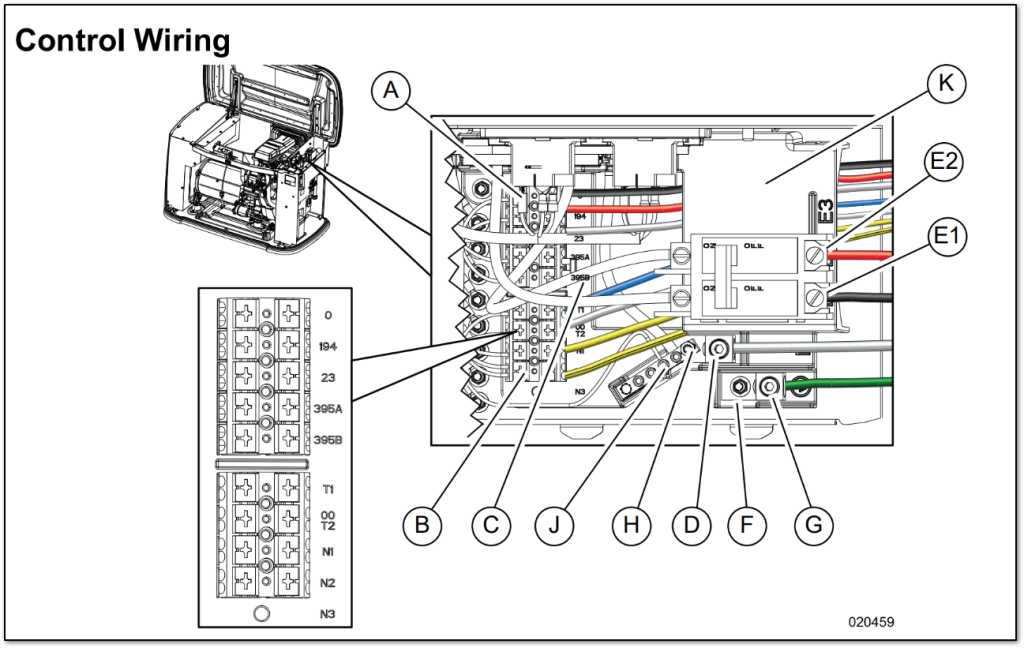
Use wires rated for the generator’s output. Connect the generator wires to the transfer switch terminals carefully. Tighten all connections to avoid loose contacts. Follow the manufacturer’s wiring diagram for accuracy.
Grounding the generator is very important. It prevents electric shocks and damage. Attach a grounding wire from the generator frame to a grounding rod driven into the earth. Ensure the connection is secure and meets local codes.
| Task | Details |
|---|---|
| Wiring to Transfer Switch | Use correct wire size; follow wiring diagram; tighten connections |
| Grounding | Connect generator frame to grounding rod; secure connection; meet local codes |
Testing The System
Start by turning on the generator’s main power switch. Wait for the generator to reach its normal running speed. Check all indicator lights to ensure they show normal operation.
Next, simulate a power outage by turning off the main electrical panel breaker. The generator should sense the outage and start automatically. Listen carefully for the engine sound and watch the control panel for status updates.
- Confirm the generator powers the home circuits properly.
- Check voltage levels with a multimeter to avoid overload.
- Ensure the transfer switch moves power source smoothly.
After testing, reset the main breaker to restore grid power. The generator should shut down automatically once grid power returns. This process verifies the standby system works correctly and safely.
Troubleshooting Common Issues
No Power Transferoften happens if the transfer switch is faulty or not wired correctly. Check all connections and the switch position. Make sure the main power is off before testing.
Generator Not Startingmay result from low fuel or a dead battery. Check the fuel level and battery charge. Also, inspect the oil level and air filter for cleanliness.
Circuit Breaker Tripsusually mean an overload or short circuit. Check if the generator is powering too many devices. Inspect wiring for damage or loose connections.
Maintenance Tips
Regular inspection keeps your standby generator running smoothly. Check all connections for tightness and look for any signs of wear or damage. Clean the generator exterior to avoid dust buildup. Make sure vents are clear to prevent overheating.
Battery health is vital. Test the battery voltage monthly and clean any corrosion on terminals. Replace the battery every 2-3 years or as needed to ensure reliable starting.
Fuel quality affects generator performance. Use fresh fuel and avoid old or contaminated supplies. Inspect fuel lines for cracks or leaks. Drain and replace fuel if the generator has been idle for a long time.
Credit: www.diychatroom.com

Credit: www.reddit.com
Frequently Asked Questions
What Tools Are Needed To Wire A Standby Generator?
You need wire strippers, screwdrivers, voltage tester, conduit bender, and pliers. Safety gear like gloves and goggles is essential. Ensure all tools meet electrical standards for safe wiring.
How Do You Connect A Standby Generator To A Transfer Switch?
Turn off main power first. Connect generator wires to the transfer switch terminals. Follow the manufacturer’s wiring diagram precisely for safe and effective connection.
Can I Wire A Standby Generator Myself Safely?
Yes, if you have electrical knowledge and follow local codes. Always turn off power before starting. If unsure, consult a licensed electrician to avoid hazards.
What Wire Gauge Is Required For Standby Generator Wiring?
Wire gauge depends on generator size and distance. Typically, 6 to 10 gauge wire is used. Refer to the generator manual and local electrical codes for exact specifications.
Conclusion
Wiring a standby generator can seem daunting. Follow the steps carefully. Safety should always be your priority. Double-check connections to prevent any mishaps. Consult a professional if you’re unsure. It ensures your home stays powered during outages. Proper installation boosts generator efficiency.
Regular maintenance keeps it running smoothly. With these tips, your standby generator will serve you well. Stay prepared and enjoy uninterrupted power. Always prioritize safety and accuracy in wiring tasks.