Are you considering installing a Generac standby generator to keep your home powered during unexpected outages? If so, you’re making a smart move towards ensuring your family’s comfort and safety.
But before you can enjoy the peace of mind a generator provides, there’s an essential step you need to tackle: wiring it correctly. Don’t worry—you’re not alone in this. Wiring an electrical generator may seem daunting, but with the right guidance, you can handle it smoothly and safely.
In this guide, we will walk you through the step-by-step process, ensuring that you have the confidence and knowledge to wire your Generac standby generator effectively. Ready to take control and power up your home when it matters most? Let’s dive in.

Credit: www.reddit.com
Preparing For Installation
Gather all the necessary tools and materialsbefore starting the wiring process. This includes wire strippers, screwdrivers, electrical tape, and a voltage tester. Check the generator manualfor any specific items needed.
Review safety precautionscarefully. Always turn off powerat the main breaker before working. Wear protective gearlike gloves and safety glasses. Avoid working in wet conditions to reduce shock risk.
Understand your area’s local electrical codes. These rules help keep installations safe and legal. Contact your local building department for guidance. Following these codes is crucialto prevent fines and hazards.
Selecting The Right Location
Choosing the right site for your Generac generator is crucial. Pick a flat, stable spot that stays dry. Avoid places near windows or doors to keep exhaust fumes away. The area should be easy to reach for maintenance.
Proper ventilation is key for safety and performance. Make sure air can flow freely around the generator. Clear any plants, debris, or items that block airflow. Good ventilation prevents overheating and helps the engine run smoothly.
Maintain clearance around the generator for safety. Keep at least 2 feet of space on all sides. This space helps with cooling and lets technicians work comfortably. Follow local codes for exact clearance rules.
Shutting Off Power
Shut off the main breaker to stop power flow to your home. This step is essential for safetybefore wiring the generator. The main breaker is usually found in the electrical panel. Flip it to the “off” position carefully.
Next, verify power is disconnected. Use a voltage testeror a multimeterto check if power is off. Test all the wires in the panel. No reading means power is successfully cut off. This prevents any electric shock while working.
Mounting The Generator
Place the generator on a flat, stable surface. Make sure it is close to your home and fuel source.
Keep the unit away from windows and doors to avoid exhaust entering your home. Allow enough space for air flow around the generator.
- Use a concrete pad or a sturdy base to support the generator.
- Secure the base with anchor bolts to prevent movement.
- Check that the base is level to avoid vibrations.
- Ensure the generator is firmly attached to the base for safety.
Running Electrical Conduits
Plan conduit pathways carefully to avoid obstacles and sharp bends. Choose routes that keep wiring safe from water, heat, or physical damage. Measure distances to buy the right length of conduit.
Use rigid or flexible conduits based on your installation needs. Secure conduits with clamps every 3 to 4 feet for stability. Leave extra space inside conduits for easy wire pulling.
- Turn off power before starting any wiring work.
- Run wires through conduits smoothly without forcing.
- Use wire lubricant if wires are hard to pull.
- Connect conduit sections with proper fittings to prevent gaps.
- Seal conduit ends to keep moisture and debris out.
Connecting To Transfer Switch
The transfer switchis usually near your main electrical panel. It might be inside or outside your home. Look for a metal box with a door. This box controls power flow between your generator and the house.
Check for labels or markings on the box. These help identify the transfer switch. Make sure the switch matches your generator model for safety. Turn off power before starting any work.
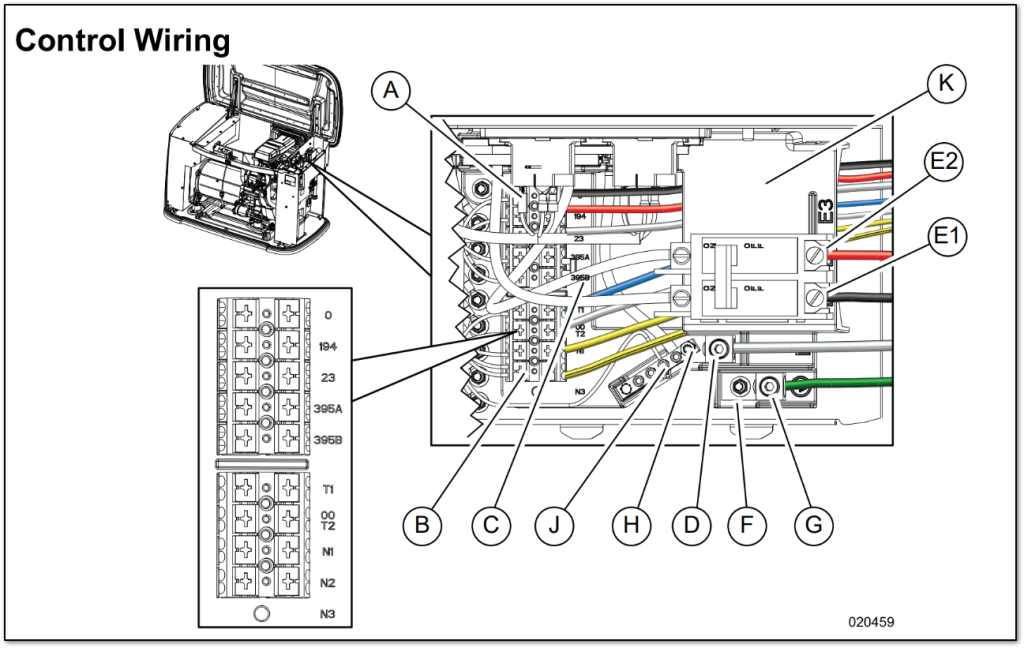
Wiring the generator to the transfer switch involves connecting the generator output wiresto the switch terminals. Use the correct wire size based on your generator’s power rating. Secure all connections tightly to avoid loose contacts.
- Use a ground wireto connect the generator frame to the grounding bar.
- Match wire colors: black or red for hot wires, white for neutral, and green or bare for ground.
- Check all connections for tightness before turning power on.
Grounding The Generator
Install a grounding rodat least 8 feet long into the earth. Choose a spot close to the generator. Use a hammer or sledge to drive the rod fully into the ground for a strong connection.
Connect the ground wirefrom the generator to the grounding rod. Use a clamp made for grounding to secure the wire tightly. Make sure the connection is firm and cleanto prevent faults.
- Use copper wire for better conductivity.
- Check the wire size matches generator requirements.
- Ensure all connections are tight and free of rust.
- Follow local electrical codes for safety.

Credit: www.youtube.com
Testing The Electrical Connections
Start by turning on the generator and main power supply. Check that all wires are tightly connected to the right terminals. Use a voltage tester to see if power flows correctly.
Test each circuit by switching on appliances one by one. Watch for any sparks or unusual sounds. If the generator does not start, check the battery and fuel levels first.
- Ensure the transfer switch is in the correct position.
- Look for any loose or damaged wires.
- Check circuit breakers and fuses for trips or faults.
- Listen for strange noises from the generator motor.
- Verify the voltage output matches your home’s needs.
Fix simple problems like tightening wires or replacing fuses. For complex issues, call a licensed electrician to avoid danger.
Final Safety Checks
Carefully check all wire connections. Make sure no wires are loose or damaged. Tighten any screws holding the wires. Look for signs of wear or corrosion. Replace damaged parts immediately.
Confirm the wiring matches local electrical codes. Use a multimeterto test for proper voltage and grounding. Check the generator’s manual for specific wiring rules. Safety is the top priority.
| Safety Check | What to Do |
|---|---|
| Connections | Inspect all wires for tightness and damage |
| Voltage Test | Use a multimeter to verify correct voltage |
| Grounding | Ensure the generator is properly grounded |
| Code Compliance | Follow local electrical codes strictly |

Credit: www.reddit.com
Frequently Asked Questions
How Do I Safely Wire A Generac Standby Generator?
Turn off the main power before wiring. Use proper grounding and follow the generator’s wiring diagram. Ensure all connections are secure and comply with local electrical codes.
What Tools Are Needed To Wire A Generac Generator?
You need wire strippers, screwdrivers, pliers, voltage testers, and electrical tape. Also, use a conduit bender and appropriate wire connectors for safe installation.
Can I Wire A Generac Generator Myself?
Yes, if you have electrical knowledge and follow safety codes. Otherwise, hire a licensed electrician to avoid risks and ensure proper setup.
How Do I Connect The Transfer Switch To The Generator?
Connect the transfer switch input to the main panel and output to the generator. Follow the manufacturer’s wiring instructions carefully for correct operation.
Conclusion
Wiring a Generac standby generator is simpler than it seems. Follow each step carefully to ensure safety. Double-check all connections before powering the unit. Proper wiring helps keep your home protected during outages. Always use the right tools and materials for the job.
If unsure, ask a professional for help. Taking time now prevents problems later. Stay safe and enjoy reliable power when you need it most.