Imagine a sudden power outage hitting your home. The lights go out, the fridge stops working, and everything grinds to a halt.
But what if you could keep everything running smoothly, no matter what? Wiring a standby generator to your house gives you that power—and peace of mind. If you’re wondering how to connect a standby generator safely and effectively, you’re in the right place.
This guide will walk you through every step, making the process clear and manageable. Stick with me, and soon you’ll know exactly how to keep your home powered through any blackout.
Credit: shgeneratorset.com
Choosing The Right Generator
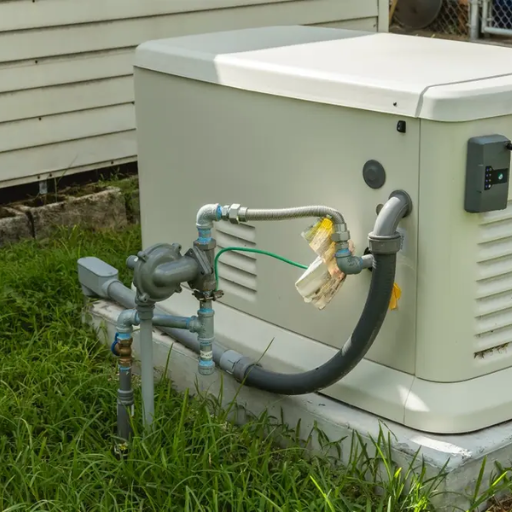
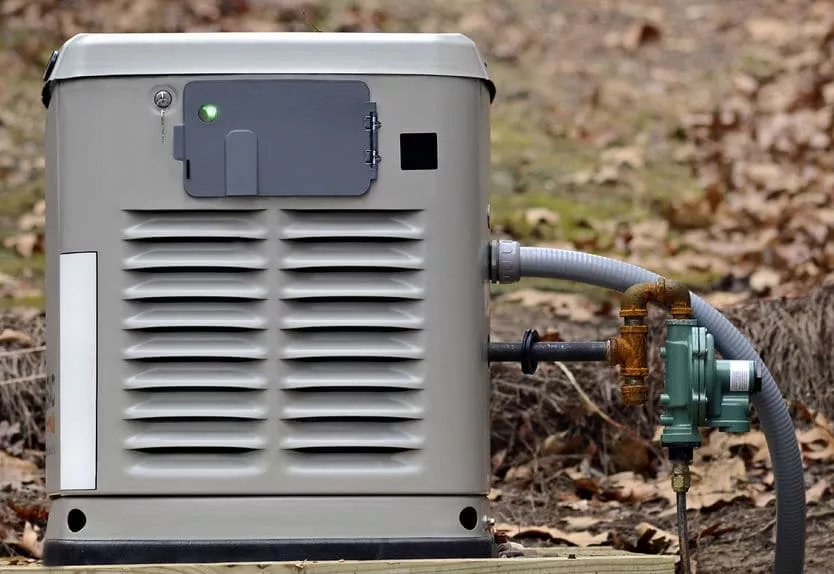
Choosing the right generatorensures your house stays powered safely. There are different types of standby generatorsto consider. Some run on natural gas, others use propane, and some rely on diesel. The choice depends on availability and cost.
Sizing your generatoris very important. It must provide enough power for essential appliances like the fridge, lights, and heating. Calculate the total wattage of devices you want to power during an outage. A generator that is too small will fail to run everything properly.
Fuel optionsaffect how long your generator runs and how easy it is to refill. Natural gas is often cheaper and comes from a steady supply. Propane tanks can be stored but may need refilling during long outages. Diesel is powerful but requires careful storage and handling.
Credit: canterpowersystems.com
Safety Precautions
Always turn off the main powerbefore starting any wiring work. This stops electric shocks and damage. Use a voltage testerto confirm no current flows in wires. Safety is key.
Wear insulated glovesand use tools designed for electrical work. These protect against shocks and help you work better. Avoid using damaged or worn tools.
Follow local electrical codesand rules strictly. These codes keep wiring safe and legal. Check with your local authority for the exact rules before starting.
Gathering Required Materials
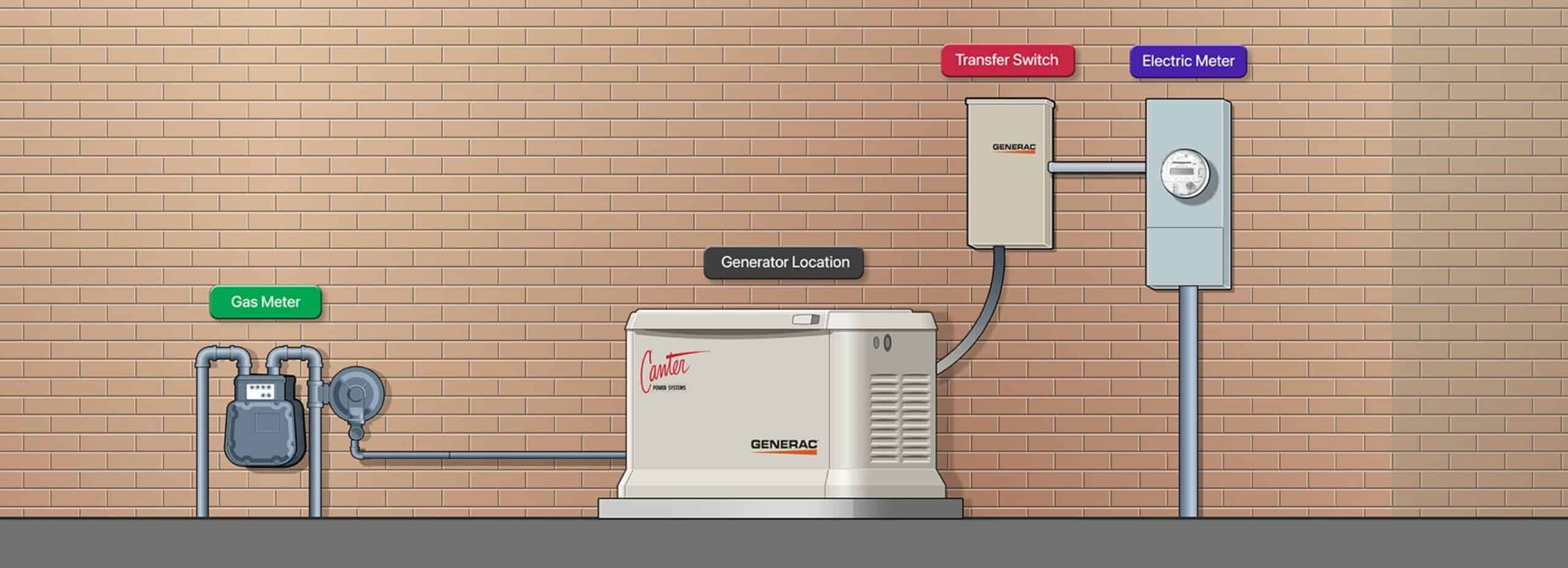
A standby generatorand a transfer switchare essential for backup power. The generator provides electricity during outages. The transfer switch safely connects the generator to your home’s wiring.
Use wiring and connectorsthat fit your generator’s power output. Wires must be thick enough to handle electricity safely. Connectors should be tight and rust-free to avoid problems.
Safety is key. Wear glovesand eye protectionto prevent injuries. Use a voltage testerto check wires before working. Keep a fire extinguishernearby just in case.
Installing The Transfer Switch
Locate the main electrical panel in your house. It is usually in the basement, garage, or utility room. The panel holds all circuit breakers and controls power to the home.
Mount the transfer switch near the main panel. Secure it properly to avoid movement or damage. Make sure it fits well and is easy to access for maintenance.
Connect the transfer switch to the circuit breakers. Link the wires carefully from the switch to each breaker that needs backup power. Use proper tools and check connections twice for safety.
Wiring The Generator
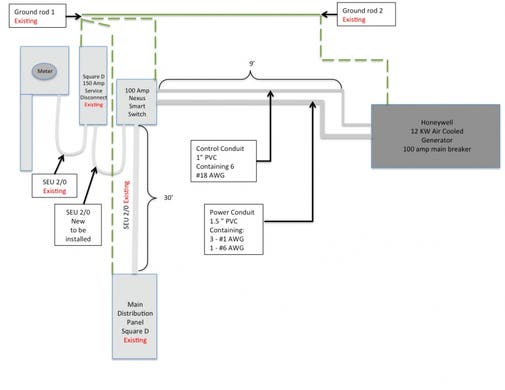
Connect the generator to a transfer switch. This switch safely controls power flow between the generator and house. It stops electricity from going back to the grid, protecting workers and equipment.
Use the correct wire gaugefor all connections. Wires that are too thin can overheatand cause fires. Check the generator’s manual for wire size recommendations. Match the wire size to the generator’s power output.
Secure all connections tightly. Loose connections can cause sparks or power loss. Use wire nuts or terminal blocks to keep wires in place. Double-check every connection before turning on the generator.
Credit: www.premium-electric.ca
Testing The Setup
Start the generatorby turning the key or pressing the button. Wait for it to run smoothly. Listen for steady engine sounds without strange noises.
Switch power sourcesby moving the transfer switch from utility to generator power. This sends electricity from the generator to your house circuits.
- Ensure lights and appliances work properly.
- Check if the generator powers all needed areas.
- Watch for any flickering or power loss.
Check for proper operationby monitoring the generator for at least 10 minutes. Look for stable voltage and current. Make sure the generator cools well and runs without stopping.
Maintenance Tips
Check your generator regularly for any signs of wear or damage. Look for leaks, loose connections, or corrosion. Keep the area around the generator clean and clear of debris. This helps the generator run smoothly and safely.
Store fuel in a cool, dry place away from direct sunlight. Replace stored fuel every six months to keep it fresh. Use fuel stabilizers to prevent the fuel from breaking down. Always follow safety rules when handling fuel.
| Service Type | Frequency | Details |
|---|---|---|
| Oil Change | Every 100 hours or yearly | Use recommended oil type for best performance |
| Air Filter Check | Every 200 hours or twice a year | Clean or replace to ensure proper airflow |
| Professional Inspection | Annually | Have a licensed technician check electrical and mechanical parts |
Frequently Asked Questions
How Do I Connect A Standby Generator To My House?
To connect a standby generator, install a transfer switch between the generator and main panel. This prevents backfeed and ensures safe power transfer during outages.
What Tools Are Needed To Wire A Standby Generator?
You’ll need a transfer switch, circuit breakers, wiring, conduit, wire strippers, screwdrivers, and a voltage tester for safe and proper installation.
Can I Wire A Standby Generator Myself Safely?
Wiring a standby generator requires electrical knowledge. Hiring a licensed electrician is recommended to ensure compliance with local codes and safety standards.
Where Should The Transfer Switch Be Installed?
Install the transfer switch near your main electrical panel. This location simplifies wiring and ensures quick power transfer during outages.
Conclusion
Completing a standby generator installation is a valuable skill. It ensures your home stays powered during outages. Always prioritize safety and follow guidelines carefully. Consult a professional if unsure about any step. This can prevent accidents and ensure reliable operation.
With the right tools and patience, wiring can be straightforward. Remember to test the generator after installation. Regular maintenance keeps it functioning well. Be prepared and stay powered in any situation. Your home will thank you for the effort.