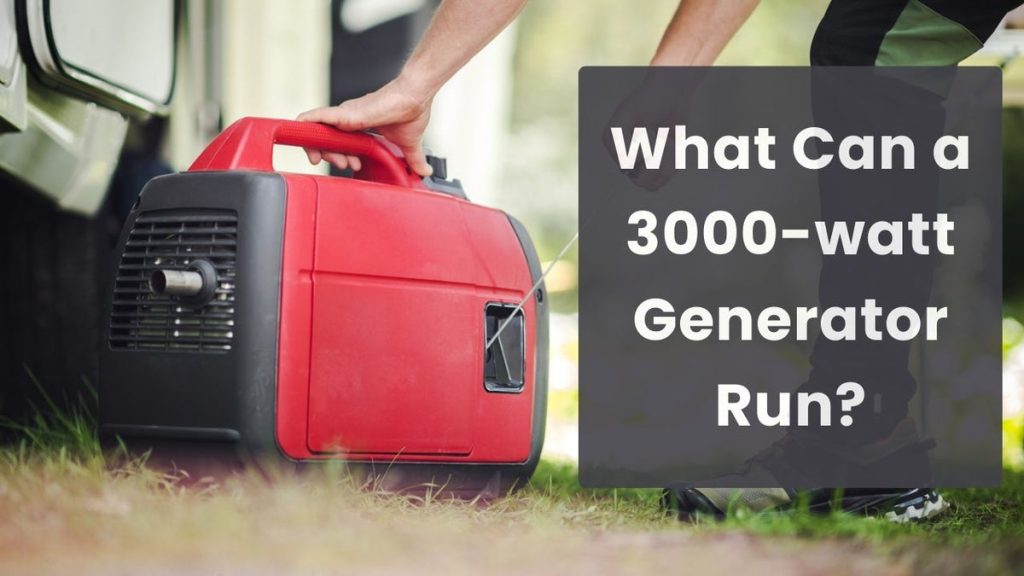
Are you considering a gas generator for your small house and wondering if 3000 watts will cut it? You’re not alone.
With power outages becoming more frequent, having a reliable backup is crucial. But is a 3000W gas generator enough to keep your essential appliances running? Imagine the comfort of knowing your lights, fridge, and essential devices will stay on, even during a storm.
Dive into this article to discover whether a 3000W generator can meet your needs, and gain peace of mind in choosing the right power solution for your home. You’ll find the answers you’re looking for, and maybe even a surprise or two about what this compact powerhouse can do.

Credit: www.jackery.com
Power Needs Of A Small House
Small houses use different appliances that need power. Common ones include:
- Refrigerator
- Lights
- Fans
- TV
- Microwave
- Laptop or computer
Each appliance has a power rating in watts. To find total wattage, add the watts of all devices you want to run at once.
| Appliance | Running Watts | Starting Watts |
|---|---|---|
| Refrigerator | 700 | 2200 |
| Microwave | 1000 | 1000 |
| LED Lights (5 bulbs) | 75 | 75 |
| Fan | 75 | 75 |
Starting watts are higher than running watts. Motors need extra power to start.
Make sure your generator can handle the total starting watts. Otherwise, it may not run all devices smoothly.
Credit: www.jackery.com
Capabilities Of A 3000w Gas Generator
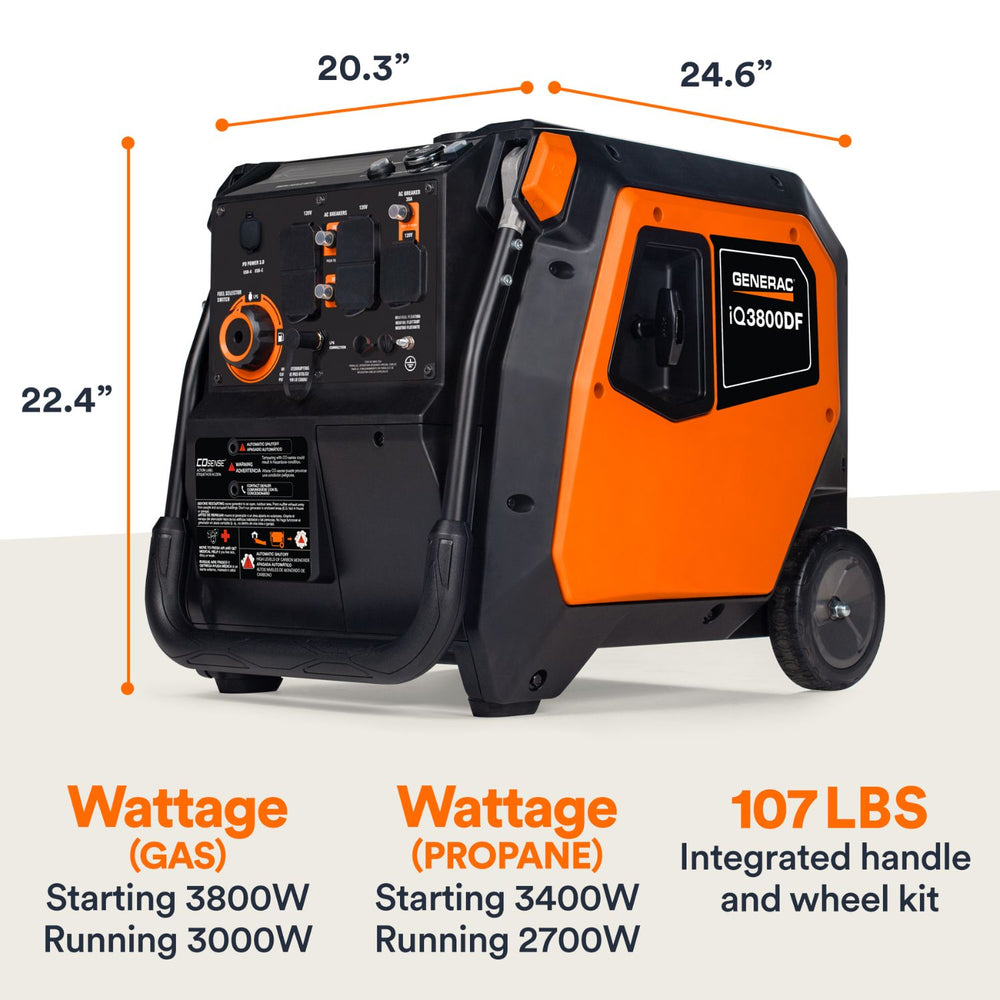
A 3000W gas generator can power many small house appliances. It provides a continuous power outputof about 3000 watts, enough for lights, fans, and small kitchen devices. This power level suits basic household needs during an outage.
The peak power handlingis usually higher, around 3500 to 4000 watts. This extra power helps start devices like refrigerators or pumps that need a surge at startup.
Fuel efficiency is important. A 3000W generator runs for several hours on one tank of gas, often between 6 to 10 hours depending on load. This means less refueling and more steady power during emergencies.
| Feature | Details |
|---|---|
| Continuous Power Output | About 3000 watts suitable for small appliances |
| Peak Power Handling | 3500-4000 watts for startup surges |
| Fuel Efficiency & Runtime | 6-10 hours per tank, varies with load |
Matching Generator To Household Needs
Essential loadsinclude refrigerators, lights, and fans. These keep your home safe and comfortable. Non-essential loadsare devices like TVs, gaming consoles, or extra heaters. They can wait during power shortages.
Prioritize power use by creating a list. Put essentials at the top. Turn off non-essential devices first. This helps the generator run longer and avoid overload.
Power surges can damage appliances. Use surge protectors to guard your devices. Start large appliances one at a time. This prevents sudden spikes in power draw and keeps the generator steady.
Credit: outboundpower.com
Generator Safety And Maintenance
Proper ventilationis key for safe generator use. Place the generator outdoors, away from doors and windows. This stops dangerous carbon monoxide buildup. Keep it on a flat, dry surface to avoid tipping. Avoid placing it near flammable materials.
Routine maintenance helps the generator last longer and work well. Check the oil level before each use. Clean or replace the air filter every few months. Tighten any loose bolts or screws. Store fuel in a safe container and away from heat.
Noise and emissions can disturb neighbors and the environment. Choose a generator with a low noise level, below 60 decibels if possible. Use a soundproof enclosure to reduce noise. Follow local rules about emissions and noise limits. This keeps your area safe and peaceful.
Alternatives And Supplementary Options
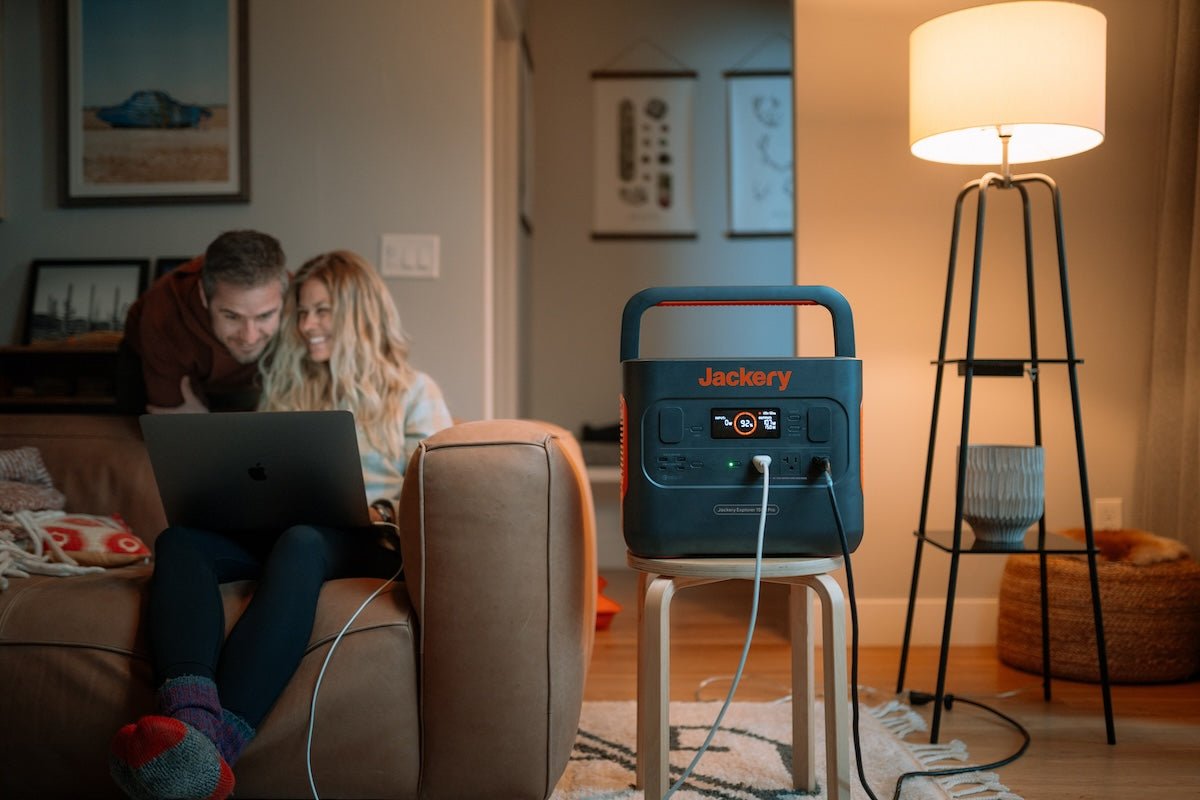
Battery backup systemsstore power for use during outages. They provide clean, quiet energy and work well with generators. These systems can power essential devices like lights and small appliances.
Solar and hybrid solutionsuse sunlight to create electricity. Solar panels can charge batteries or run devices directly. Hybrid systems combine solar power with generators for more reliability and less fuel use.
| Option | Benefits | Considerations |
|---|---|---|
| Battery Backup | Quiet, clean, stores energy | Limited power, needs charging |
| Solar & Hybrid | Renewable, low running cost | Initial cost, weather dependent |
| Higher Capacity Generators | More power, handles bigger loads | Louder, uses more fuel |
Choosing the right option depends on your power needs and budget. Combining these options can keep your home running smoothly.
Frequently Asked Questions
Is A 3000w Gas Generator Suitable For Small Houses?
A 3000W gas generator can power essential appliances in a small house. It handles lights, fans, and small kitchen devices effectively. However, it may not support high-wattage appliances simultaneously.
How Many Appliances Can A 3000w Generator Run?
A 3000W generator can run about 3 to 5 medium-sized appliances at once. It is ideal for basic needs like refrigerators, lights, and small electronics. Overloading it may cause power interruptions or damage.
Can A 3000w Generator Power Central Heating?
Most central heating systems require more than 3000 watts. A 3000W generator may not be sufficient for whole-house heating. Consider a higher wattage generator for reliable heating power during outages.
Is A 3000w Generator Fuel Efficient For Home Use?
A 3000W generator offers good fuel efficiency for small home use. It consumes less fuel compared to larger models. This makes it cost-effective and convenient for occasional power backup.
Conclusion
A 3000W gas generator can power most small homes during outages. It runs essential devices like lights, fridge, and fans smoothly. Check your home’s total power needs before buying. Don’t overload the generator; it can cause damage. Keep fuel and maintenance in mind for reliable use.
This size works well for short-term power backup. Choose a generator that fits your daily needs and budget. Simple, steady power makes life easier when electricity stops.