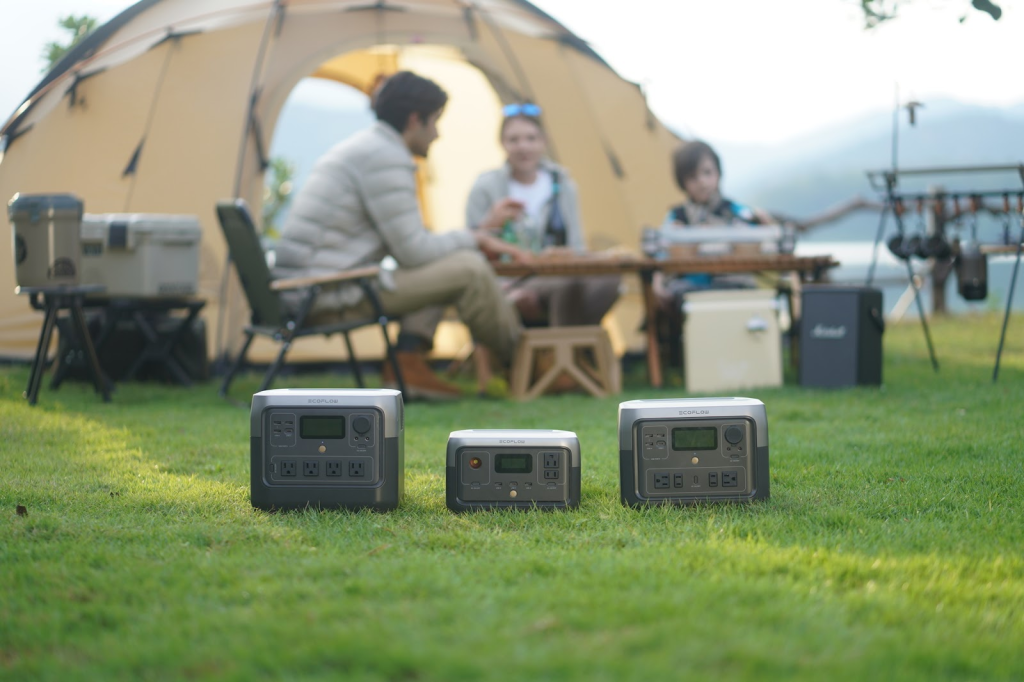
Are you wondering if a 1000W gas generator can power your camping trip? Choosing the right generator can make or break your outdoor experience.
Imagine sitting by the campfire, your phone charged, lights glowing, and your small appliances running smoothly—without any surprise blackouts. But is 1000 watts enough to keep everything going? You’ll discover what a 1000W gas generator can handle, its pros and cons, and how to decide if it fits your camping needs perfectly.
Keep reading to make sure your next adventure stays powered up and hassle-free.
Power Needs For Camping
Camping appliances need different amounts of power. A small fridge uses about 50-100 watts. LED lights need only 5-20 watts. Charging phones takes about 10-20 watts. A fan can use 40-60 watts.
Calculate total wattage by adding all devices’ running watts. Check each appliance label or manual for watt use.
| Appliance | Running Watts | Peak Watts |
|---|---|---|
| Small Fridge | 100 | 200 |
| LED Lights | 20 | 20 |
| Phone Charger | 20 | 20 |
| Fan | 60 | 120 |
Peak watts are the power needed to start devices. Running watts are what they need to run. A 1000W generator must handle peak watts total. Some appliances need extra power at start.

Credit: erayakpower.com
Capabilities Of A 1000w Generator
A 1000W gas generatorcan power small devices. It is good for camping needs.
- Lights and small fans
- Charging phones and tablets
- Small coolers or mini fridges
- Portable radios or speakers
It cannot run large appliances like microwaves or air conditioners. Be careful not to overload it.
| Limitation | Details |
|---|---|
| Power Limit | Only supports up to 1000 watts |
| Noise Level | Can be loud; check campsite rules |
| Weight | May be heavy to carry for long distances |
Fuel efficiency varies by brand and load. A 1000W generator usually runs 4 to 8 hours on one tank.
Smaller fuel tanks mean shorter runtime. Carry extra fuel if camping for many hours.
Choosing The Right Generator Size
Choosing the right generator size depends on your camping gear. Small devices like phones or lights need less power. Bigger items, like mini-fridges or electric grills, need more.
Think about the total wattageof all devices you want to run at once. A 1000W generator can handle basic needs but may struggle with high-power tools.
Portability is key. Smaller generators are easy to carry but give less power. Larger ones offer more power but are heavier and bulkier.
| Generator Size | Typical Use | Power Output (Watts) | Portability |
|---|---|---|---|
| Small | Phones, lights, small fans | 500 – 1500 | Very portable |
| Medium | Mini-fridge, TV, electric grill | 1500 – 3000 | Moderately portable |
| Large | Air conditioner, power tools | 3000+ | Less portable |
Safety Tips For Using Generators Outdoors
Proper ventilationis critical when using generators outdoors. Always place the generator in an open area, away from windows or doors. Never use it inside tents, cabins, or enclosed spaces to avoid deadly carbon monoxide buildup.
Noise considerationsmatter for a peaceful campsite. Choose a spot far from where people sleep or relax. Use noise-reducing covers or barriers to lower sound levels. Respect quiet hours and keep the volume low.
Handling fuel safelyprevents accidents. Store gasoline in approved containers, away from heat and flames. Turn off the generator and let it cool before refueling. Clean up any spilled fuel immediately to avoid fire risks.
Alternative Power Options For Camping
Solar generatorsuse sunlight to create power. They are quiet and safe for camping. You can charge them during the day and use the stored power at night. These generators are light and easy to carry but depend on good weather.
Battery packsare small and handy. They store electricity and can power small devices like phones and lights. Battery packs are quiet and clean. They work best for short trips or when you only need to charge a few gadgets.
Hybrid solutions combine solar panels with battery packs or gas generators. This mix helps keep power steady. You get the best of both worlds: the quiet and clean power of solar, plus the strong power of gas when needed.

Credit: www.jackery.com

Credit: www.campingworld.com
Frequently Asked Questions
Is A 1000w Gas Generator Suitable For Camping?
A 1000W gas generator is ideal for camping. It powers small appliances like lights, fans, and chargers efficiently. For larger devices, check your total wattage needs before use.
How Long Can A 1000w Generator Run On One Tank?
A 1000W generator typically runs 6 to 8 hours on a full tank. Runtime varies by fuel capacity and load. Always check specific model details for accurate information.
Can A 1000w Generator Power A Camper Fridge?
Yes, a 1000W generator can power most small camper fridges. Ensure the fridge’s starting wattage is within 1000W. This prevents overload and ensures smooth operation.
Is A 1000w Generator Quiet Enough For Camping?
Most 1000W generators are designed to be quiet, around 50-60 decibels. This noise level is suitable for camping without disturbing the peace. Check product specs for noise ratings.
Conclusion
Choosing a 1000W gas generator for camping depends on your needs. It’s compact, making it easy to carry. Suitable for powering small gadgets like phones and lights. For more power-hungry devices, it might struggle. Always check your gear’s power requirements first.
Consider the noise level; quieter models enhance camping peace. Evaluate fuel efficiency for longer trips. A 1000W generator can be a good fit for light campers. Perfect for those who enjoy basic comforts. Make sure it aligns with your camping style.
Enjoy your outdoor adventure with the right gear!