
Are you curious about solar generators and whether they’re just fancy batteries? You’re not alone.
With the rising popularity of renewable energy, many people are exploring solar generators as a sustainable power solution. But what exactly are they, and how do they differ from the regular batteries you’re used to? Understanding the nuances can empower you to make smarter energy choices for your home or travels.
Discover the true potential of solar generators and why they might just be the game-changer you’ve been looking for. Stay with us as we unravel this mystery and help you tap into a cleaner, more efficient energy source.
Solar Generator Basics
A solar generator is more than just a battery. It combines solar panels, a battery, and an inverter. This setup captures sunlight, stores energy, and powers devices.
Components Of A Solar Generator
A solar generator has three main parts. First, there’s the solar panel. It collects sunlight and makes electricity. Second, there’s the inverter. It changes the electricity to a form we can use. Lastly, there’s the battery. It keeps the electricity safe until we need it. Together, these parts work to give us power from the sun.
How Solar Generators Work
Solar panels catch sunlight and turn it into power. This power goes to the battery. The battery saves the power for later use. When we need electricity, the inverter helps out. It changes the stored power to a usable form. This lets us use the power for our devices. A solar generator is handy and uses clean energy.
Battery Versus Solar Generator
Batteries and solar generators store energy differently. Batteries hold energy for future use. They need external charging. Solar generators use the sun. They convert sunlight into electricity. This makes them eco-friendly. Batteries are portable. They are used in many devices. Solar generators are larger. They are ideal for outdoor use. They can power small devices or homes.
| Feature | Battery | Solar Generator |
|---|---|---|
| Energy Source | External Charge | Sunlight |
| Portability | Very Portable | Less Portable |
| Eco-Friendliness | Less Eco-Friendly | Eco-Friendly |
| Usage | Devices | Homes and Devices |
Benefits Of Solar Generators
Solar generators use the sun to make energy. This means less pollution. They do not harm the air like coal or gas. Using solar power helps keep our planet clean. Trees, animals, and people benefit from clean energy. It is a smart choice for our world.
Solar generators are very efficient. They turn sunlight into energy quickly. Over time, they save money on electricity bills. You only pay for the generator and setup. After that, sunlight is free. This makes solar power a cost-effective choice. Families can save money and use clean energy.
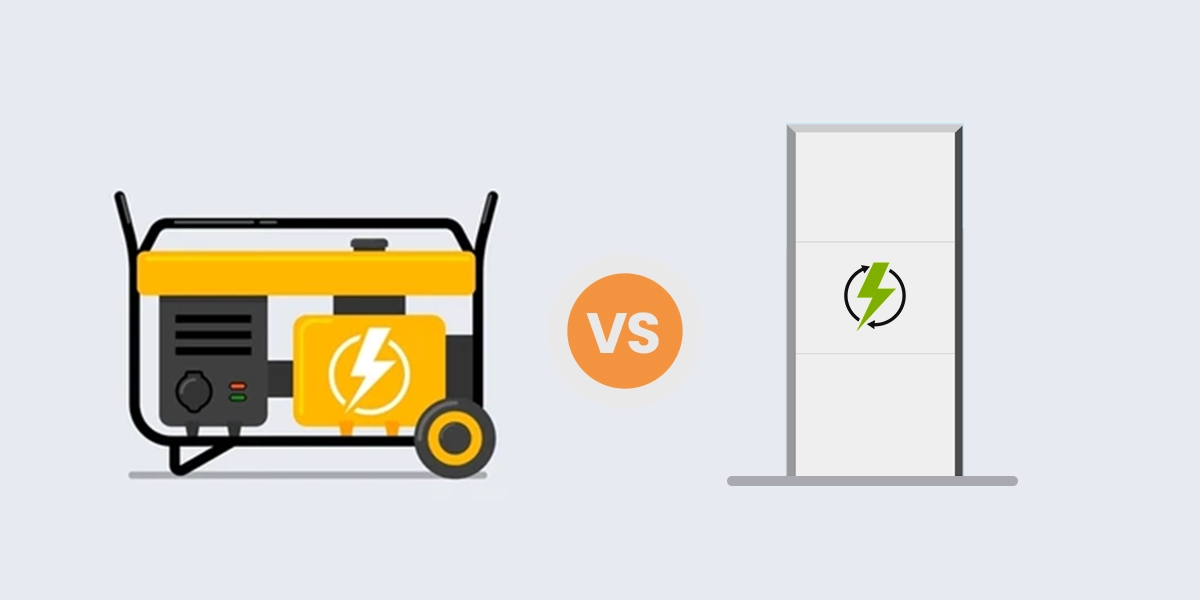
Credit: solarsme.com
Limitations Of Solar Generators
Solar generators, often seen as just batteries, have storage limits and depend on sunlight availability. They may not power large appliances continuously due to limited capacity and efficiency. Weather conditions can also affect their performance, reducing reliability in cloudy regions.
Energy Storage Challenges
Solar generators store energy in batteries. These batteries have a limited capacity. They can’t hold energy for many days. When the sun shines less, the generator might run out of power. Charging is slow on cloudy days. This limits how much energy you can save. You need more batteries for more power. But adding batteries is expensive.
Weather Dependency
Solar generators need sunlight to work. Cloudy days reduce energy production. Rain and storms can stop energy collection. In winter, the sun shines less. This means less energy. Solar power is not reliable every day. Weather affects how well the generator works. You may need another power source on bad days.
Applications Of Solar Generators
Solar generators help homes reduce electricity bills. They use sunlightto make power. This power can run lights, fans, and TVs. Solar generators are easy to install and maintain. They are also quiet and clean. This makes them great for home use. Families can save money by using free solar energy. They also help the planet by using less fossil fuel.
During power outages, solar generators can be lifesavers. They keep the lights on and food fresh in the fridge. They can charge phones and laptops too. Solar generators are portable, so they can be moved easily. No need to worry about gas for them. They use the sun to recharge. This means they are always ready to provide power when needed. This makes them a smart choice for emergencies.
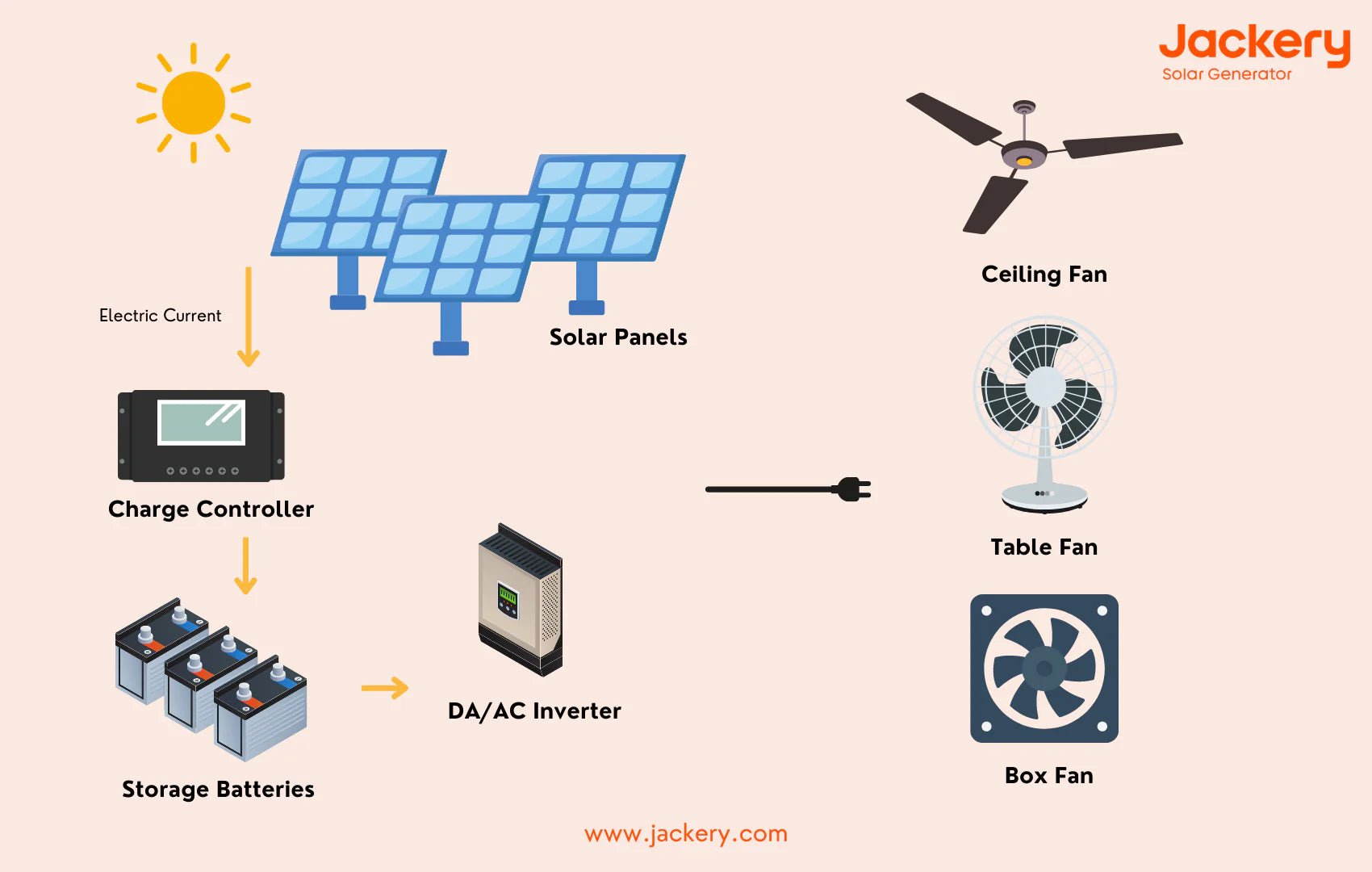
Credit: www.jackery.com
Future Of Solar Generators
Solar generators harness sunlight to produce power, unlike batteries that store energy. They offer eco-friendly energy solutions. Emerging technologies enhance their efficiency, making them vital for sustainable power needs.
Technological Advancements
Solar generatorsare becoming smarter. They use advanced technologyto store energy. New models are lighter and more portable. They charge faster and last longer. Some even use AIfor better efficiency. Smart systemsconnect to apps for easy monitoring. This helps users track energy usage.
Market Trends
The demand for solar generators is growing. More people want renewable energysources. Prices are slowly dropping, making them more affordable. Companies are investing in better designs. They focus on durabilityand performance. This attracts more buyers. Governments support solar energy with incentives. This boosts the market further. Solar generators are seen as a smart choice for clean energy.

Credit: www.bioliteenergy.com
Frequently Asked Questions
Are Solar Generators Just Batteries?
Solar generators are not just batteries. They include solar panels, inverters, and batteries. These components work together to capture, convert, and store solar energy for later use. Unlike standalone batteries, solar generators can continuously recharge using sunlight. They’re a comprehensive solution for clean energy storage.
What Are The Disadvantages Of A Solar Generator?
Solar generators often have high initial costs and limited energy storage capacity. Charging depends on sunlight availability, which can be inconsistent. They may not power high-demand appliances efficiently, and the setup can require significant space. Regular maintenance is needed to ensure optimal performance.
Can Solar Panels Generate Electricity Without A Battery?
Yes, solar panels can generate electricity without a battery. They convert sunlight directly into electricity. The energy can power devices or feed into the grid. Batteries are only needed for storing excess energy for later use. Without a battery, unused energy is lost if not consumed immediately.
How Long Can A Solar Generator Run Continuously?
A solar generator’s run time depends on battery capacity and power usage. It can run several hours to days. Efficient energy management extends duration, while high consumption shortens it. Check specific models for precise run times, considering solar panel input and battery health for optimal performance.
Conclusion
A solar generator is not just a battery. It combines solar panels, an inverter, and a battery. These components work together. They generate, convert, and store solar energy. This setup offers a sustainable power solution. Solar generators are portable and eco-friendly.
They are ideal for camping or emergencies. They reduce reliance on traditional power sources. Understanding this system helps you make informed choices. Consider your energy needs and usage. Choose a solar generator for cleaner energy. It’s a step toward a greener future.
Explore options and make a thoughtful decision.