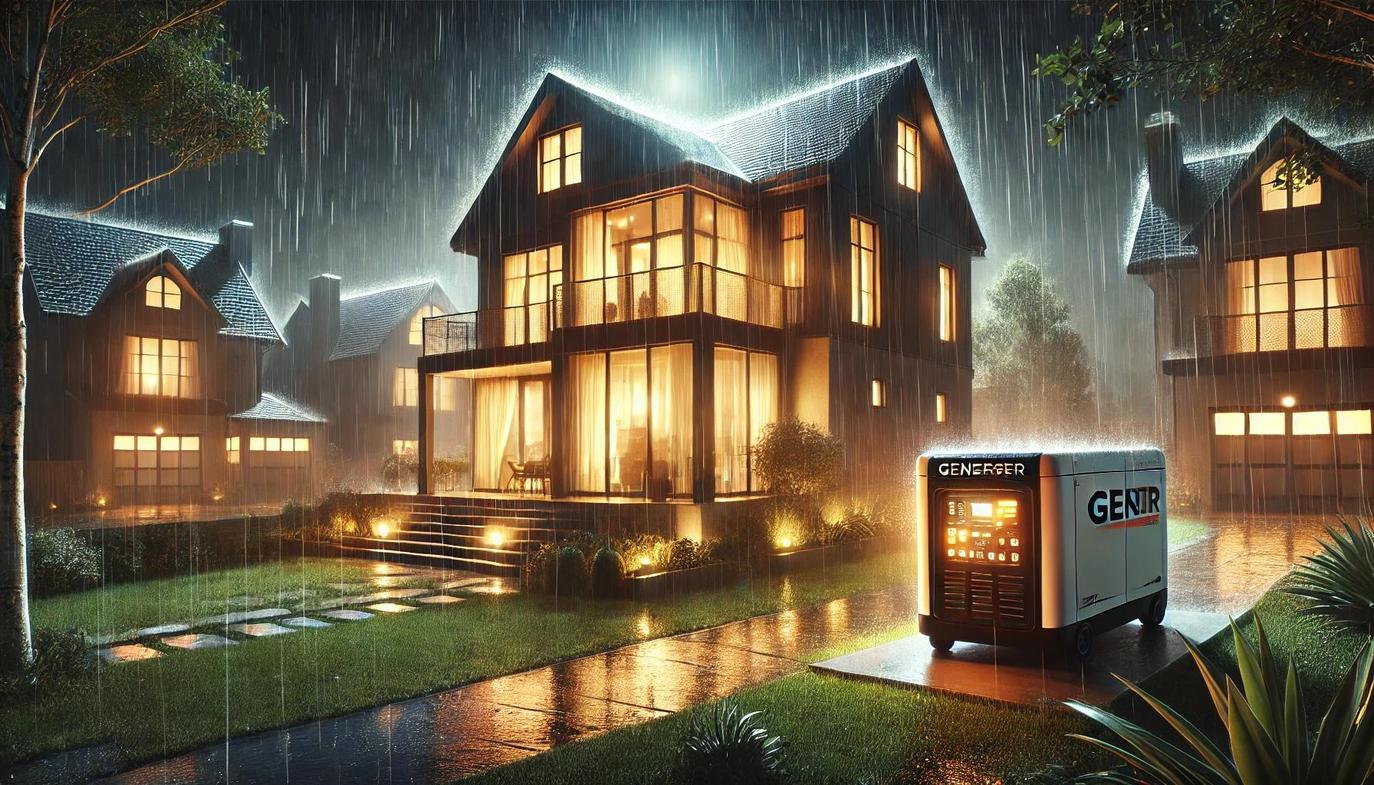
Imagine sitting comfortably in your living room when suddenly the lights go out. It’s pitch black, and you’re left wondering when the power will come back.
Sound familiar? Power outages are more common than we’d like, and they can disrupt your daily life in more ways than one. But what if you had a solution that keeps your home running smoothly, no matter what happens outside?
Enter the standby generator, a reliable backup that kicks in automatically when the power goes out. But is it worth the investment? You might be asking yourself if it’s just another expense or a smart move for your home. Stick around to uncover the true value of a standby generator and see why it could be the peace of mind you’ve been searching for.
Credit: www.intelligentliving.co
Why Choose A Standby Generator
A standby generator offers power reliabilityduring outages. It turns on automaticallywhen the main power goes out. This means no waiting or manual work to get power back.
Automatic operation helps keep your home running smoothly. It powers essential devices like refrigerators, lights, and heating. This prevents food spoilage and keeps your family safe.
Standby generators also protect home appliancesfrom damage caused by power surges. They provide steady power without sudden spikes. This can extend the life of your electronics and appliances.

Credit: lj-machine.com
Financial Advantages
Standby generatorscan boost property value. Homes with backup power are more appealing to buyers. This can lead to faster sales and better offers.
Power outages often cause lost incomeor extra expenses. A standby generator helps by reducing these costs. It keeps essential devices running, avoiding damage or spoilage.
- Many insurance companies offer discountsfor homes with standby generators.
- This lowers insurance premiums, saving money over time.
- It shows you take risk preventionseriously.
Health And Safety Benefits
Standby generatorskeep medical equipmentrunning during power outages. This is vital for people who use machines like oxygen concentrators or CPAP devices. Continuous power helps avoid health risks and keeps care steady.
Home security systems need power to protect your family. A standby generator ensures alarms, cameras, and sensors stay active. This helps you feel safe, even if the electricity goes out.
Food spoilage is a common problem in power outages. A standby generator keeps refrigerators and freezers working. This prevents food waste and saves money on groceries.

Credit: www.intelligentliving.co
Environmental And Practical Considerations
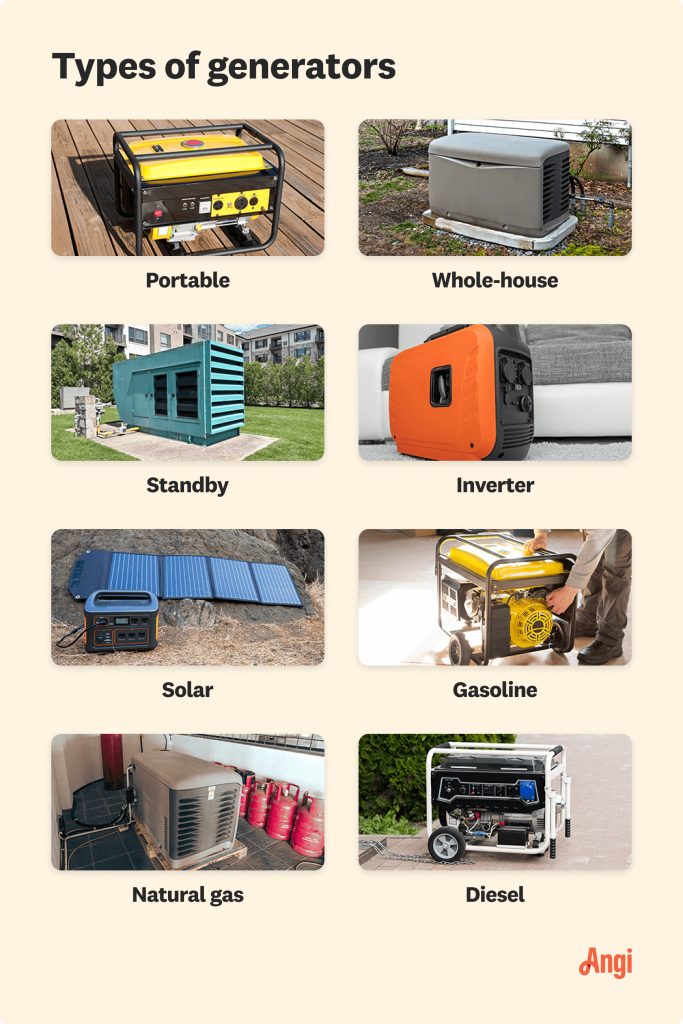
Standby generators use different fuel typeslike natural gas, propane, or diesel. Natural gas is often cleanerand cheaper. Propane stores well but costs more. Diesel is strong but creates more pollution. Fuel choice affects efficiencyand emissions.
Noise levels vary by model. Some run quietly, others can be loud. Proper placement far from living areas helps reduce disturbance. Placing a generator near walls or fences can block sound.
Regular maintenancekeeps generators working long. Oil changes, filter checks, and testing are important. Good care can make a generator last over 10 years. Poor maintenance causes breakdowns and costly repairs.
Evaluating Cost Vs. Benefit
Initial investmentfor a standby generator includes the cost of the unit and professional installation. Prices vary based on generator size and home electrical needs. Installation may require permits and upgrades to your home’s electrical system.
Long-term savingscome from avoiding food spoilage, property damage, and loss of income during outages. Generators also keep essential systems running, reducing inconvenience and potential costs.
| Home Type | Suitability | Notes |
|---|---|---|
| Small Homes | Good | Smaller generators are usually enough |
| Large Homes | Better | Need larger units, higher cost |
| Remote Locations | Excellent | Often face long outages |
| Urban Areas | Variable | Depends on outage frequency |
Frequently Asked Questions
What Are The Benefits Of A Standby Generator?
A standby generator ensures continuous power during outages. It protects appliances, maintains comfort, and prevents data loss. It activates automatically and runs on natural gas or propane, providing convenience and safety for homes and businesses.
How Much Does A Standby Generator Cost?
Standby generator costs vary by size and features. Prices typically range from $2,000 to $10,000, including installation. Larger units and professional installation increase the total cost. Consider budget and power needs before purchasing.
Is A Standby Generator Better Than A Portable One?
Standby generators provide automatic, seamless power unlike portable units. They connect directly to your home’s electrical system. Portable generators need manual setup and fuel refills. Standby units offer more convenience and reliability for long outages.
How Long Can A Standby Generator Run Continuously?
Standby generators can run for days if fuel supply is sufficient. Natural gas generators offer unlimited run time with proper maintenance. Propane-fueled units depend on tank capacity but can last many hours. Regular servicing ensures optimal performance.
Conclusion
A standby generator offers peace during power outages. It keeps your home running smoothly and safely. The initial cost may seem high, but it adds long-term value. Think about your needs and budget carefully. Choose quality and professional installation for best results.
A standby generator can be a smart, reliable investment. It helps you avoid inconvenience and protect your family. Consider it as a backup plan that works automatically. Power outages become less stressful with this solution. Make an informed choice that fits your lifestyle.