Are you considering a standby generator for your home in Cape Coral, Florida, but unsure if it’s allowed? You’re not alone.
With frequent power outages and unpredictable weather, having a backup power source is a smart move. Yet, before you make the investment, it’s crucial to understand local regulations and requirements. You wouldn’t want to install a generator only to find out it doesn’t comply with city codes.
We’ll uncover everything you need to know about installing a standby generator in Cape Coral. From permits to placement, and even the noise levels you must adhere to, we’ve got you covered. Let’s ensure you’re fully informed, so you can make a confident decision for your home’s power needs. Keep reading to discover the essential insights that could save you time, money, and hassle.
Cape Coral Generator Regulations
Cape Coral has strict local building codesfor standby generators. These codes ensure safety and proper installation. Generators must meet city and state rules.
Before installing a generator, you must get a permit. The city reviews your plans to confirm they follow all guidelines. Permitting helps avoid fines and problems.
Noise levels from generators are controlled by noise restrictions. Generators must run quietly to respect neighbors. Excessive noise is not allowed at any time.
- Generators must be installed away from property lines.
- Proper ventilation is required to prevent hazards.
- Regular inspections may be needed to keep permits valid.

Credit: m.yelp.com
Types Of Standby Generators
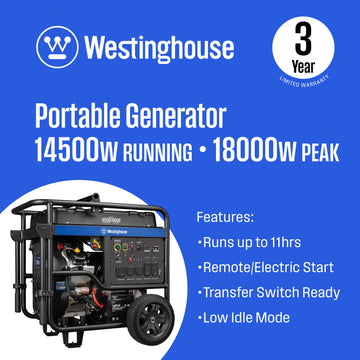
Portable generatorsare small and easy to move. They use gasoline or propane. They need to be started by hand. Good for short power outages or camping. Standby generatorsare fixed outside the home. They turn on automatically during power loss. Usually use natural gas or propane. They power the whole house or key systems.
| Fuel Type | Common Use | Pros | Cons |
|---|---|---|---|
| Natural Gas | Standby generators | Continuous fuel supply, clean burning | Needs gas line connection |
| Propane | Portable and standby | Long shelf life, clean fuel | Needs tank refilling |
| Gasoline | Portable generators | Easy to find, quick start | Short shelf life, fumes |
- Power capacity ranges from 5kW to 22kW or more.
- Smaller units suit basic home needs.
- Larger units can run entire homes or businesses.
- Choose capacity based on your essential appliances.
Installation Guidelines
Standby generators must be installed in approved locationsto meet Cape Coral rules. These places are usually outside and away from windows or doors. This helps to avoid noise and fumes from entering the home.
Generators need to keep a safe distance from structures. Usually, they should be at least 5 feetaway from walls and fences. This space helps prevent fire risks and allows for proper airflow.
Electrical connectionsmust follow local codes. Only a licensed electricianshould connect the generator to your home’s system. This ensures safe and proper wiring to avoid hazards.

Credit: westinghouseoutdoorpower.com
Safety Considerations
Carbon monoxideis a dangerous gas made by generators. It can cause sickness or death if it builds up inside homes. Always place generators outside and far from windows or doors. Never use a generator indoors or in a garage.
Good ventilationhelps keep fresh air moving and stops gas buildup. Make sure the generator’s exhaust points away from the house. Check that no vents or openings let fumes enter living areas.
- Regular maintenancekeeps the generator safe and working well.
- Change oil and filters as the manual says.
- Inspect exhaust and fuel lines for leaks or damage.
- Test carbon monoxide detectors often to ensure they work.
Costs And Incentives
The installation expensesfor a standby generator in Cape Coral can vary. Costs depend on generator size and home setup. Typical installation ranges from $3,000 to $7,000. Larger units and complex wiring increase the price.
Operating costsinclude fuel and maintenance. Fuel type affects expenses; natural gas is often cheaper than propane. Regular maintenance keeps the generator reliable and safe. Expect yearly costs around $200 to $500.
| Local Rebates and Incentives | Description |
|---|---|
| Energy Efficiency Rebates | Some programs offer money back for efficient generators. |
| Utility Company Discounts | Cape Coral electric companies may offer installation discounts. |
| Tax Credits | Federal or state tax credits may reduce overall cost. |

Credit: canterpowersystems.com
Common Issues And Solutions
Noise complaintsoften arise from standby generators running too loudly. Neighbors may feel disturbed by the constant sound. Using soundproof enclosures or placing the generator away from property lines helps reduce noise. Regular maintenance also keeps noise levels low.
Permitting delayscan slow down generator installation. Local rules in Cape Coral require permits before setup. Submitting complete applications speeds approval. Consulting with city offices early avoids surprises and delays.
Generator performanceissues may include failure to start or low power output. Frequent testing and servicing ensure reliable operation. Using quality fuel and changing filters regularly improve performance.
Frequently Asked Questions
Is A Standby Generator Allowed In Cape Coral, Fl?
Yes, standby generators are allowed in Cape Coral, FL. Homeowners must follow local building codes and obtain necessary permits before installation.
What Permits Are Needed For Standby Generators In Cape Coral?
You need an electrical and building permit from Cape Coral city officials. Compliance with safety and zoning regulations is mandatory.
Are There Noise Restrictions For Generators In Cape Coral?
Yes, Cape Coral enforces noise limits for generators. Generators must operate within specified decibel levels to avoid disturbances.
Can A Standby Generator Be Installed Without Professional Help?
No, professional installation is required to meet Cape Coral’s safety and code standards. Licensed electricians ensure proper setup and inspections.
Conclusion
Standby generators are allowed in Cape Coral, Florida, with rules to follow. You must get proper permits and meet local codes. These rules keep your home safe and your neighborhood quiet. Choose the right size and location for your generator.
This helps avoid problems and fines later on. A standby generator can keep power flowing during outages. It offers peace of mind in storms and blackouts. Always check the latest city regulations before installing one. Stay informed to protect your home and family well.