
When the power goes out, having a standby generator can feel like a lifesaver. But as you consider this investment, a question might pop into your mind: “Is a standby generator tax deductible?”
You’re not alone in wondering if there’s a way to offset some of the costs. Understanding tax deductions can be complex, but it’s crucial for making smart financial decisions. Imagine the relief of knowing that your essential backup power source might come with a financial bonus.
Dive into this article to uncover the truth about tax deductions for standby generators and see how you might benefit. You won’t want to miss this chance to potentially save money while keeping your home powered.
Standby Generators And Taxes
Standby generatorsmay qualify for tax deductions under certain conditions. Generally, they must be used for business purposesor to protect income-producing property. Personal use generators typically do not qualify. To claim a deduction, the generator should be necessary to maintain operations during power outages.
Expenses related to the purchase, installation, and maintenance of the generator can be deductible. It is important to keep all receiptsand documentation for these expenses. Consulting with a tax professional can help clarify eligibility and proper reporting.
| Type of Expense | Description |
|---|---|
| Purchase Cost | Price paid for the generator unit. |
| Installation Fees | Costs to install and set up the generator. |
| Repairs & Maintenance | Expenses for upkeep and fixing issues. |
| Fuel Costs | Costs of fuel used during operation. |
Home Use Vs Business Use
Standby generators for home useusually do not qualify for tax deductions. They are seen as personal expenses. Costs for installation and maintenance cannot be deducted on your tax return.
Generators used for business purposesoften have tax benefits. Businesses can deduct the cost as a business expense. This includes purchase price, installation, and upkeep.
| Use Type | Tax Deductible? | Details |
|---|---|---|
| Home Use | No | Considered personal expense, no deductions allowed |
| Business Use | Yes | Deductible as business expense, includes purchase and maintenance |
Federal Tax Incentives
Federal tax incentivescan help reduce the cost of a standby generator. Some credits reward energy-efficient equipment, but not all generators qualify. Standby generators designed to use renewable energyor reduce fossil fuel use might be eligible.
Energy efficiency creditsfocus on devices that lower energy use or improve energy savings. Generators running on clean energy may qualify for these credits. Check the latest IRS rules to confirm eligibility.
Disaster preparedness deductionsallow some homeowners to deduct costs for equipment used during emergencies. A standby generator that helps protect your home during power outages could count. Keep good records and receipts when claiming these deductions.
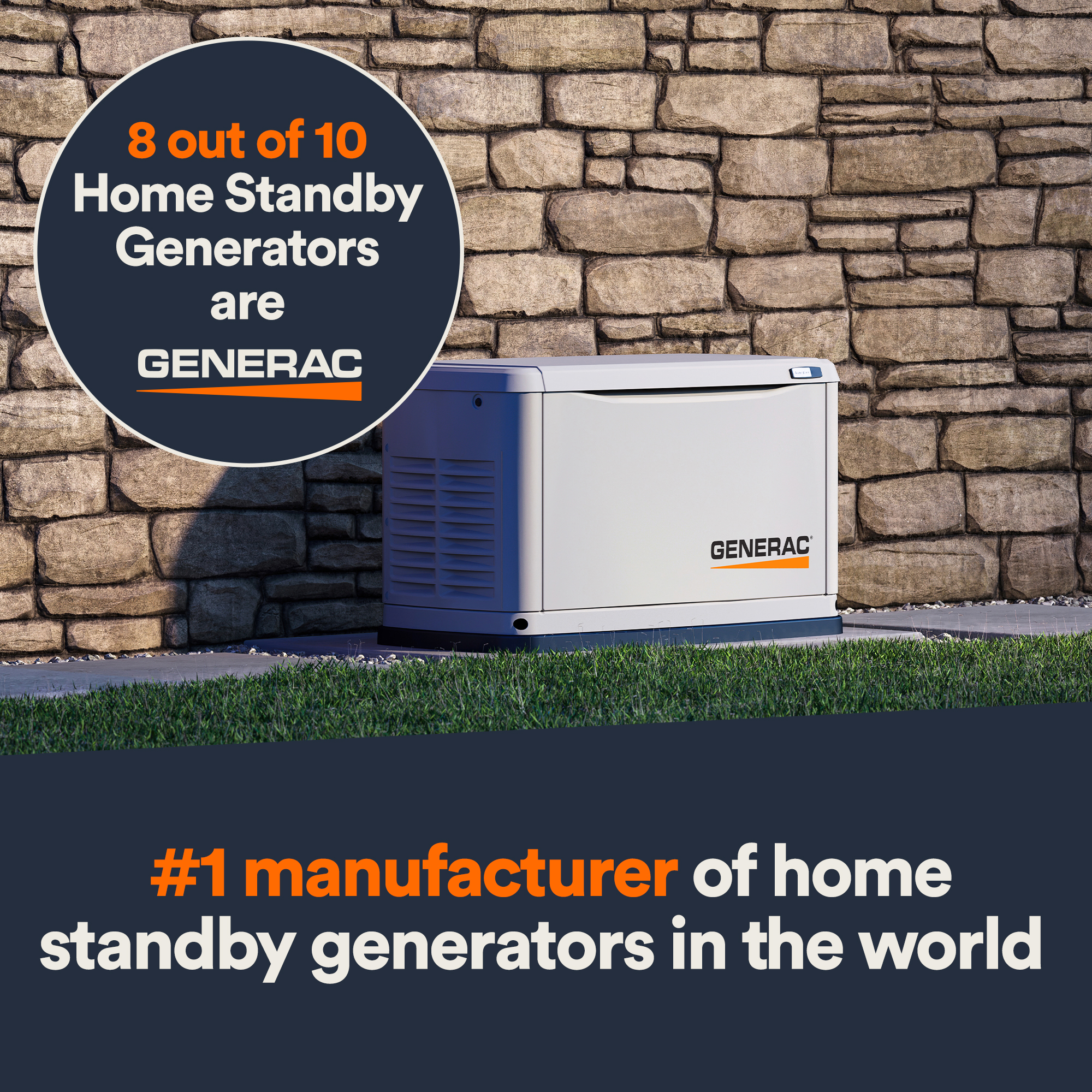
Credit: www.generac.com
State And Local Tax Breaks
State-specific credits and rebatescan help reduce the cost of a standby generator. Some states offer tax creditsthat lower your tax bill directly. Others provide rebatesthat give money back after purchase.
These programs vary widely. They depend on the state where you live. Checking your state’s energy or tax website can show you what is available.
- Tax credits reduce the amount of tax you owe.
- Rebates give cash back after buying a generator.
- Some states require proof of energy efficiency.
- Programs may change each year.
Local utility incentivesmay also help. Utilities sometimes offer discounts or rebates. These encourage using energy-saving or backup power equipment.
- Utility rebates lower initial costs.
- Discounts may apply to installation or equipment.
- Check with your local utility company for offers.
- Programs differ by utility and location.
Documentation And Filing Tips
Keep all receiptsrelated to the standby generator purchase. This includes installation and repair bills. Store warranty papers and manuals safely. These documents help prove your expenses.
Track costs separately for fuel, maintenance, and repairs. Use a dedicated folder or digital file to organize these records. Clear records make tax filing easier and faster.
| Expense Type | Where to Report |
|---|---|
| Purchase and Installation | Report as a capital expense on Form 4562 |
| Repairs and Maintenance | Deduct as business expenses on Schedule C or E |
| Fuel Costs | Include in operating expenses if used for business |
Keep copies of all tax forms and supporting documents. This helps if the IRS asks for proof later.

Credit: canterpowersystems.com
Common Tax Mistakes To Avoid
Misclassifying personal useof a standby generator can lead to tax errors. Only the business or rental portion qualifies for deductions. Personal use costs are not deductible. Keep clear records of generator use to avoid confusion.
Overlooking eligible deductionsis common. Expenses like installation, maintenance, and repairs may qualify. Check if the generator supports a business or rental property. These costs can reduce taxable income.
- Track the generator’s use carefully.
- Separate personal and business expenses.
- Save all receipts and invoices.
- Consult a tax professional for guidance.

Credit: solarpowerstore.ca
Frequently Asked Questions
Is A Standby Generator Tax Deductible For Homeowners?
A standby generator may be tax deductible if used for business purposes. Homeowners usually cannot claim a deduction unless it supports a home office or rental property.
Can Businesses Deduct Standby Generator Costs On Taxes?
Yes, businesses can often deduct standby generator expenses as a business asset. The cost may be depreciated over several years according to IRS guidelines.
Are Standby Generator Installation Expenses Tax Deductible?
Installation costs might be deductible if the generator qualifies as a business expense. For personal use, installation is generally not deductible.
What Tax Credits Apply To Standby Generators?
Some standby generators may qualify for energy-related tax credits. Check current federal and state programs for eligibility and credit amounts.
Conclusion
Standby generators can sometimes qualify for tax deductions. It depends on how you use the generator and local tax laws. Business use often allows for deductions, while personal use usually does not. Keep good records of your purchase and installation costs.
Consult a tax professional to understand your specific situation. Knowing the rules helps you save money. A standby generator can protect your home or business during power outages. Think carefully about your needs and tax benefits before buying.