
Are you tired of power outages disrupting your daily life? Picture this: you’re in the middle of an important task, or perhaps enjoying a cozy evening with your family, and suddenly, the lights flicker and go out.
Everything comes to a halt. Frustrating, isn’t it? This is where the thought of a standby generator comes into play. You might be wondering if investing in one is truly worth it. After all, it’s not just about keeping the lights on; it’s about ensuring your peace of mind and maintaining the comfort of your home.
But is it really the right choice for you? We’ll explore the benefits and considerations of owning a standby generator, helping you make an informed decision. Keep reading to discover whether this could be the solution to your power outage woes.
Benefits Of Standby Generators
A standby generatoroffers a continuous power supplyduring outages. It starts automatically, so no need to plug in or turn on anything manually.
This ensures essential appliancesstay on, like refrigerators, lights, and medical devices. It keeps your home comfortable and safe.
- Automatic Operation:No effort needed to start it.
- Increased Home Value:Homes with generators often sell for more.
- Safety and Security:Keeps alarms and security systems running.

Credit: www.achrnews.com
Types Of Generators
Portable generatorsare small and easy to move. They power a few devices during short outages. These generators run on gas or propane. They need manual setup and refueling.
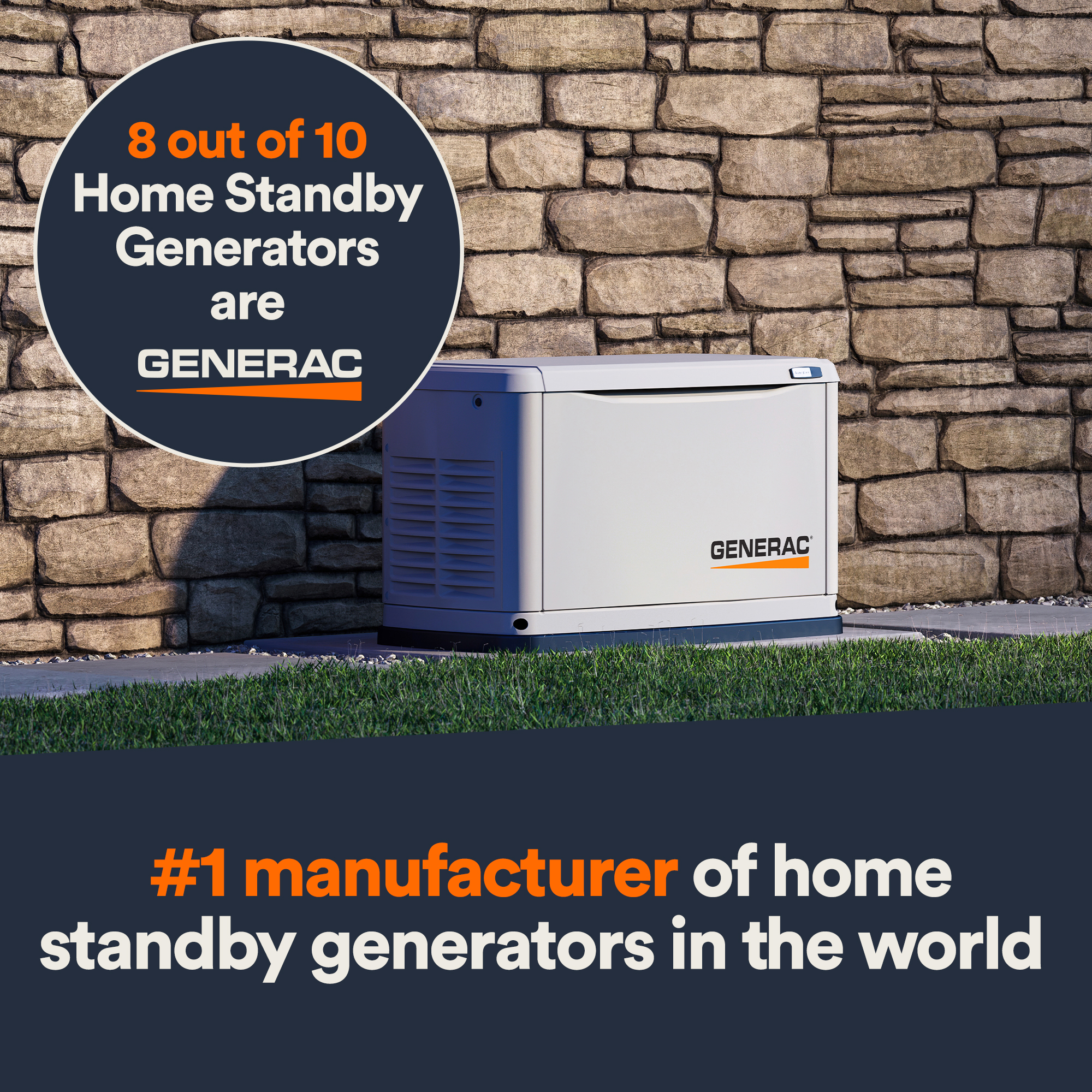
Standby generatorsare large and fixed outside a home. They turn on automatically during power loss. They connect to your home’s fuel supply. These provide power for long outages.
Inverter generatorsproduce clean and stable power. They are quiet and fuel-efficient. Good for sensitive electronics like laptops and phones. Smaller and lighter than standby generators.
Solar generatorsuse energy from the sun. They store power in batteries for later use. They are silent and eco-friendly but depend on sunlight. Best for small devices and emergency backup.
Costs And Installation
The initial investmentfor a standby generator includes the cost of the unit and installation. Prices vary based on size and power capacity. Installation needs a licensed electricianand possibly permits. This ensures safety and code compliance.
Installation requirementsdepend on your home’s wiring and location. A transfer switch is usually needed to connect the generator to your home’s electrical panel. The installation can take a few hours to a few days.
Maintenance expensesinclude regular oil changes, filter replacement, and system tests. Annual service keeps the generator ready to work during power outages.
| Fuel Type | Cost | Availability | Storage |
|---|---|---|---|
| Natural Gas | Moderate | High | No need for storage tanks |
| Propane | Higher | Moderate | Requires tanks |
| Diesel | Varies | Moderate | Requires tanks and careful storage |
Choosing The Right Generator
Assess your power needsbefore choosing a generator. List the essential devices to run during outages. Calculate their total wattage. This helps pick the right size.
Fuel type matters for cost and availability. Common fuels include natural gas, propane, and diesel. Each has pros and cons. Choose what fits your location and budget.
Size and capacity must match your power needs. A generator too small won’t handle all devices. Too big wastes money and fuel. Check the running wattsand starting wattsof the generator.
| Brand | Warranty | Notes |
|---|---|---|
| Brand A | 3 years | Good customer support |
| Brand B | 2 years | Affordable and reliable |
| Brand C | 5 years | High-end with longer warranty |
Check brands with strong warrantiesfor peace of mind. A good warranty protects your investment. Also, read user reviews on reliability and service.
Common Concerns And Challenges
Noise levelsof standby generators can be disturbing. Some models produce a constant hum. This can affect sleep and outdoor quiet time. Choosing a quieter model helps.
Fuel storageneeds space and care. Generators often use gasoline, propane, or natural gas. Gasoline must be stored safely to avoid spills and fires. Propane tanks are large and need proper placement. Natural gas lines require professional setup.
| Fuel Type | Storage Needs | Safety Concerns |
|---|---|---|
| Gasoline | Small container, cool place | Flammable, spills risk |
| Propane | Large tank, outdoor | Leak risk, explosion hazard |
| Natural Gas | Piped in | Professional installation needed |
Environmental impactvaries by fuel type. Gasoline and propane create more pollution. Natural gas is cleaner but still emits gases. Some places have rules to limit emissions.
Permits and regulationscan delay installation. Local laws may require permits for fuel storage and generator setup. Some areas limit noise and emissions. Checking rules before buying saves time and money.
Credit: www.generac.com
Alternatives To Standby Generators
Battery backup systemsstore electricity for use during outages. They work quietly and need little upkeep. These systems are good for short power cuts but may not last long during extended outages.
Solar power solutionsuse sunlight to create energy. They are eco-friendly and can reduce electric bills. Solar panels work best in sunny areas and need space for installation.
Hybrid systemscombine solar panels with battery storage. This setup provides power day and night. It offers more reliability but costs more upfront than other options.
Real-life User Experiences
Many users find standby generators very helpfulduring power outages. They share stories of keeping lights on, running refrigerators, and powering essential devices. Some mention the peace of mindit brings, especially in storm-prone areas.
Others note the costand maintenanceas factors to consider. A few users faced installation challengesbut found support from professionals.
| Customer | Experience | Lesson Learned |
|---|---|---|
| John D. | Generator powered his home for 5 days during a hurricane. | Invest in a reliable model and professional installation. |
| Maria S. | Had minor issues with auto-start but quick service fixed it. | Regular checks and servicing keep it ready to use. |
| Lee K. | Saved food and medical devices during a long blackout. | Standby generators are worth the upfront cost for safety. |

Credit: www.angi.com
Frequently Asked Questions
What Is The Main Benefit Of A Standby Generator?
A standby generator provides automatic power during outages. It ensures continuous electricity for homes and businesses. This prevents disruptions and safeguards essential appliances and systems. It offers peace of mind, especially in areas prone to frequent power cuts.
How Much Does A Standby Generator Cost?
Standby generator costs vary based on size and features. Prices typically range from $2,000 to $10,000 or more. Installation fees add to the total expense. Consider maintenance costs as well when budgeting for a generator.
How Reliable Are Standby Generators During Power Outages?
Standby generators are highly reliable with proper maintenance. They activate automatically within seconds of a power failure. Regular servicing ensures they perform efficiently when needed. Quality units provide consistent power for extended outages.
Can A Standby Generator Power An Entire House?
Yes, a standby generator can power an entire house. Choose a generator sized correctly for your home’s energy needs. Larger models support multiple appliances and systems simultaneously. This ensures full home functionality during outages.
Conclusion
A standby generator can bring peace during power outages. It keeps your home running smoothly and safely. Think about your needs and budget before deciding. Weigh the cost against the benefits it offers. For many, the convenience and security are worth it.
Power outages can happen anytime. Being prepared helps avoid stress and loss. A standby generator gives you control and comfort. Choose wisely and stay ready for the unexpected.