Imagine a world where you can harness the power of the sun without installing solar panels on your roof. That’s the magic of community solar.
But is it really distributed generation? You might be wondering how this impacts you and your energy choices. Dive into this article to uncover the truth about community solar and its role in the ever-evolving energy landscape. Discover how you can benefit from greener energy solutions while contributing to a sustainable future.
Ready to find out if community solar is the right fit for you? Keep reading to unlock the answers.
Credit: www.utilitydive.com
Community Solar Basics
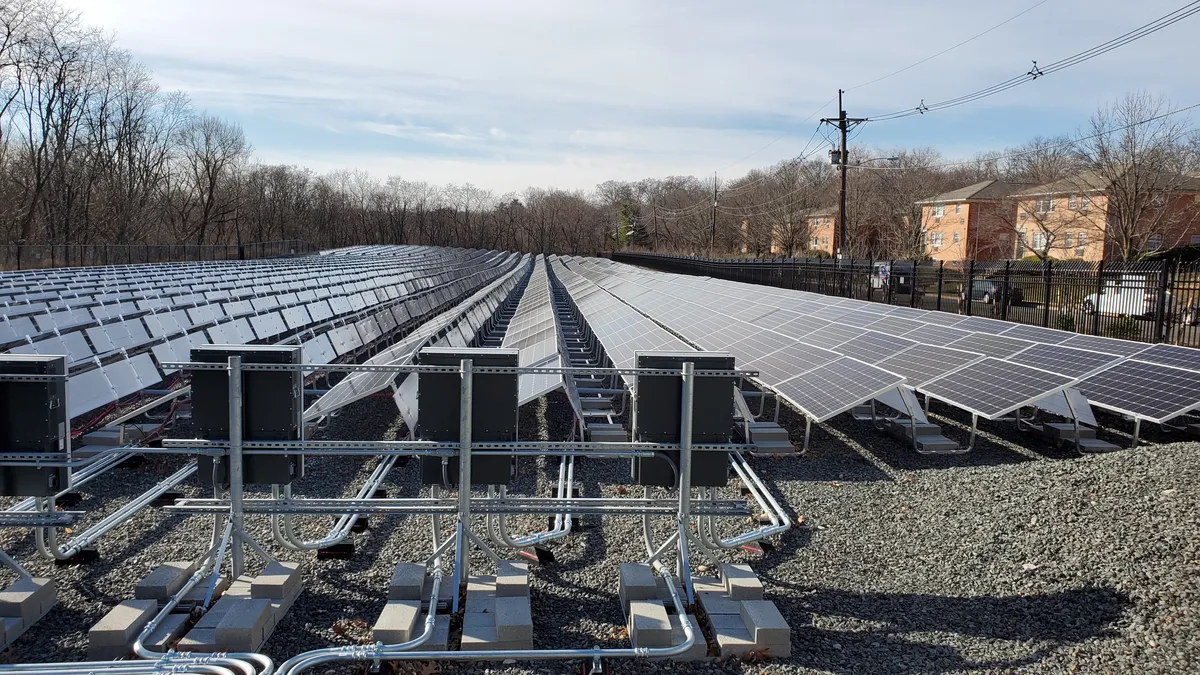
Community solarallows many people to share solar power from one big system. This system is usually built in one place but serves many homes or businesses. Participants buy or lease part of the solar panels and get credits on their electric bills.
Energy from the solar panels goes to the local power grid. The electricity flows to homes connected to the grid, not directly from the panels. This setup makes solar energy easy to use for people who cannot install panels on their roofs.
| Type | Description |
|---|---|
| Utility-Scale Projects | Large solar farms owned by utilities or third parties. They serve many customers. |
| Commercial Projects | Solar systems for businesses, shared by employees or nearby residents. |
| Nonprofit or Community-Owned | Solar projects owned by local groups or nonprofits for community benefit. |
Distributed Generation Explained
Distributed generation means producing electricity near where it is used. It uses small power sources instead of big power plants. Community solar is an example of this. It shares power from solar panels with many users.
Key featuresinclude:
- Power made close to homes or businesses
- Smaller, cleaner energy sources like solar or wind
- Less energy lost during transport
- More control for local users
- Often easier and quicker to install
Benefits over centralized powerinclude:
| Distributed Generation | Centralized Power |
|---|---|
| Power made near users | Power made far away in big plants |
| Less energy lost in transport | More energy lost on long lines |
| More reliable during outages | Can fail if main grid is down |
| Cleaner energy options | Often uses fossil fuels |
Linking Community Solar To Distributed Generation
Community solarallows many people to share the energy made by solar panels. This shared energy production modelhelps people who cannot put solar panels on their own roofs. It works by letting several users buy or lease a part of a solar project. Each user then gets credit on their electricity bill for the energy produced.
The impact on local gridsis important. Community solar adds clean energy close to where it is used. This helps reduce losses that happen when electricity travels long distances. It can also ease the demand on the main grid during peak times. Local grids become more stable and flexible with more solar power connected.
Clean Energy Advantages
Community solarhelps lower the carbon footprintby using clean energy. Solar power produces no harmful gases. This means less air pollution and a healthier planet. Many homes and businesses can share the benefits.
It also promotes renewable energyuse. More people join solar programs without installing panels on their roofs. This makes solar energy easier to get for everyone.
- Reduces use of coal and gas power plants
- Supports local clean energy projects
- Helps fight climate change by cutting emissions
- Creates jobs in renewable energy fields
- Offers a simple way to go green
Economic And Social Benefits
Community solar distributed generation brings local jobs and lowers energy costs for everyone. It supports clean energy and helps communities save money together.
Lower Energy Costs
Community solarhelps reduce energy bills for many people. It allows households to share power from solar panels. This sharing lowers the cost of electricity for everyone in the group. No need to install panels on your own roof. Savings come from bulk buying and shared maintenance costs. People pay less for clean energy every month. This makes solar power more affordable for families and businesses.
Community Engagement And Equity
Community solar projects bring neighbors together to support clean energy. They help many people, including those who cannot install panels at home. This creates fair accessto solar power for all. Projects often focus on low-income areas to reduce energy inequality. They build a sense of teamwork and care in communities. Everyone benefits from cleaner air and lower energy bills. More voices join the push for a greener future.
Credit: medium.com
Challenges And Considerations
Regulatory hurdlesoften slow down community solar projects. Rules differ by state and utility. These rules can limit who can join or how much solar energy can be shared. Sometimes, unclear policies cause delays and higher costs. This makes it hard for people to benefit from solar power.
Technical limitations also affect community solar. Shared solar systems need complex metering and billingsetups. The electricity grid must handle energy flowing from many sources. Not all areas have the right infrastructure for this. These issues can reduce the system’s efficiency and raise maintenance needs.
Future Trends In Community Solar
Technological innovationsare making community solar more efficient. New solar panels capture more sunlight. Energy storage systems help save power for night use. Smart meters track energy use and sharing. These tools make solar energy easier to manage and cheaper.
Policy developmentssupport growth in community solar projects. Governments offer incentives and rebates. Rules allow more people to join solar programs. Laws encourage fair pricing and access for all. These changes help more communities use clean energy.

Credit: www.latitudemedia.com
Frequently Asked Questions
What Is Community Solar Distributed Generation?
Community solar distributed generation refers to solar power systems shared by multiple users. It allows participants to benefit from solar energy without installing panels on their property. This model promotes clean energy access and local power generation, reducing reliance on centralized power plants and lowering electricity costs.
How Does Community Solar Differ From Traditional Solar?
Community solar lets multiple users share one solar installation, unlike traditional solar where individuals own panels. It offers solar access to renters or those with unsuitable roofs. This shared approach spreads costs and benefits, increasing solar adoption and supporting distributed energy generation within local communities.
Can Community Solar Reduce Electricity Bills?
Yes, community solar can lower electricity bills. Participants receive credits on their utility bills for their share of solar power generated. This credit offsets their energy consumption costs, providing financial savings. The more solar energy produced, the greater the potential reduction in electricity expenses.
Who Can Join A Community Solar Project?
Anyone living within the project’s service area can typically join. It is ideal for renters, homeowners with shaded roofs, and those unable to install solar panels. Subscribers usually pay a monthly fee or buy a share of the system to receive energy credits.
Conclusion
Community solar lets many people share clean energy from one source. It spreads power production across neighborhoods and reduces reliance on big power plants. This helps the environment and lowers energy costs for many. People can join without installing panels on their homes.
Community solar supports local energy needs and builds stronger communities. It shows how sharing energy benefits everyone. Choosing community solar means choosing a smarter, cleaner way to power homes. Simple, fair, and good for the planet. A step forward in how we use energy every day.