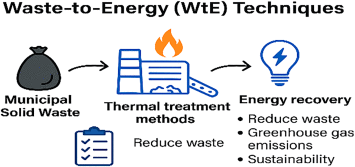
Have you ever wondered what happens to the mountains of trash that pile up every day? Imagine turning that waste into something useful, like electricity.
Yes, burning solid waste to generate electricity is a real thing, but how sustainable is it? You might be curious about whether this method is a smart way to manage waste and power your home. We’ll explore the pros and cons of this intriguing process.
You’ll discover surprising facts that could change how you think about your trash and its potential. Stick around to find out if burning waste could be a key to a cleaner, greener future for you and your community.
Solid Waste To Energy Basics
Solid wasteincludes many types like organic waste, plastics, paper, metals, and glass. Some waste is biodegradable, while others are not. This variety affects how waste can be used to make energy.
Conversion technologieschange solid waste into usable energy. These include:
- Incineration: Burning waste to produce heat and electricity.
- Gasification: Heating waste in low oxygen to create gas for fuel.
- Pyrolysis: Breaking down waste with heat to get oil and gas.
- Anaerobic digestion: Using bacteria to turn organic waste into biogas.
| Technology | Energy Type | Energy Output Potential |
|---|---|---|
| Incineration | Heat and Electricity | Moderate to High |
| Gasification | Synthetic Gas (Syngas) | High |
| Pyrolysis | Oil and Gas | Moderate |
| Anaerobic Digestion | Biogas (Methane) | Low to Moderate |
Environmental Impact
Burning solid waste releases carbon dioxide, nitrogen oxides, and other pollutants. These gases can harm air quality and human health. Modern plants use filters to reduce toxic emissions. Still, some harmful particles escape into the air.
Using waste for energy helps reduce landfill size. Less waste in landfills means fewer methane emissions. Methane is a strong greenhouse gas that traps heat.
| Energy Source | Emissions | Waste Produced | Renewability |
|---|---|---|---|
| Solid Waste Burning | Moderate to High | Low (ash) | Partially Renewable |
| Coal | High | High (slag, ash) | Non-Renewable |
| Solar | None | None | Renewable |
| Wind | None | None | Renewable |
Economic Factors
Building plants to burn solid waste for electricity requires high initial costs. This includes buying machines and setting up the site. These costs can be a challenge for many places.
Running these plants daily needs money too. Expenses include paying workers, maintenance, and buying fuel or materials. These operational costscan change depending on the plant’s size and technology used.
| Revenue Source | Details |
|---|---|
| Electricity Sales | Money earned by selling the power produced. |
| Government Incentives | Grants or tax breaks to help lower costs. |
| Byproducts | Some plants sell ash or heat for extra income. |
Social And Health Considerations
Community acceptanceis key for waste-to-energy projects. Some people worry about smells and smoke. Clear information helps reduce fears. Meetings let neighbors ask questions and share concerns. Trust builds when plants show they are safe and clean.
Health risks depend on how waste is burned. Modern plants use filters to catch harmful gases. Still, nearby residents may worry about air quality. Regular checks and strict rules keep pollution low. Protecting community health must be a top priority.
| Job Creation | Details |
|---|---|
| New jobs | Building and running plants creates local work. |
| Skill training | Workers learn new skills in technology and safety. |
| Long-term benefits | Stable jobs help support families and communities. |
Technological Innovations
Advanced combustion methods help burn solid waste more cleanly and efficiently. These methods reduce harmful gases and capture more energy. Technologies like fluidized bed and gasification improve the burning process.
Emission control technologies catch harmful gases before they reach the air. Filters and scrubbers remove dust and chemicals. This keeps the air cleaner and safer for people.
Integration with renewable energy makes power from waste greener. Solar or wind energy can work with waste plants to lower carbon footprints. This mix helps produce steady, cleaner electricity.

Credit: www.magonlinelibrary.com
Regulatory And Policy Landscape
Regulations shape how solid waste energy projects operate and control pollution levels. Policies differ by region, affecting the sustainability of burning waste for electricity. Balancing environmental rules with energy needs guides the future of this practice.
Government Regulations
Governments set rules to control waste burning for power. These rules help keep air clean and reduce pollution. Plants must follow limits on smoke and harmful gases. Regular checks make sure rules are met. Rules also guide waste types that can be burned safely.
Environmental Standards
Standards ensure power from waste does not harm nature. These include limits on emissions like carbon and toxins. Standards protect water, soil, and air quality. Meeting these keeps ecosystems safe and people healthy. They also promote cleaner technologies in waste burning.
Supportive Policies
- Financial help for clean waste-to-energy projects.
- Incentives for using eco-friendly technology.
- Training programs for workers and operators.
- Public awareness campaigns on waste and energy.
- Rules encouraging recycling before burning waste.
Challenges And Limitations
Burning solid waste to make electricity faces many challenges. One big issue is feedstock variability. Waste types change a lot. This makes it hard to keep the process steady and safe.
Technical barriersalso slow progress. Machines can break from harsh waste materials. It costs money to build and maintain them. Emissions must be controlled to protect air quality.
Public perception issuesaffect projects too. Many people worry about smoke and smells. They may not trust that the process is clean or safe. This can cause protests and delays.

Credit: www.smithsonianmag.com
Future Outlook
Emerging trendsshow more efficient ways to burn solid waste for energy. Technologies reduce harmful gases and increase power output. Some systems now capture heat and reuse it, saving energy. More research focuses on turning waste into cleaner fuels.
| Sustainability Metrics | Description |
|---|---|
| Carbon Emissions | Lower emissions compared to fossil fuels, but still present. |
| Energy Efficiency | Improved with new technology, reaching up to 30% efficiency. |
| Waste Reduction | Significant decrease in landfill waste volume. |
| Resource Recovery | Recover metals and other materials during energy production. |
Global adoption depends on cost, waste availability, and policy support. Countries with large waste streams see higher interest. Training and infrastructure are needed for safe, effective use. Supportive laws and incentives boost growth in this sector.

Credit: pubs.rsc.org
Frequently Asked Questions
Is Burning Solid Waste An Eco-friendly Energy Source?
Burning solid waste reduces landfill use and generates energy. However, it emits pollutants and requires advanced filters. Sustainability depends on technology and waste management practices.
What Are The Main Pollutants From Waste-to-energy Plants?
Waste-to-energy plants emit carbon dioxide, dioxins, and heavy metals. Modern plants use filters to minimize emissions. Proper controls are essential for environmental safety.
How Does Waste-to-energy Compare To Recycling Benefits?
Recycling saves more resources and energy than burning waste. Waste-to-energy reduces landfill volume but loses recyclable materials. Both methods should complement each other for sustainability.
Can Waste-to-energy Reduce Greenhouse Gas Emissions?
Yes, waste-to-energy lowers methane emissions from landfills. It replaces fossil fuels with renewable energy. Proper emissions control is crucial to maximize climate benefits.
Conclusion
Generating electricity by burning solid waste offers some benefits. It reduces trash in landfills and creates energy. Yet, it also releases pollutants that can harm the air. Sustainable use needs strong rules and cleaner technology. Communities must balance waste energy with environmental care.
This method can be part of a broader plan. A mix of recycling, reducing waste, and clean energy works best. The future depends on smart choices and ongoing improvements.