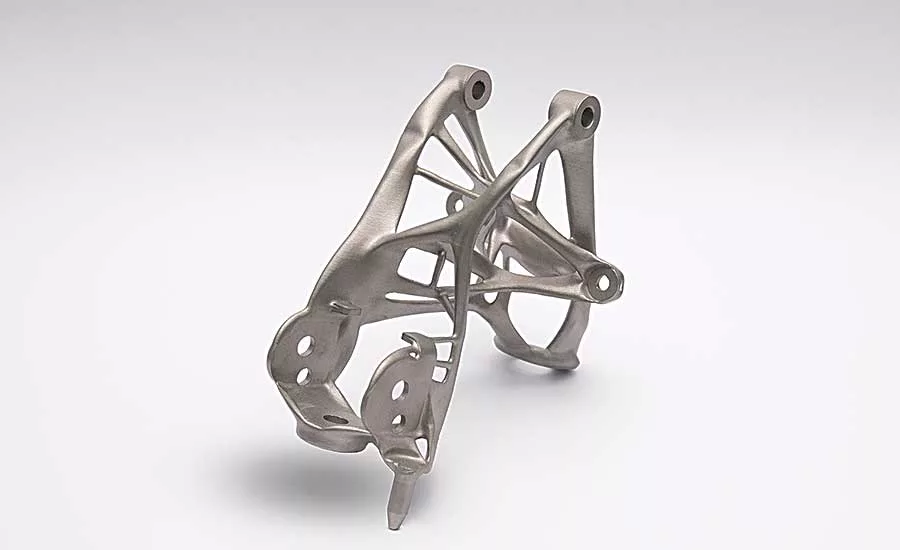
Imagine if you could revolutionize the way you design and optimize products. You might have heard whispers about the power of generative design.
Now, you’re probably asking yourself: “Is Generative Design Standard in Solid Edge 10? ” You’ve come to the right place for answers. This post will guide you through the exciting features of Solid Edge 10 and its generative design capabilities.
We’ll explore how this innovative tool can transform your design process, making it more efficient and creative. Stay with us to discover how you can leverage these capabilities to gain a competitive edge in your projects. Uncover the secrets behind Solid Edge 10 and see how it can redefine your design standards. Let’s dive in!

Credit: medium.com
Generative Design In Solid Edge 10
Generative designis a tool that helps create smart, efficient models. It uses algorithms to suggest the best shapes and structures. Solid Edge 10 includes this feature as a standard option. This means users don’t need extra add-ons to access it.
The core featuresinclude:
- Automatic optimization for weight and strength
- Multiple design alternatives generated quickly
- Easy to adjust design goals and constraints
- Supports complex shapes and materials
Solid Edge 10 works well with other CAD tools. It allows smooth integrationwith design software. This helps engineers move from design to production without delays or errors.

Credit: www.youtube.com
Availability As A Standard Feature
Generative design comes built into Solid Edge 10 as a standard feature. It helps create smart designs quickly without extra tools. Users can explore many design options easily within the software.
Licensing And Access
Generative Designis now included in the standard Solid Edge 10 package. No extra license is needed to use this feature. This makes it easier for users to explore design options without added costs.
Access is simple and built into the main software. Users can start generative design tasks directly after installation. This helps save time and effort.
Comparison With Previous Versions
| Feature | Solid Edge 10 | Previous Versions |
|---|---|---|
| Generative Design | Included as standard | Optional add-on or unavailable |
| Licensing | No extra cost | Additional license needed |
| Ease of Access | Built-in and ready to use | Requires setup or separate software |
Key Benefits Of Generative Design
Generative designhelps create better products faster. It uses smart algorithms to suggest many design options quickly. This saves time and effort in the design process. Designers can test ideas without making physical models.
It also helps with material optimization. Designs use less material but stay strong. This cuts costs and reduces waste. The software can pick the best materials for each part.
Better designs mean improved performance and durability. Parts last longer and work well under stress. Generative design finds shapes that are both light and strong. This helps make machines safer and more reliable.
Use Cases And Applications
Generative designin Solid Edge 10 helps create lighter and stronger car parts. It saves time and material costs. Car makers use it to design engine components and frames that meet safety and performance needs.
In aerospace, it improves fuel efficiencyby making aircraft parts lighter. Designers create complex shapes that are hard to model by hand. This leads to better durability and less weight on planes.
For consumer products, it helps design items that are both functional and stylish. It supports quick testing of many ideas. This speeds up production of gadgets, furniture, and household tools.
Challenges And Considerations
Learning generative designcan take time. Users must understand new tools and workflows. This requires patience and practice to get good results. The software’s interface and options may seem complex at first. Training or tutorials can help reduce the learning curve.
Computational poweris important for generative design. The process uses many calculations to create options. A computer with a strong processor and enough memory will work best. Without this, design tasks may run slowly or even stop. Planning hardware upgrades might be needed.
Future Of Generative Design In Solid Edge
Generative designin Solid Edge 10 is evolving fast. The software plans to include new toolsthat help create better and lighter parts. These features will make design work fasterand more efficient. Designers will get more control over shapes and materials.
The industry is moving towards smart designmethods. Many companies want tools that use artificial intelligenceto suggest the best designs. Solid Edge aims to keep up with this trend by adding advanced generative featuressoon.
| Upcoming Features | Industry Trends |
|---|---|
| Improved shape optimization | Use of AI in design |
| Better material selection tools | Focus on lightweight parts |
| Faster simulation and testing | Integration with cloud computing |

Credit: medium.com
Frequently Asked Questions
What Is Generative Design In Solid Edge 10?
Generative design in Solid Edge 10 uses AI to create optimized design solutions. It helps engineers explore multiple design options quickly. This feature enhances creativity and efficiency in product development workflows.
Is Generative Design Standard In Solid Edge 10?
Yes, generative design is included as a standard feature in Solid Edge 10. Users can access it without extra cost. This integration supports faster innovation and improved design quality.
How Does Generative Design Improve Solid Edge 10 Workflows?
It automates complex design tasks, saving time and effort. Generative design offers multiple design alternatives based on constraints. This improves decision-making and accelerates product development cycles.
Can Beginners Use Generative Design In Solid Edge 10 Easily?
Yes, Solid Edge 10 features a user-friendly interface for generative design. Tutorials and guides help beginners learn quickly. It enables designers of all levels to leverage advanced design methods.
Conclusion
Solid Edge 10 offers many design tools for engineers. Generative design is not yet a built-in feature. Users can explore other software for this function. Solid Edge continues to improve with each version. Stay updated to know when features change.
Choosing the right tool depends on your project needs. Keep learning and testing different design options. This helps create better, smarter products.