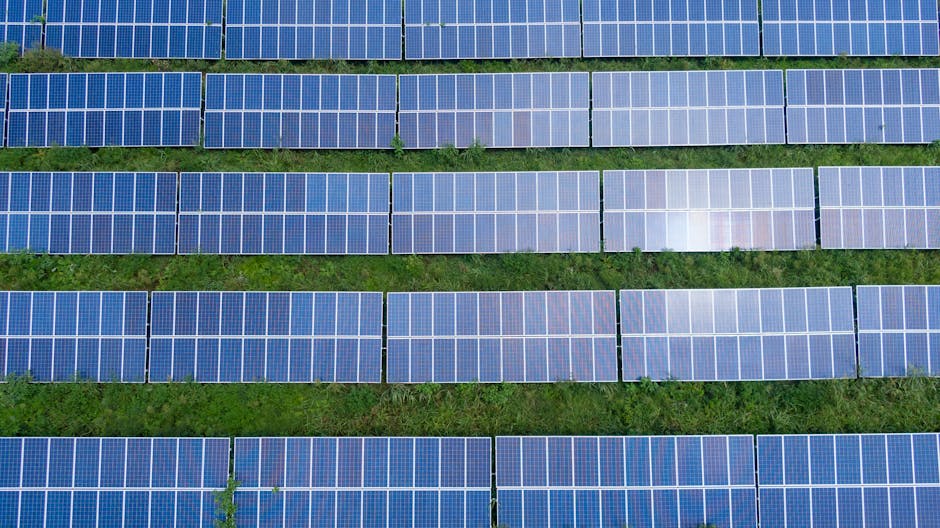
Are you curious about harnessing the sun’s power in Georgia? You’re in the right place.
As the world shifts towards cleaner energy sources, solar power is becoming a hot topic. But is Georgia the right place to set up your solar panels? Imagine cutting down your electricity bills while contributing to a greener planet. Sounds tempting, doesn’t it?
Georgia’s sunny days could be your golden ticket. Discover how the state’s climate, policies, and incentives might just make it the perfect spot for your solar energy venture. Dive deeper, and uncover the potential that Georgia holds for your solar dreams.

Credit: www.wabe.org
Solar Potential In Georgia
Georgia receives ample sunlight throughout the year, making it suitable for solar energy generation. Many areas enjoy clear skies, which helps solar panels work efficiently and produce consistent power.
Sunlight Hours And Climate
Georgia has an average of 5 to 6 hours of sunlight daily. This is good for solar energy. The state has many sunny days each year. The climate is mostly warm. This helps solar panels work well.
Solar panels need sunlight to make energy. More sunlight means more power. Clouds and rain can reduce solar power. Georgia’s weather is mostly clear, which is helpful.
Solar Radiation Levels
| Area | Solar Radiation (kWh/m²/day) |
|---|---|
| Atlanta | 4.5 to 5.0 |
| Augusta | 4.7 to 5.1 |
| Savannah | 4.8 to 5.2 |
These radiation levels are strong enough to support solar energy systems. Solar panels in Georgia can generate good electricity all year.
Benefits Of Solar Energy In Georgia
Solar energy in Georgiahelps save money on electric bills. Sunlight is strong and steady, making solar panels work well. Many homes lower their costs by using solar power. Over time, these savings add up.
Solar power also helps the environment. It cuts down on pollution and greenhouse gases. Using solar means less need for coal or gas energy. Clean air and water get better with solar energy.
Solar energy brings energy independencetoo. It means less reliance on big power companies. People can make their own power and use less from the grid. This helps during power outages or price hikes.
Solar Incentives And Policies
Georgia offers several financial benefitsto encourage solar energy use. Many local utilities provide state and local rebatesthat lower upfront costs. These rebates vary by county and utility provider but can significantly reduce installation expenses.
The federal solar tax creditallows homeowners to deduct a portion of their solar system cost from federal taxes. Some state grants and incentives may also apply, helping homeowners and businesses save money.
| Policy | Description | Benefit |
|---|---|---|
| State and Local Rebates | Cash back from utilities or government for solar installation | Reduces initial cost |
| Tax Credits and Grants | Federal tax credit and state grants for solar energy systems | Lower taxes and financial support |
| Net Metering Policies | Allows solar users to sell excess energy back to the grid | Earn credits and reduce electricity bills |
Georgia’s net metering policyhelps solar users save more. Excess energy produced can be sent to the grid. Users earn credits that lower future electric bills.
Challenges For Solar Energy In Georgia
Weather and seasonal changesaffect solar energy in Georgia. Winter months bring less sunlight. Cloudy days reduce solar power output. This makes energy generation uneven throughout the year.
Georgia’s grid infrastructurecan limit solar energy use. Some areas lack strong power lines to handle solar electricity. Upgrading the grid takes time and money.
Initial investment costsfor solar panels are high. Many people find it hard to pay upfront. Though prices are falling, the start can be expensive. This slows down solar adoption in the state.
Popular Solar Technologies Used
Photovoltaic (PV) panelsconvert sunlight directly into electricity. They are common and easy to install. These panels work well in Georgia due to the state’s good sunlight hours.
Solar thermal systemsuse sunlight to heat water or air. This method saves energy on heating bills. It is efficient and reduces reliance on gas or electric heaters.
Battery storage stores extra energy for use at night or cloudy days. It helps keep power steady and reliable. Homeowners can save money by using stored solar energy instead of grid electricity.
| Technology | Use | Benefit |
|---|---|---|
| Photovoltaic Panels | Electricity generation | Easy to install, good for Georgia sun |
| Solar Thermal Systems | Water/air heating | Reduces heating costs |
| Battery Storage | Energy storage | Power when sun is not shining |

Credit: www.ajc.com
Residential Vs Commercial Solar
Residential solar installationusually requires less space and fewer panels. Roof size and angle affect how much sunlight panels get. Commercial solar setups need more space, often on flat roofs or open land. They must follow stricter building codes and safety rules.
Return on investmentvaries by system size. Residential solar saves money on electricity bills over years. Commercial systems can save more but need higher upfront costs. Payback time depends on energy use and local solar incentives.
Maintenancefor both types is simple. Panels need occasional cleaning to remove dust and debris. Residential systems usually have fewer parts and simpler monitoring. Commercial systems require regular checks to keep large arrays efficient and safe.
Future Of Solar Energy In Georgia
Georgia has strong sunlight, making it a good place for solar energy. Many homes and businesses can save money by using solar power. Solar energy is growing fast in the state due to better technology and support.
Emerging Trends
Solar technologyin Georgia is getting better and cheaper. More homes and businesses are using solar panelsto save money. The state sees a rise in solar farmsthat create clean energy. Batteries help store power for cloudy days. Solar energy is becoming a key part of Georgia’s power grid.
Government Initiatives
Georgia offers tax creditsand rebates to encourage solar use. The state has rules to make solar power easier to connect to the grid. Programs help schools and public buildings switch to solar. These efforts aim to reduce carbon emissionsand create jobs in clean energy.
Community Solar Projects
Community solar allows many people to share one solar system. This helps people who can’t put solar panels on their roofs. These projects lower electricity bills and spread clean energy benefits. Local groups and utilities often work together to build these shared solar farms.
Credit: www.macon.com
Frequently Asked Questions
Is Georgia Ideal For Solar Energy Production?
Yes, Georgia has strong solar potential due to ample sunlight and supportive policies. This makes it ideal for solar energy generation and investment.
How Much Sunlight Does Georgia Receive Yearly?
Georgia receives about 4 to 5 peak sunlight hours daily. This amount is sufficient to generate effective solar power throughout the year.
What Incentives Support Solar Energy In Georgia?
Georgia offers tax credits, rebates, and net metering policies. These incentives lower installation costs and increase solar energy adoption.
Are Solar Panels Cost-effective In Georgia?
Solar panels are cost-effective in Georgia due to decreasing prices and state incentives. They provide long-term savings on electricity bills.
Conclusion
Georgia offers good solar energy potential with plenty of sunlight year-round. Solar panels can reduce electricity bills and help the environment. The state supports solar projects with incentives and programs. Installation costs continue to drop, making solar more affordable. Many homes and businesses already benefit from solar power in Georgia.
It’s a smart choice for those wanting clean, renewable energy. Solar energy fits well with Georgia’s climate and energy needs. A brighter, greener future is possible with solar in this state.