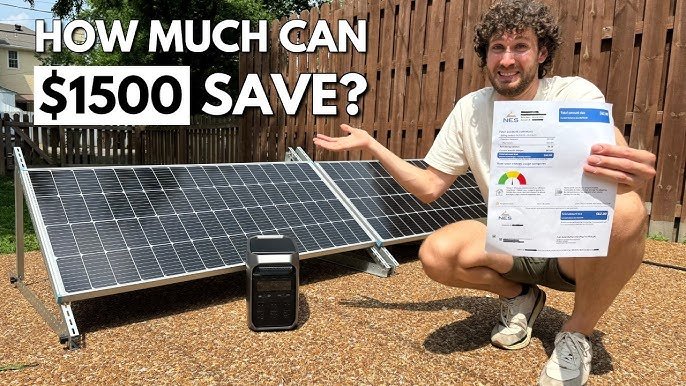
Are you considering diving into the world of solar energy? The idea of harnessing the sun’s power is more appealing than ever.
But here’s the big question: is it better to build your own solar generator? The thought might seem daunting at first, but imagine the sense of accomplishment and the potential cost savings. By taking the reins, you can tailor a solar generator to fit your exact needs and lifestyle.
You’ll uncover the pros and cons of building your own solar generator. You’ll learn whether this DIY project can truly save you money or if it’s just a headache waiting to happen. Stick with us to find out if this is the right path for your renewable energy journey.
Benefits Of Building Your Own Solar Generator
Building your own solar generator can save a lot of money compared to buying prebuilt models. You only pay for the parts you need. This cuts down on extra costs.
You can choose the right size and power for your needs. This means no wasted energy or money on too big or small setups. It fits your home or outdoor use perfectly.
Assembling the generator teaches useful skills. You learn about solar power, batteries, and wiring. This experience can help with future projects or repairs.
Making your own solar generator also helps the environment. You control what parts to use and can pick eco-friendly options. This reduces waste and carbon footprint.
Key Components Needed
Solar panelscapture sunlight and change it into electricity. Choose panels with good efficiencyand size based on power needs.
Batteriesstore energy for use when the sun is not shining. Options include lead-acidand lithium-ion. Check the capacityto match your usage time.
Charge controllersprotect batteries from overcharging. They keep the battery safe and extend its life.
Inverterschange the battery’s DC power into AC power, which most devices use. Make sure the inverter fits your power needs.
Wiring and safety equipmentconnect all parts. Use correct wire sizesand fusesto avoid accidents and power loss.
Step-by-step Assembly Process
Begin by deciding the size and parts of your solar system. Choose panels that fit your power needs. Pick batteries that store enough energy. Select a charge controller to keep batteries safe.
Solar panels should be placed where they get the most sun. Use strong mounts to hold them steady. Connect the panels with cables made for outdoor use.
Batteries and controllers need careful linking. Connect batteries in a way that matches your system’s voltage. Attach the controller between panels and batteries to stop overcharging.
The inverter changes solar power to power for your home. Wire it close to the battery bank. Use correct cables and safety fuses to prevent damage.
| Test Area | What to Check |
|---|---|
| Panels | Ensure they produce expected voltage and current |
| Batteries | Check voltage levels and connections |
| Controller | Verify it controls charging properly |
| Inverter | Test output for correct voltage and frequency |
Look for loose wires or bad connections. Fix any issues before full use. Safety first. Keep tools and instructions close.

Credit: www.jackery.com
Comparing Diy Vs Prebuilt Solar Generators
DIY solar generatorsoften cost less upfront. You buy parts separately and assemble them. Prebuilt units have a set price, which can be higher.
Performance varies more in DIY models. Quality depends on parts chosen and skill level. Prebuilt generators usually offer consistent power outputand efficiency.
Warranty on DIY systems depends on each part’s maker. Prebuilt generators come with a full warranty and customer support. This can be helpful for troubleshooting and repairs.
Portability in DIY units depends on design and parts used. Prebuilt solar generators are often compact and easy to carry. Size and weight are optimized for convenience.
Safety Tips And Precautions
Building your own solar generator demands careful handling of electrical parts to avoid shocks. Always wear safety gear and double-check connections before use. Proper ventilation and avoiding water exposure help prevent accidents.
Handling Electrical Components
Always wear insulated gloves when working with wires. Use tools with rubber handles to avoid shocks. Double-check connections before powering the system. Keep water away from all electrical parts. Never touch live wires directly.
Preventing Overcharging And Short Circuits
Use a charge controller to stop overcharging batteries. Avoid connecting wires incorrectly to prevent short circuits. Regularly inspect cables for damage or wear. Replace any faulty parts immediately to ensure safety.
Proper Ventilation And Storage
Store batteries in cool, dry places. Ensure good airflow around the battery to prevent heat build-up. Avoid direct sunlight or places with high humidity. Proper ventilation helps batteries last longer and stay safe.
Legal And Regulatory Considerations
| Aspect | Key Points |
|---|---|
| Permits | Check local rules for solar generator permits before building. |
| Safety Standards | Follow national electrical codes to avoid hazards. |
| Installation | Get inspections done by certified professionals if required. |
| Environmental Rules | Dispose of batteries following local environmental laws. |

Credit: www.youtube.com
Common Challenges And Solutions
Building a solar generator can be tricky due to technical knowledge and parts needed. Finding clear instructions and reliable components helps solve these issues. Testing the setup carefully ensures safety and better performance.
Managing Battery Life
Batterieslose power over time. To keep them healthy, avoid full drains. Use a battery chargerwith automatic cutoff. Store batteries in a cool, dry place. Regular checks help spot problems early.
Maximizing Solar Panel Efficiency
Solar panels work best with direct sunlight. Keep panels clean from dust and dirt. Tilt panels to face the sun. Use panels with high efficiency ratingsfor more power. Avoid shadows on panels.
Dealing With Weather Limitations
Cloudy and rainy days reduce power output. Use a battery bank to store extra energy. Plan for less power on bad weather days. Consider a backup power source to stay ready.
Upgrading And Maintenance
Regular maintenance keeps your system working well. Check all connections for rust or looseness. Upgrade parts like batteries and panels as technology improves. Keep a maintenance log to track work done.
Cost Breakdown And Budgeting
Estimating the cost of parts and materials is key for building a solar generator. Main parts include solar panels, batteries, a charge controller, and an inverter. Prices vary based on size and quality. Buying basic components lowers initial cost but may affect performance. Quality parts last longer and save money over time.
Hidden expenses can add up quickly. These include wiring, connectors, mounting kits, and safety gear. Shipping fees and tools for assembly might also increase the budget. Planning for these helps avoid surprise costs during building.
| Expense Type | Estimated Cost Range (USD) |
|---|---|
| Solar Panels | $150 – $600 |
| Batteries | $100 – $500 |
| Charge Controller | $20 – $100 |
| Inverter | $50 – $300 |
| Miscellaneous Parts | $30 – $150 |
Long-term savings come from lower electricity bills and backup power. The initial cost may seem high but pays off over years. Solar generators require little maintenance, lowering future expenses. Tracking energy use helps maximize savings.

Credit: www.youtube.com
Best Use Cases For Diy Solar Generators
Emergency backup powerkeeps lights and devices running during outages. DIY solar generators offer a reliable and quiet source of energy when the grid fails.
Off-grid livingmeans no connection to utility power. Building your own solar generator helps maintain electricity for daily needs in remote locations.
Outdoor activities and campingrequire portable power. A DIY solar generator charges gadgets and small appliances without fuel or noise.
Reducing household energy billslowers monthly costs. Using solar energy from a self-built generator cuts dependence on the electric company.
Frequently Asked Questions
Is Building A Solar Generator Cost-effective?
Building your own solar generator can save money compared to buying pre-made units. It allows customization to fit your power needs and budget. However, initial costs for parts and tools may be high. DIY projects require time and technical skills for best results.
How Long Does It Take To Build A Solar Generator?
The time to build a solar generator varies based on your experience and complexity of the design. Beginners may take several days, while experienced builders could finish in a few hours. Proper planning and quality components help speed up the process and ensure safety.
What Are The Main Components Of A Solar Generator?
A solar generator typically includes solar panels, a battery, a charge controller, and an inverter. These parts work together to capture, store, and convert solar energy into usable electricity. Choosing the right components is crucial for efficient and reliable power output.
Are Diy Solar Generators Safe To Use?
DIY solar generators are safe when built with quality parts and proper wiring. Following instructions and safety guidelines reduces risks like electrical shocks or fire. If unsure, consulting with an expert or electrician is recommended for a safe setup.
Conclusion
Building your own solar generator can save money and teach new skills. It offers control over parts and design. Yet, it needs time, effort, and some technical knowledge. Buying a ready-made unit is faster and easier but may cost more.
Think about your needs, budget, and patience before deciding. Either way, solar power helps reduce energy bills and supports the environment. Choose the option that fits you best.