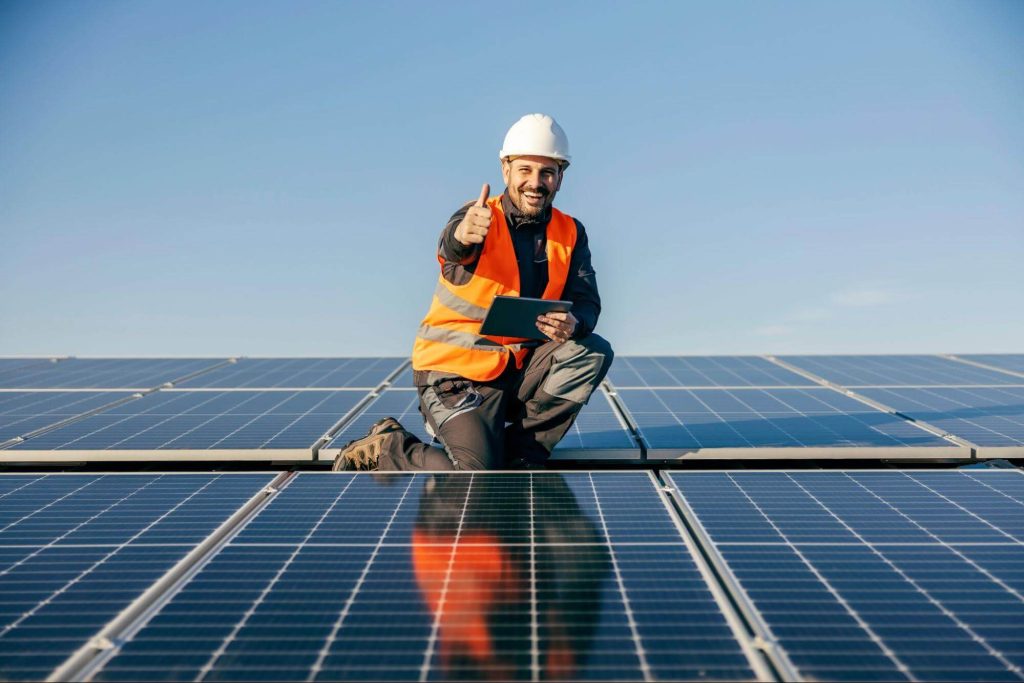
Have you ever wondered if you could start your own solar generating company? Imagine turning sunlight into a steady source of income while helping the planet.
It’s not just a dream—many people like you are making it happen. But is it really possible? And what does it take to get started? You’ll discover the key steps, challenges, and opportunities that can help you launch a successful solar business.
Keep reading, because your future in solar energy might be closer than you think.
Market Potential
Solar energy demandis growing fast worldwide. Many homes and businesses want clean power. This trend is driven by rising electricity costs and concerns about the environment.
Solar power is becoming more affordable. Technology advances make solar panels better and cheaper. Governments also offer incentives to encourage solar use. These factors create strong growth opportunitiesin the solar industry.
- Homeowners seeking lower bills and green energy
- Businesses aiming to reduce costs and carbon footprint
- Remote areas needing reliable power without grid access
- Government and public projects promoting renewable energy
These groups form the main target customersfor solar companies. Understanding their needs helps in creating better products and services.
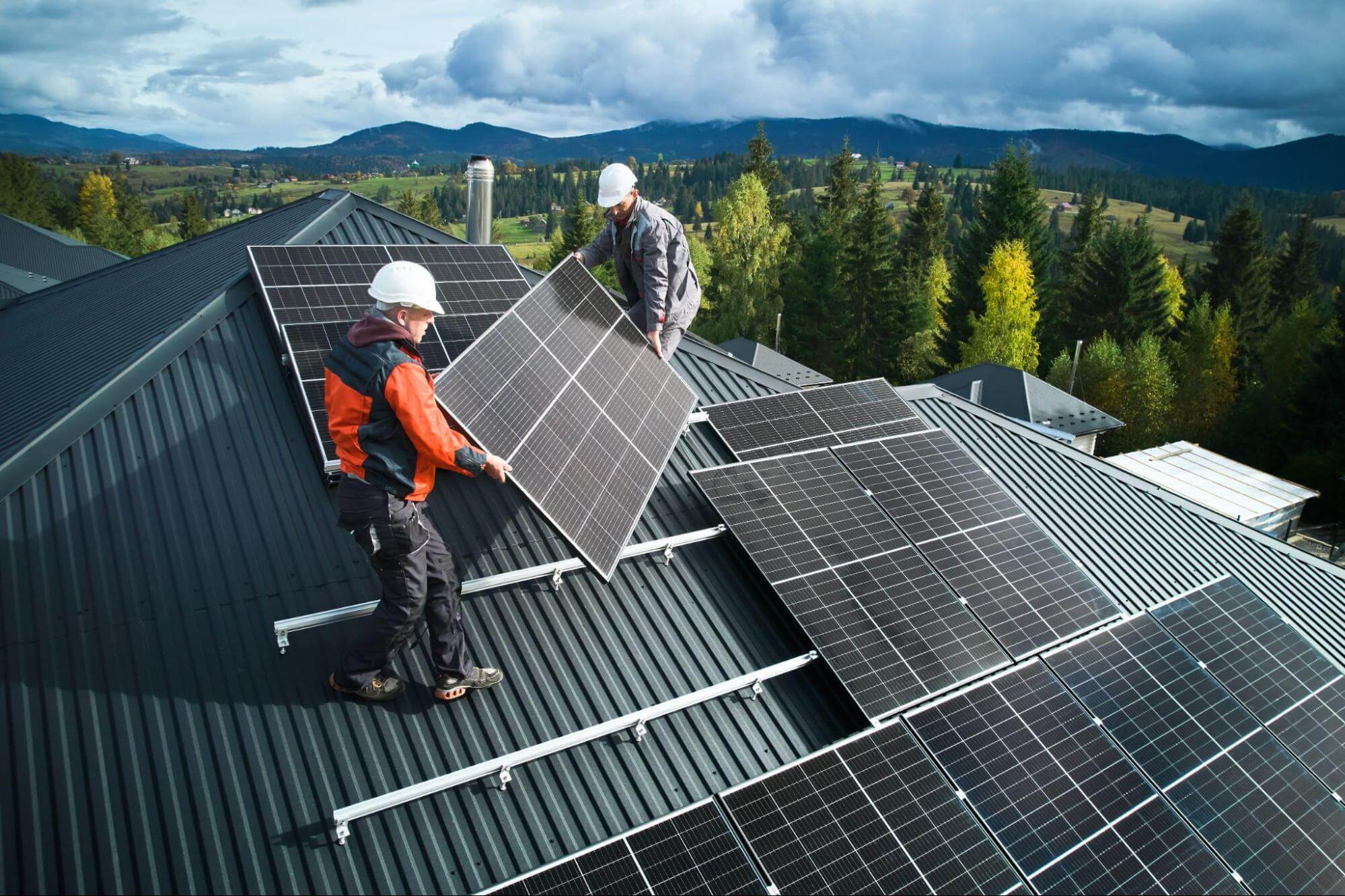
Credit: enact.solar
Business Models
Choosing a business model is key for a solar generating company. Retailmeans selling solar panels directly to customers. Wholesalefocuses on selling large amounts to other businesses. Each has different costs and profits.
Installation servicesare another option. This involves setting up solar panels at homes or businesses. It needs skilled workers and good tools. Customers often want companies that do both sales and installation.
Solar leasing and financing help customers pay over time. Leasing allows use of solar panels without buying them outright. Financing offers loans to cover the cost. These models can attract more buyers but require managing payments carefully.
Regulatory Environment
Starting a solar generating company needs many licenses and permits. These vary by country and region. Common permits include business registration, environmental clearances, and electricity generation licenses. Local authorities often manage these permits. Meeting these rules helps avoid fines and delays.
Governments often provide incentives and subsidiesto encourage solar energy use. These may include tax credits, grants, and low-interest loans. Such support lowers startup costs and improves profitability. Research available programs carefully to benefit fully.
| Compliance Area | Requirements |
|---|---|
| Safety Standards | Follow electrical and installation safety codes. |
| Environmental Laws | Ensure projects do not harm local ecosystems. |
| Reporting | Submit regular reports to regulatory bodies. |
| Quality Control | Maintain high standards for equipment and services. |

Credit: heatable.co.uk
Technology And Equipment
Selecting solar panelsdepends on efficiency, cost, and durability. Monocrystalline panels offer high efficiency but cost more. Polycrystalline panels are cheaper and less efficient. Thin-film panels are lightweight and flexible but have lower efficiency. Choose panels that fit your budget and climate.
Energy storage solutionsare key for solar power use at night or cloudy days. Batteries store extra energy for later use. Lithium-ion batteries last longer and charge faster. Lead-acid batteries are cheaper but need more maintenance. Proper storage keeps power steady and reliable.
Innovations in solar techimprove power output and reduce costs. Bifacial panels capture sunlight from both sides. Solar tracking systems move panels to follow the sun. New materials increase panel life and efficiency. Staying updated helps keep your company competitive and efficient.
Startup Costs
Starting a solar generating company needs a strong initial capital investment. This covers buying solar panels, inverters, and installation tools. Renting or buying a workspace is also part of the cost. Licensing and permits must be paid for too.
Operational expenses include maintenance, employee salaries, insurance, and utility bills. Marketing and customer service costs are important as well. Keeping good records and software tools add to expenses.
| Funding Options | Description |
|---|---|
| Personal Savings | Using your own money to start the business. |
| Bank Loans | Borrowing money with interest to cover costs. |
| Investors | Finding people to invest money for a share. |
| Grants | Funds from government or organizations that do not need repayment. |
Building A Team
Building a strong team is key for a solar generating company. Hiring technical expertsensures your projects run smoothly. These experts understand solar panels, wiring, and energy systems well. They fix problems fast and keep quality high.
Sales and marketing roles help bring in customers. Skilled salespeople explain products clearly and close deals. Marketing staff create ads and promote the company online and offline. They help build trust and brand awareness.
| Partner Type | Role | Benefits |
|---|---|---|
| Suppliers | Provide solar panels and equipment | Lower costs and reliable delivery |
| Installers | Handle on-site setup | Faster project completion |
| Maintenance | Keep systems working well | Long-term customer satisfaction |
Good partners offer quality materials and steady supply. They help your business grow smoothly. Teamwork makes the company strong and ready for challenges.
Marketing Strategies
Brand positioningmeans showing why your solar company is special. Focus on being trustworthyand eco-friendly. Use simple messages that customers easily remember. Show how your products help save money and the planet.
Digital marketing tacticsinclude using social media, websites, and online ads. Share clear photos and videos about your solar products. Use easy words so everyone understands. Regular posts keep customers interested. Online reviews build trust.
Customer educationis key to helping people learn about solar power. Offer simple guides and videos. Explain how solar energy works and its benefits. Answer common questions clearly. A well-informed customer feels confident to buy.
Challenges To Anticipate
Competition in the solar industry is strong. Many companies offer similar products and services. Standing out requires unique ideasand strong customer service.
Technical barriers include complex solar technologyand high setup costs. Skilled workers and constant learning are needed to stay updated with new tech.
Market fluctuations can affect sales. Prices of materials and government policies may change often. Planning for these changes helps keep the business stable.
| Challenge | Description | Impact |
|---|---|---|
| Competition Analysis | Many firms selling similar products | Harder to attract customers |
| Technical Barriers | Complex technology and high costs | Need skilled staff and big investments |
| Market Fluctuations | Changing prices and policies | Business stability can be affected |
Expert Tips
Scaling a solar business requires smart planning. Focus on hiring skilled staff and expanding slowly. Use efficient tools and technology to increase output. Keep costs low while growing. Find reliable suppliers to avoid delays.
Maintaining quality is key. Use high-grade solar panels and parts. Test every product before selling. Train your team on best practices. Consistency builds a strong reputation.
Building customer trust takes time. Be honest about product benefits and limits. Provide clear warranties and support. Respond quickly to questions and problems. Happy customers bring more business.

Credit: www.jjpvsolar.com
Frequently Asked Questions
What Are The First Steps To Start A Solar Generating Company?
Begin with thorough market research and business planning. Secure necessary licenses and permits. Invest in quality solar technology and build a skilled team. Focus on customer acquisition and compliance with local regulations to ensure success.
How Much Capital Is Needed To Start A Solar Company?
Initial costs vary but typically range from $50,000 to $500,000. Expenses include equipment, installation, permits, and marketing. Proper budgeting and funding options like loans or investors are crucial for sustainable growth.
What Skills Are Essential For Running A Solar Business?
Key skills include technical knowledge of solar systems, business management, sales, and customer service. Understanding renewable energy policies and financial acumen also help in navigating the industry efficiently.
Is The Solar Industry Profitable For New Businesses?
Yes, solar energy demand is growing rapidly. Profitability depends on location, competition, and operational efficiency. Offering quality services and innovative solutions can boost revenue and market share.
Conclusion
Starting a solar generating company is achievable with careful planning. Understanding market needs is key. Begin with a solid business plan. Research solar technology and regulations. Build a reliable team with expertise. Secure funding from investors or loans. Focus on sustainable practices and customer satisfaction.
Stay updated with industry trends. Challenges may arise, but persistence is crucial. Success depends on dedication and smart strategies. Solar energy offers promising opportunities. Dive in and contribute to a greener future. Your journey in solar power can inspire change and innovation.