
Have you ever wondered if using solar power on a massive scale really saves you money? With energy costs rising and the planet facing serious challenges, you might be asking yourself if investing in large solar power projects is worth it.
This article will break down the true costs and benefits of mass solar power generation, helping you understand whether it’s a smart choice for your wallet and the environment. Keep reading to discover how solar energy stacks up and what it means for your future energy bills.
Mass Solar Power Basics
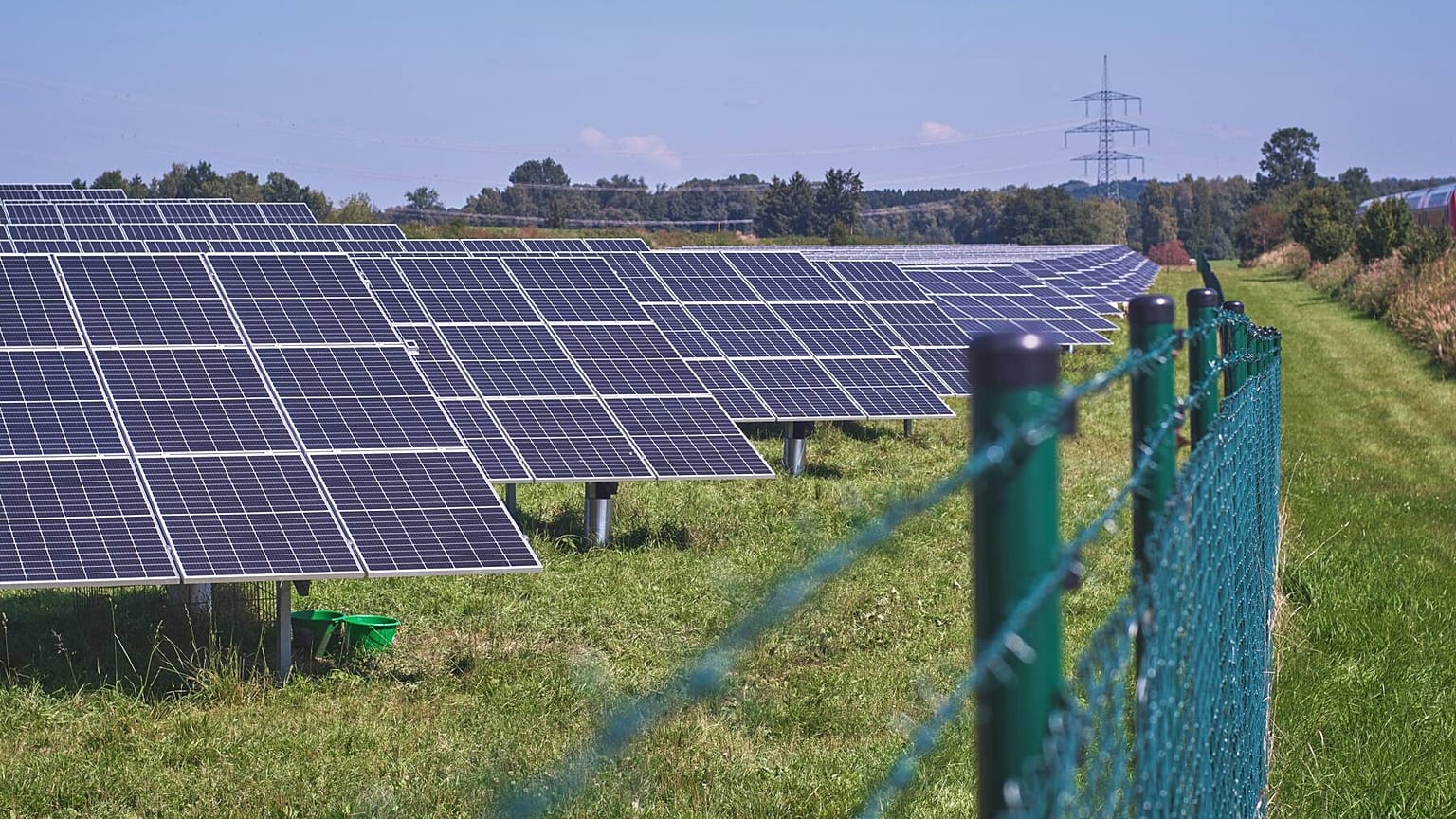
Solar farms use many solar panels to catch sunlight. These panels change sunlight into electricity. The power flows from the panels to a central place called an inverter. The inverter changes the energy into a form that homes and businesses can use.
Solar farms can be very big. They may cover many acres of land. The size helps them make more power. Bigger farms can make enough electricity for thousands of homes.
| Scale | Capacity (Megawatts) | Typical Use |
|---|---|---|
| Small | 1-5 MW | Local communities, small towns |
| Medium | 5-50 MW | Large towns, small cities |
| Large | 50+ MW | Big cities, industrial areas |
Cost Factors In Solar Power
Installation and equipment costsare a big part of solar power expenses. Solar panels, inverters, and mounting systems cost money upfront. Prices can drop with more projects and better technology. Skilled workers are needed to set up the system safely and correctly.
Maintenance expenseskeep the solar plant running smoothly. Cleaning panels and checking equipment regularly is necessary. Repairs can add to costs but are usually low compared to installation. Proper upkeep can extend the system’s life.
| Cost Factor | Details |
|---|---|
| Land | Needs to be flat and sunny. Costs depend on location and size. |
| Infrastructure | Includes roads, fences, and power lines. Necessary for access and operation. |
Comparing Solar To Traditional Energy
Solar powergenerally has a lower cost per kilowatt hourcompared to fossil fuels. The initial setup cost is high, but the energy generated is free. Traditional energy sources like coal or gas have ongoing fuel expenses. These costs often rise over time.
Operational costs for solar systems are usually low. They need little maintenance and no fuel. Traditional plants require constant fuel buying and equipment upkeep, which adds to expenses.
| Aspect | Solar Power | Traditional Energy |
|---|---|---|
| Fuel Costs | None after setup | High and variable |
| Operational Costs | Low | High |
| Environmental Impact | Very low emissions | High emissions |
| Long-term Savings | Significant | Limited |
Choosing solar saves money and helps the planet. It reduces pollutionand cuts greenhouse gas emissions. Traditional energy harms air quality and climate. Solar energy’s environmental impact savingsare a big advantage.

Credit: news.mit.edu
Economic Benefits Of Solar Power
Solar power creates many jobsin manufacturing, installation, and maintenance. This helps local communities grow and lowers unemployment rates.
Energy independenceis another benefit. Using solar energy reduces the need to buy fuel from other countries. This keeps energy costs stable and secure.
Long-term financial gainscome from lower electricity bills and less maintenance. Solar panels last many years, saving money over time. This makes solar power a smart choice for the future.
Challenges Affecting Cost Effectiveness
Intermittencyof solar power means sunlight is not always available. This causes energy supply gaps. Energy storage systemslike batteries help, but they add extra costs. Storing power for night or cloudy days is still expensive.
Integrating solar power into the grid requires upgrades. These include better infrastructureand smart grids. Costs rise due to complex managementof variable solar energy. Balancing supply and demand becomes harder and costly.
| Policy and Subsidies | Impact on Cost |
|---|---|
| Government incentives | Lower initial investment costs |
| Changing policies | Create uncertainty for investors |
| Subsidy removal | Raises overall project costs |
Credit: www.euronews.com
Technological Advances Driving Savings
Solar panels now capture more sunlight. This means they produce more electricity with less space.
Energy storage systems keep power for cloudy days or night use. This reduces waste and cost.
Smart grids help balance electricity supply and demand. They make sure energy is used where needed most.
| Technology | Benefit |
|---|---|
| Improved Panel Efficiency | More power from the same sunlight |
| Energy Storage Solutions | Stores power for use anytime |
| Smart Grid Technologies | Better energy use and less waste |
Case Studies Of Mass Solar Projects
Many large solar projects show that mass solar powercan be cost effective. Some projects finished under budget and on time. These projects prove solar power can compete with other energy types.
Cost overruns happen when planning is weak or materials are expensive. Delays also raise costs. Careful management helps avoid these issues. Learning from past projects cuts risks.
| Region | Cost per MW (USD) | Notes |
|---|---|---|
| North America | $1,000,000 – $1,200,000 | High labor costs but good solar resources |
| Europe | $1,200,000 – $1,400,000 | More regulation, higher grid connection costs |
| Asia | $700,000 – $900,000 | Lower labor costs, fast project timelines |

Credit: sciencebusiness.net
Frequently Asked Questions
Is Mass Solar Power Cheaper Than Traditional Energy?
Mass solar power reduces costs through economies of scale and lower installation expenses. It often offers cheaper electricity than fossil fuels over time, especially with declining solar panel prices and government incentives.
What Factors Affect The Cost-effectiveness Of Solar Power?
Cost-effectiveness depends on sunlight availability, installation size, panel efficiency, and maintenance costs. Location, government subsidies, and energy prices also play key roles in determining overall savings from solar power.
How Long Does It Take For Solar Power To Pay Off?
Typically, solar power systems pay off in 5 to 10 years. This varies by system size, local energy rates, and available incentives, making solar a cost-effective long-term investment.
Can Mass Solar Power Compete With Fossil Fuels?
Yes, mass solar power is increasingly competitive as solar technology improves and fossil fuel prices rise. It offers clean, renewable energy with lower environmental impact and stable long-term costs.
Conclusion
Mass solar power generation offers many cost benefits. It’s a sustainable choice. Solar energy reduces electricity bills over time. Initial costs can be high, though. Government incentives help offset these expenses. Solar technology improves, making it more affordable. Environmental benefits are significant.
Solar power lowers carbon footprints. Many countries invest heavily in solar infrastructure. This boosts job creation and economic growth. Solar power is a wise, long-term investment. It supports global efforts to combat climate change. So, choosing solar benefits both your wallet and the planet.