
When it comes to choosing the right engine for your standby generator, the options can seem overwhelming. You’ve likely heard the term “OEM” tossed around in discussions about engines, but what does it really mean for you and your generator?
Should you trust an Original Equipment Manufacturer (OEM) engine to keep your lights on during a power outage? The decision is crucial, and it directly impacts the performance and reliability of your backup power system. In this blog post, we’ll delve into whether an OEM engine is the best choice for your standby generator.
We’ll explore the advantages, potential drawbacks, and what it means for your peace of mind and investment. Stick around to uncover the facts that will help you make an informed decision and ensure your generator is always ready when you need it most.

Credit: aisenpower.en.made-in-china.com
Oem Engines In Standby Generators
OEMstands for Original Equipment Manufacturer. It means the engine is made by the same company that built the generator. These engines are designed to fit perfectly and work well with the generator system.
OEM engines often have better quality controland come with a warranty that matches the generator. This can mean fewer problems and easier repairs. They are tested to meet the exact needs of the generator.
Using an OEM engine can help keep the generator reliableand efficient. Parts and service support are usually easier to find.
| Common OEM Brands | Known For |
|---|---|
| Honda | Durability and fuel efficiency |
| Kohler | Strong performance and reliability |
| Briggs & Stratton | Easy maintenance and wide availability |
| Cummins | High power and long lifespan |
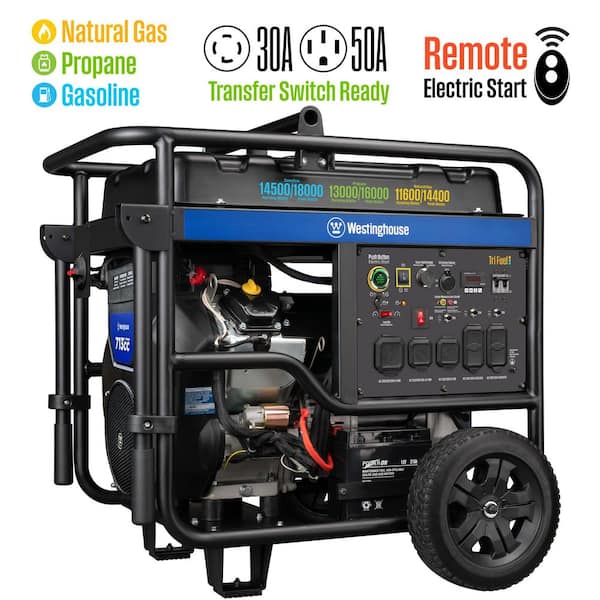
Credit: www.homedepot.com
Reliability Factors Of Oem Engines
OEM enginesare known for their high build quality. They use parts made to fit perfectly and last longer. This means the engine can handle tough conditions without breaking easily. Such durability is key for standby generators that must work during emergencies.
Performance consistencyis another strong point of OEM engines. They deliver steady power output without sudden drops. This ensures your generator runs smoothly when needed most, avoiding interruptions.
Maintenance is usually easier with OEM engines. Their design allows quick access to parts, making repairs faster. Service centers also know these engines well, so finding help is simple and reliable.
Comparing Oem Engines With Aftermarket Alternatives
OEM enginesare usually more expensive than aftermarket options. This is because they come directly from the original manufacturer. Aftermarket engines may cost less but might not always fit perfectly.
OEM engines often include a full warrantyand strong customer support. This gives peace of mind if problems happen. Aftermarket engines sometimes have shorter warranties or limited support.
| Feature | OEM Engine | Aftermarket Engine |
|---|---|---|
| Cost | Higher | Lower |
| Warranty | Usually full and longer | Limited or shorter |
| Compatibility | Perfect fit and integration | May require adjustments |
| Support | Strong manufacturer support | Varies by brand |

Credit: genspark.en.made-in-china.com
Power Output And Efficiency
OEM enginesusually offer steady power outputsuitable for standby generators. They work well under varied loads, giving reliable energy during outages. Efficiency is important to save fuel and reduce costs.
Fuel consumption ratesvary based on engine design and load size. OEM engines often balance fuel use with power needs, making them cost-effectiveover time. Lower fuel consumption means fewer refills and less pollution.
| Load Level | Fuel Consumption | Efficiency |
|---|---|---|
| Low | Minimal | High |
| Medium | Moderate | Optimal |
| High | Higher | Good |
- Load handlingis key for standby use.
- OEM engines adapt well to sudden power needs.
- They maintain stable voltage and frequency under load.
- Good load handling avoids generator damage and downtime.
User Experiences And Reviews
Many users praise the OEM enginefor its durabilityand reliability. It often starts quickly and runs smoothly during power outages. The engine’s fuel efficiencyhelps save money over time. Quiet operation is another common positive point. Maintenance is simple and parts are easy to find. This engine fits well with most standby generator brands, making it a popular choice.
Some complaints include occasional overheatingduring long use. A few users report noise levelshigher than expected. Others mention difficulty in repairsif not familiar with the engine. Some find the initial costa bit high compared to alternatives. Still, most problems appear rare and often linked to improper use or maintenance.
Choosing The Right Engine For Your Standby Generator
Choosing the right engine for a standby generator means knowing your power needs. Think about the total watts your home or business uses. This helps find an engine that runs smoothly without strain.
Consider how often you will use the generator. More use means picking a durable and reliable engine. OEM engines often fit well because they match the generator’s design perfectly.
Long-term costs matter too. Look beyond the upfront price. Maintenance, fuel use, and parts availability can add up over time. OEM engines usually have better support and easy access to parts.
| Factor | OEM Engine | Non-OEM Engine |
|---|---|---|
| Compatibility | High – Designed for generator | Varies – May need adjustments |
| Maintenance | Easy – Parts readily available | Harder – Parts may be scarce |
| Cost | Higher upfront, lower long-term | Lower upfront, higher long-term |
| Reliability | Consistent performance | Can vary |
Frequently Asked Questions
What Makes Oem Engines Suitable For Standby Generators?
OEM engines are designed for reliability and durability. They match generator specifications perfectly, ensuring optimal performance and longevity. OEM parts maintain warranty and reduce breakdown risks. They offer consistent power output, making them ideal for standby power solutions.
How Does Oem Engine Quality Compare To Aftermarket Engines?
OEM engines have higher quality control standards than aftermarket ones. They use original parts designed for specific generators. This ensures better compatibility, efficiency, and durability. Aftermarket engines may lack precision and could void warranties. OEM engines provide peace of mind and long-term value.
Are Oem Engines Cost-effective For Standby Generators?
OEM engines may cost more upfront but save money over time. They reduce maintenance needs and prevent frequent repairs. Higher efficiency lowers fuel consumption, cutting operational costs. Investing in OEM engines ensures reliable power during outages, making them cost-effective in the long run.
Can Oem Engines Improve Standby Generator Performance?
Yes, OEM engines optimize generator performance through precise engineering. They ensure smooth operation and consistent power delivery. OEM engines also enhance fuel efficiency and reduce emissions. Using OEM engines helps maintain the generator’s rated capacity during power outages.
Conclusion
OEM engines offer reliable performance for standby generators. They fit well with original generator designs. Maintenance is usually easier and parts are more available. These engines often provide good fuel efficiency and durability. Choosing an OEM engine can save time and reduce problems.
It makes your generator work smoothly during outages. Consider your budget and needs before deciding. OEM engines remain a solid choice for most users. Simple, dependable power when you need it most.