
Considering replacing the engine in your standby generator? You might be wondering if it’s worth the effort, time, and cost.
Picture this: a sudden power outage, and your generator fails. Frustration sets in, doesn’t it? You rely on your generator to keep your home or business running smoothly during unexpected blackouts. The engine is its heart and soul, so ensuring it’s in top shape is crucial.
But is replacing it the best option for you? This article will guide you through the ins and outs, helping you make an informed decision. Stick around, as we unravel the mystery and make the complex simple. Your peace of mind could depend on it.
Benefits Of Engine Replacement
Replacing the enginein a standby generator can lead to better performance. The new engine runs smoother and starts faster. This means the generator is ready when needed most.
Fuel efficiency improveswith a new engine. It uses less fuel to produce the same power. This helps save money and reduces the need for frequent refueling.
Emissions dropafter engine replacement. Cleaner engines produce fewer harmful gases. This is good for the environment and can meet stricter rules.

Credit: www.generac.com
Signs Your Generator Needs A New Engine
Frequent breakdownsare a clear sign your generator engine is failing. Repairs may become costly and frequent. This reduces reliability during power outages.
Decreased power outputmeans your generator cannot meet power demands. The engine may be worn out or damaged. It struggles to run appliances and tools properly.
Excessive fuel consumptionshows the engine is inefficient. It burns more fuel than usual, raising operating costs. Fuel waste also harms the environment.
Choosing The Right Engine
Choosing the right engine means checking its compatibilitywith your standby generator. The engine must fit the generator’s design and power needs. Engines come in different types, such as gasoline, diesel, and propane. Each type has its own benefits and limits.
Budget plays a key role. Some engines cost more but offer longer life or better fuel use. Warranty terms also matter. A good warranty can save money on repairs and give peace of mind.
| Engine Type | Features | Budget | Warranty |
|---|---|---|---|
| Gasoline | Easy start, common fuel | Low to medium | 1-2 years |
| Diesel | Fuel efficient, durable | Medium to high | 3-5 years |
| Propane | Clean burning, reliable | Medium | 2-4 years |
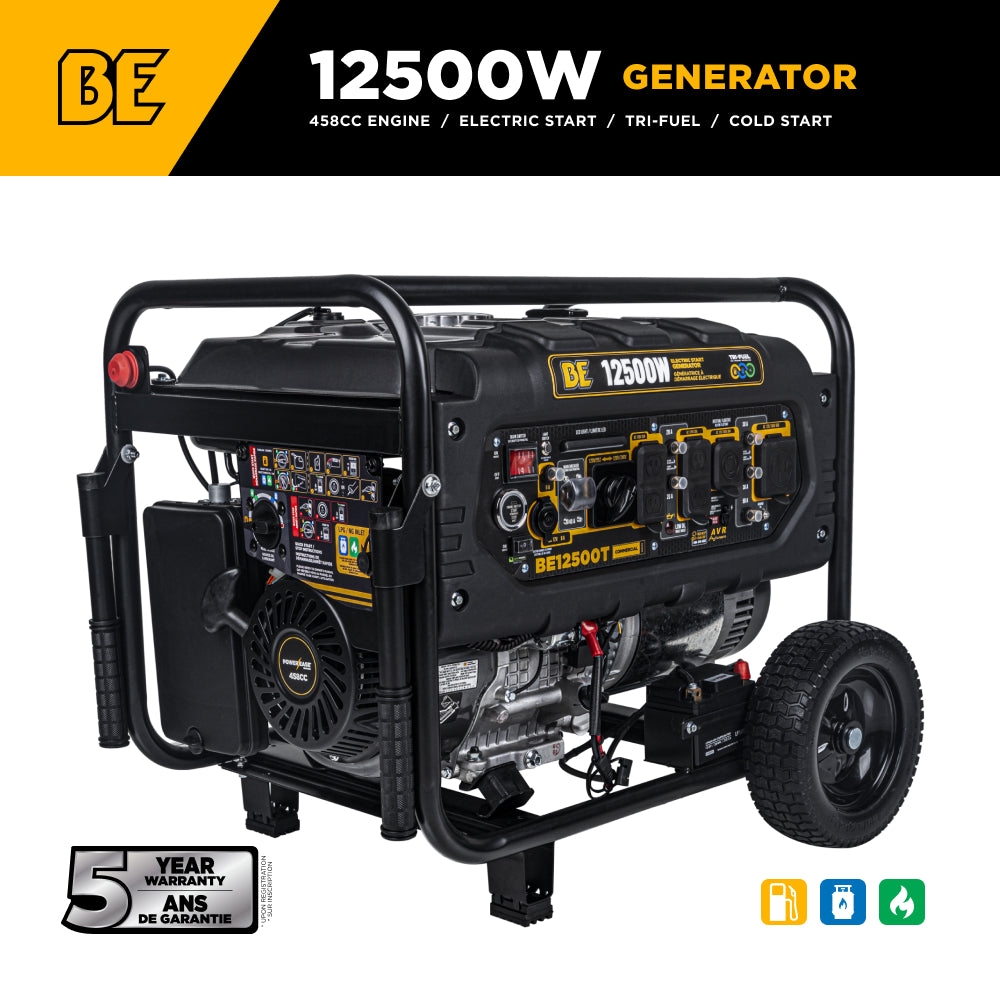
Credit: bepowerequipment.com
Preparing For The Replacement
Check the generator’s current condition carefully. Look for signs of wear, leaks, or damage. Note the engine’s performance issues or noises. This helps decide if replacement is needed.
Collect all tools and parts before starting. Common tools include wrenches, screwdrivers, and pliers. Parts might include the new engine, gaskets, and bolts. Having everything ready saves time.
- Wear safety gloves and goggles.
- Turn off the generator and disconnect power.
- Work in a well-ventilated area.
- Keep fire extinguishers nearby.
- Follow manufacturer’s safety guidelines.
Step-by-step Replacement Process
Disconnect the battery and fuel lines first. Drain all oil and coolant from the engine. Remove bolts holding the engine in place. Carefully lift the engine out using a hoist or forklift. Keep track of all small parts and screws.
Place the new engine on the mount. Align it properly to avoid damage. Tighten bolts securely but do not overtighten. Reconnect fuel lines, wiring, and battery cables. Fill the engine with fresh oil and coolant.
Start the engine and let it run for a few minutes. Check for leaks or strange noises. Adjust settings to match the generator’s requirements. Test the generator under load to ensure proper function. Make sure safety switches work correctly.

Credit: westinghouse.com
Common Challenges And Solutions
Fitting issueshappen when the new engine does not match the old one. Parts may not line up well. This can cause leaks or poor performance. Adjustments to mounts and brackets often fix this. Measuring carefully before the swap helps avoid surprises.
Electrical connectionsneed close attention. Wires may have different connectors or positions. Wrong wiring can stop the generator from working or cause damage. Label wires before disconnecting. Use a wiring diagram for correct reconnection.
Engine tuningensures the generator runs smoothly. A new engine might need different fuel or air settings. Tuning affects power output and fuel use. Test the engine after installation. Adjust the settings for best performance and less smoke.
Maintenance Tips After Replacement
Regular inspections help catch problems early. Check for leaks, loose parts, and corrosion. Make sure the engine runs smoothly and quietly. Keep the generator area clean and dry to avoid damage.
Oil and filter changes keep the engine healthy. Use the right oil type and change it after the first 50 hours. Replace the oil filter at the same time. Clean filters prevent dirt from harming the engine.
Monitoring performance shows if the engine works well. Watch for unusual sounds or smells. Check fuel levels and battery charge often. Test the generator under load to ensure it runs properly.
Cost Considerations And Roi
Upfront costsinclude engine price, labor, and downtime expenses. Replacing an engine is usually cheaper than buying a new generator. Still, costs vary by model and engine type.
Long-term savingscome from better fuel use and fewer repairs. A new engine can make the generator run more efficiently. This reduces fuel bills and avoids costly breakdowns.
The impact on generator lifespandepends on engine quality and installation. A good replacement engine can add years to the generator’s life. Poor installation or low-quality parts may cause early failure.
When To Consult Professionals
Complex upgrades often need expert help. Engines must fit perfectly with the generator. Wrong parts can cause damage or poor performance. Experts know the right parts and tools. They also have experience with tricky installations.
Warranty concerns are important too. Replacing the engine yourself may void the warranty. Professionals can keep your warranty safe. They follow rules set by the manufacturer. This protects your investment and future repairs.
Safety and compliance cannot be ignored. Generators must meet local laws and codes. Professionals ensure the work is safe and legal. They use proper safety gear and testing. This reduces risks of accidents and fines.
Frequently Asked Questions
Can I Replace The Engine In My Standby Generator?
Yes, you can replace the engine in a standby generator. It may extend the generator’s life and improve performance. Always ensure compatibility and consult a professional technician for proper installation.
How Much Does Engine Replacement Cost For A Generator?
Engine replacement costs vary by generator size and engine type. Typically, costs range from $1,000 to $3,500. Labor and parts quality also affect the total price. Get quotes from certified repair shops for accurate estimates.
When Should I Replace The Engine In A Standby Generator?
Replace the engine if it shows frequent failures, low power output, or excessive smoke. Regular maintenance can delay replacement. Consult a professional if your generator has over 2,000 hours or persistent engine issues.
Is Engine Replacement Better Than Buying A New Generator?
Engine replacement is often cheaper than a new generator. It’s ideal if the generator’s frame and parts are in good condition. However, consider a new generator if multiple components fail or technology upgrades are needed.
Conclusion
Replacing the engine in a standby generator can save money and extend its life. It needs careful planning and the right parts to work well. Regular checks and maintenance keep the generator ready for power outages. Choose a skilled technician to handle the job safely and correctly.
This keeps your generator reliable when you need it most. Consider all factors before deciding to replace the engine. A smart choice helps avoid future problems and keeps your power steady.