
Have you ever wondered where solar energy really comes from? You might think it’s just a buzzword, but it’s actually power generated directly by the sun.
Understanding how solar energy works can change the way you think about your electricity bills and the future of our planet. You’ll discover the simple truth behind solar energy and why it matters to you. Keep reading—you’re about to unlock the secret to cleaner, cheaper energy right above your head.
How Solar Energy Works
The Sunis a giant ball of hot gases that gives off lightand heat. This energy travels through space to Earth in the form of solar radiation. Solar energy is cleanand renewable, meaning it won’t run out.
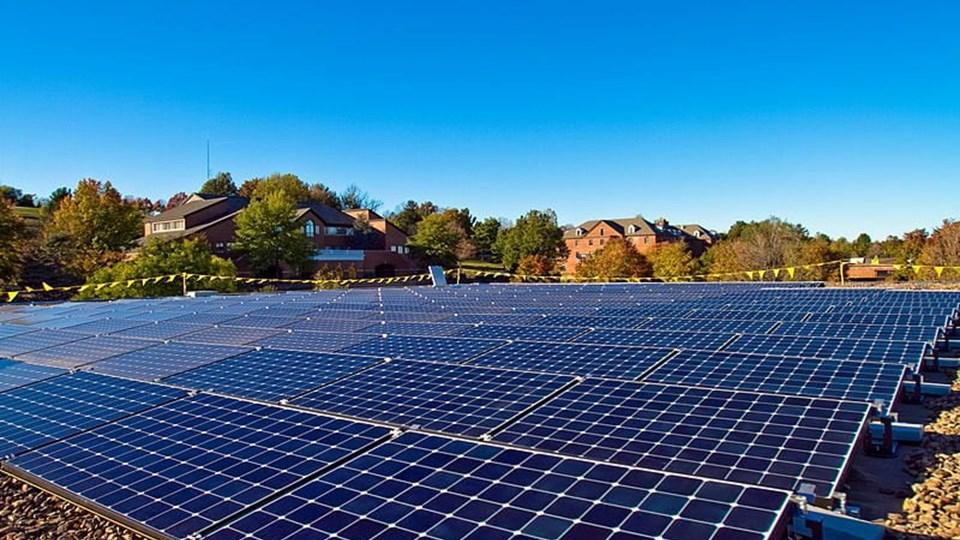
Solar panels capture sunlight using special materials called photovoltaic cells. These cells turn sunlight into direct current (DC) electricity. The DC electricity then passes through an inverter, which changes it into alternating current (AC) electricitythat homes and businesses can use.
This process helps reduce the use of fossil fuelsand lowers electric bills. Solar energy works even on cloudy days, but it is strongest when the sun shines bright.
Credit: www.gba.org
Types Of Solar Energy
Photovoltaic systemsuse solar panels to change sunlight into electricity. These panels have many small parts called solar cells. Each cell turns sunlight into electric power. This power can run homes, schools, and small businesses. Photovoltaic systems work best in places with clear, sunny weather.
Solar thermal systemsuse the sun’s heat instead of light. These systems collect sunlight to warm water or air. The warm water can be used for showers, heating rooms, or swimming pools. Solar thermal systems are simple and often cheaper than photovoltaic systems.
Benefits Of Solar Energy
Solar energyhelps keep the earth clean by cutting down pollution. It does not create smoke or harmful gases. This means less damageto the air we breathe and the plants around us.
Using solar power can save a lot of money on electricity bills. Once the solar panels are installed, the sunlight is free. This lowers monthly costs and helps families and businesses keep more money.
Solar energy gives people freedomto make their own power. It reduces the need to depend on power companies or fuel supplies. This makes energy more reliable, especially in places with frequent outages.
Credit: belectric.com
Common Myths About Solar Energy
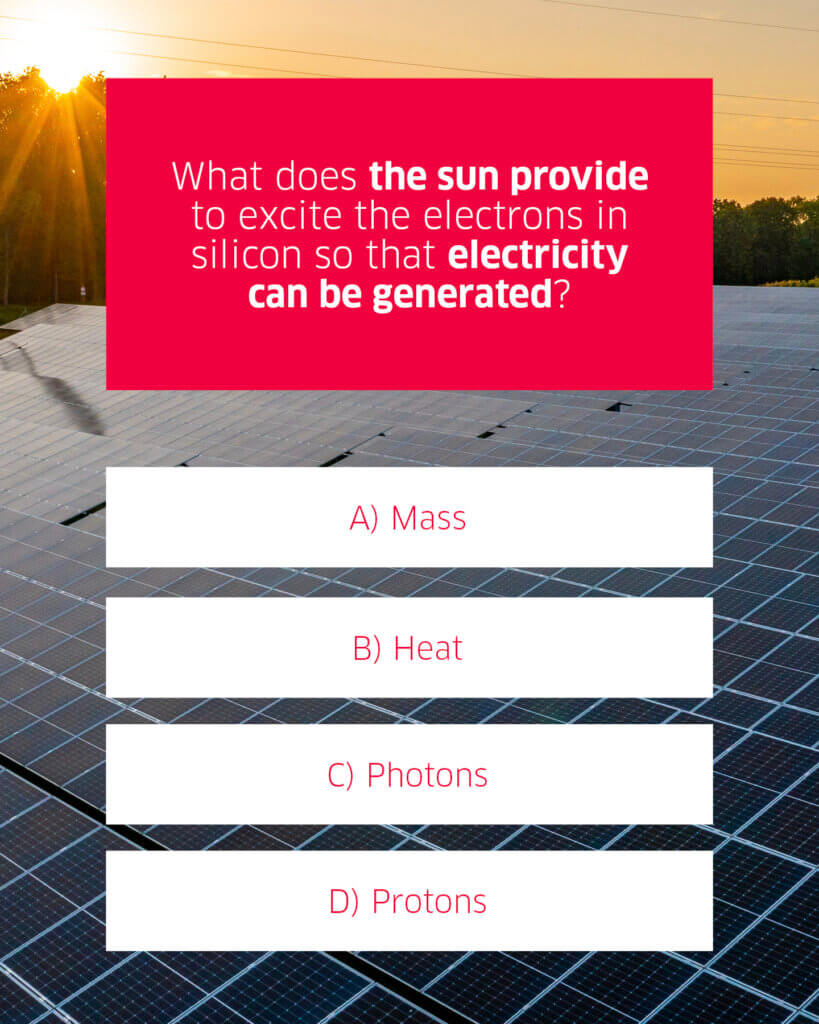
Solar energycan still produce power in cold or cloudy weather. Solar panels work by capturing sunlight, not heat. So, even on cloudy days, they generate energy, just less than on sunny days. Snow can reflect sunlight, which helps panels work better sometimes.
Solar panels are built to work in many climates. They are tested for cold, heat, and rain. This means they are quite reliablethroughout the year. Many homes in cold places use solar power successfully.
- Cloudy days reduce output but do not stop it.
- Solar panels work well in cold temperatures.
- Snow and ice can be cleaned off to improve efficiency.
- Battery storage can keep power available during low sunlight.
Future Of Solar Energy
Solar panels are becoming more efficientand affordable. New materials help capture more sunlight. Innovations like solar batteriesstore energy for night use. Some technologies use solar windowsto generate power. These advances make solar energy easier to use every day.
| Region | Solar Energy Use | Growth Rate |
|---|---|---|
| Asia | Very High | Fast |
| Europe | High | Moderate |
| North America | Moderate | Growing |
| Africa | Low | Increasing |
Countries use solar energy to reduce pollutionand save money. Solar power helps provide energy in remote areas. Many governments support solar through incentives. The future looks bright for solar energy worldwide.

Credit: www.reliance-foundry.com
Frequently Asked Questions
What Is Solar Energy Generated By The Sun?
Solar energy is produced by the sun’s rays through nuclear fusion. It emits light and heat, which we capture using solar panels to convert into electricity or heat for various uses.
How Does The Sun Produce Solar Energy?
The sun generates energy via nuclear fusion, where hydrogen atoms combine to form helium. This process releases immense energy as sunlight, which reaches Earth and powers solar technologies.
Can Solar Energy Be Stored For Later Use?
Yes, solar energy can be stored using batteries. These batteries store electricity generated by solar panels, ensuring power availability during nighttime or cloudy days when sunlight is unavailable.
Is Solar Energy Sustainable And Environmentally Friendly?
Solar energy is renewable and clean. It produces no greenhouse gases during use, reducing carbon footprint and helping combat climate change. It is a sustainable energy source for the future.
Conclusion
Solar energy comes directly from the sun. It powers our homes and gadgets. This energy is clean and endless. It helps reduce electricity bills too. Many people are switching to solar energy. Why? It’s eco-friendly and sustainable. The sun provides a reliable power source.
No pollution involved. So, choosing solar energy benefits the environment. It’s a smart choice for a greener future. Embrace solar energy today. Enjoy its benefits for years to come.