
Are you tired of unexpected power outages disrupting your daily life? Choosing the right backup power source can make all the difference.
But is solar power better than a generator for your needs? Understanding the pros and cons of each option can save you money, reduce hassle, and give you peace of mind when the lights go out. Keep reading to discover which solution fits your lifestyle and how it can protect your home and family.
Solar Power Basics
Solar panelscapture sunlight and turn it into electricity. This happens through photovoltaic cellsinside the panels. These cells create direct current (DC) electricity. An inverter changes DC into alternating current (AC) for home use. Solar panels work best with direct sunlightbut can still generate power on cloudy days.
There are different types of solar systemsto choose from:
- Grid-tied systems:Connected to the electric grid, allowing you to use solar power and grid power.
- Off-grid systems:Independent systems with batteries to store energy.
- Hybrid systems:Combine solar panels, batteries, and grid power for more flexibility.
| Factor | Details |
|---|---|
| Initial Costs | Solar panels and installation can be expensive upfront. |
| Installation | Requires roof space and proper positioning for sunlight. |
| Long-term Savings | Lower electricity bills over time, saving money. |
Generator Essentials
Generators work by burning fuel to create electricity. They have an engine that turns a generator coil. This coil makes electric power for your home or tools. Generators start fast and can power many devices at once.
Fuel types include gasoline, diesel, propane, and natural gas. Gasoline is easy to find but stores poorly. Diesel lasts longer but needs special care. Propane and natural gas are cleaner but may not be available everywhere.
Generators come in many sizes and weights. Portable models have handles or wheels for moving. Setup usually means adding fuel and plugging in devices. Some need regular maintenance like oil changes and filter cleaning. Large generators are heavier and need more space.
Cost Comparison
Solar powerusually costs more at the start than a generator. Solar panels and batteries need a bigger upfront payment. Generators are cheaper to buy but need fuel to run. Fuel prices can add up over time.
Maintenance for solar panels is low. You just clean them sometimes and check the system. Generators need oil changes, parts replacement, and regular checks. This makes generator upkeep more costly and time-consuming.
| Aspect | Solar Power | Generator |
|---|---|---|
| Upfront Cost | High (panels, batteries) | Low (purchase price) |
| Maintenance | Low (cleaning, checks) | High (oil, parts, repairs) |
| Fuel Cost | None | Continuous expense |
| Long-Term Savings | Significant | Limited |
Solar power saves money over many years. No fuel bills mean steady savings. Generators cost more over time due to fuel and repairs.
Environmental Impact
Solar powercreates energy using sunlight. It does not produce carbon dioxide or other harmful gases. Generatorsburn fuel, which releases carbon dioxideand other pollutants. This adds to the carbon footprint, which harms the environment.
Generators are noisy and produce smoke. This causes air pollutionand noise pollution. Solar panels work silently and do not emit any smoke or noise. This makes solar power much cleaner and quieter.
Solar energy is a renewable resource. The sun will keep shining for billions of years. Generators need fuel like gasoline or diesel, which can run out. This makes solar power more sustainableand better for the long term.
Energy Reliability
Solar powerprovides steady energy during daylight hours. It depends on sunlight, so at night, power stops unless you use batteries. Generatorsgive constant power anytime if they have fuel.
Solar panels work best in sunny weather but less well on cloudy days. Generators run well in all weather but need fuel to keep going. Fuel can run out or be hard to get during storms.
Backup poweris key for emergencies. Generators start quickly and give strong power for long hours if fueled. Solar systems need battery storage to keep power after dark or in bad weather.
| Aspect | Solar Power | Generator |
|---|---|---|
| Power Output | Consistent in sunlight, stops at night without batteries | Consistent anytime with fuel |
| Weather Performance | Less effective on cloudy or rainy days | Works well in all weather |
| Backup Ability | Needs batteries for backup power | Runs as long as fuel lasts |
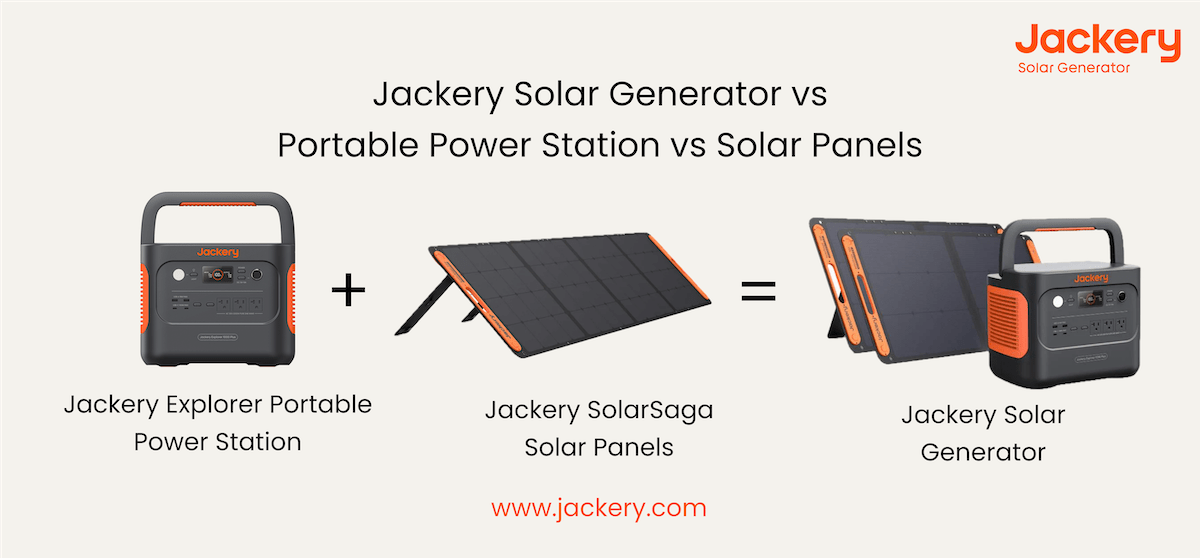
Credit: www.jackery.com
Convenience And Usage
Solar poweris very simple to use. Just set up the panels and turn on the system. It needs little effort daily.
Generatorsrequire fuel and careful handling. They need starting and stopping each time you use them.
| Aspect | Solar Power | Generator |
|---|---|---|
| Fuel Storage | No fuel needed | Need to store gasoline or diesel safely |
| Handling | No handling of fuel | Must handle fuel carefully to avoid spills |
| Space | Needs roof or yard space for panels | Needs small space for the machine and fuel |
Safety Considerations
Generatorscan cause carbon monoxide poisoning if used indoors. They also pose fire risks from fuel spills. Solar poweravoids these hazards as it uses sunlight and has no fuel.
Both systems must follow safety rules. Generators need proper ventilationand fuel storage. Solar panels require correct installationto prevent electric shock.
- Keep generators away from windows and doors.
- Do not store fuel near generators.
- Use certified solar equipment for safety.
- Regularly check wiring and connections.
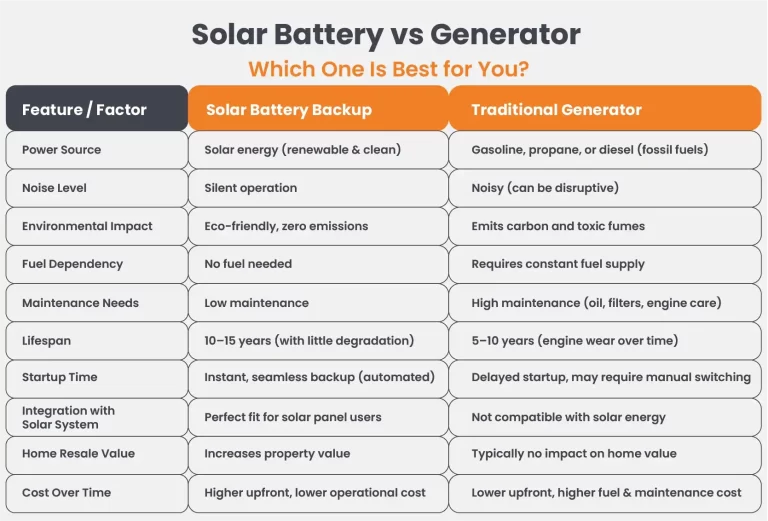
Credit: solarsme.com
Best Use Cases
Solar power works well for homes needing quiet, clean energy all day. Generators suit short-term use during power outages or outdoor trips. Each fits different needs based on energy source and usage time.
Ideal Scenarios For Solar
Solar powerworks best in places with lots of sunlight. It is great for homes aiming to reduce electricity bills. Solar panels need minimal careonce installed. They provide clean energywithout noise or fumes. Perfect for remote areaswhere fuel delivery is hard. Solar energy suits those who want long-term savingsand environmental benefits.
When Generators Shine
Generatorsare useful for quick power needs. They work well during power outagesor bad weather. Generators run on gas or diesel, so fuel availability matters. Good for places with low sunlightor high power demand. They can power heavy appliancesand toolsinstantly. Generators provide reliable backupwhen solar panels cannot.
Combining Both Systems
Using solar panels and generatorstogether offers flexibility. Solar covers daily energy needs, saving fuel. Generators act as backupduring long nightsor cloudy days. This mix gives continuous powerand reduces emissions. Ideal for places with variable sunlightor emergency needs. Combining helps balance cost and reliability.

Credit: www.tycorun.com
Frequently Asked Questions
What Are The Benefits Of Solar Power?
Solar power is sustainable and eco-friendly. It reduces carbon footprints and energy bills. With solar, you harness renewable energy. It’s a long-term investment with minimal maintenance. Solar systems offer independence from grid fluctuations and potential energy cost spikes.
Is Solar Power More Cost-effective Than Generators?
Yes, solar power is generally more cost-effective long-term. Initial setup costs are high, but savings accrue over time. Solar panels have low maintenance costs compared to fuel expenses for generators. Plus, incentives and tax credits can reduce upfront expenses significantly.
How Reliable Is Solar Energy Compared To Generators?
Solar energy is reliable with consistent sunlight. It offers continuous power with battery storage, even during cloudy days. Unlike generators, it doesn’t rely on fuel supply. However, solar’s effectiveness can vary by location and weather conditions.
Can Solar Panels Work During A Power Outage?
Yes, with battery storage, solar panels can provide power during outages. Batteries store excess energy generated during the day for use at night or during outages. Without batteries, solar panels shut down for safety during grid outages.
Conclusion
Solar power offers clean, quiet energy without fuel costs. Generators provide quick power but need fuel and make noise. Solar panels work best with sunlight and take time to charge. Generators give instant power, useful in emergencies. Choosing depends on your needs, budget, and environment.
Both have pros and cons worth weighing. Think about long-term savings and convenience. Solar power suits daily use and nature lovers. Generators fit occasional, high-power needs. Decide what fits your lifestyle and situation best.