
Are you curious about solar power and whether it really generates electricity? You’re not alone.
With energy costs rising and environmental concerns growing, more people are looking for sustainable solutions. Solar power is one option that’s gaining attention, but how does it work? Can those shiny panels on rooftops really power your home or business?
We’ll explore the basics of solar power and its role in electricity generation. You’ll discover the science behind those panels, and why so many people are making the switch. By the end, you’ll have a clear understanding of solar energy and whether it’s the right choice for you. So, let’s dive in and uncover the truth about solar power and its potential to light up your life.

Credit: phys.org
Solar Power Basics
Solar panelscapture sunlight and turn it into electricity. They use photovoltaic cellsmade from silicon. Sunlight hits the cells, causing electrons to move. This flow of electrons creates an electric current.
There are different types of solar technology:
- Monocrystalline panels:Made from pure silicon, very efficient.
- Polycrystalline panels:Made from multiple silicon crystals, less expensive.
- Thin-film panels:Lightweight and flexible, but less efficient.
| Component | Function |
|---|---|
| Solar Panels | Capture sunlight and generate electricity |
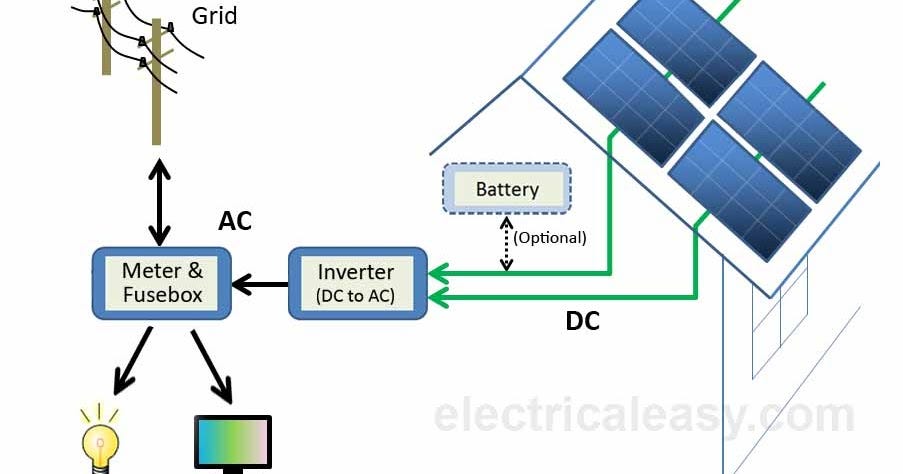
| Inverter | Convert DC electricity to AC electricity for homes |
| Battery | Store extra energy for later use |
| Charge Controller | Protect batteries from overcharging |
Benefits Of Solar Energy
Solar energyhelps protect the environment by reducing air pollution. It produces clean electricitywithout burning fuels. This means less carbon dioxideand fewer greenhouse gases.
Using solar panels can save money on electricity bills. After the initial cost, the energy from the sun is free. This leads to long-term savingsfor homes and businesses.
Solar power offers more control over energy use. It helps reduce reliance on the power grid. This energy independencecan be important during outages or price changes.
Solar Power In The Energy Mix
Solar poweris growing fast in many countries. More homes and businesses use it each year. This helps reduce pollution and saves money on electricity bills. Some countries get over 10% of their powerfrom solar energy.
Solar power often works with wind and hydro energy. Together, they make a cleaner and more stable energy supply. This mix helps keep electricity steady even when the sun does not shine or the wind stops.
One big challenge is connecting solar power to the grid. The sun’s energy changes a lot during the day. This can make it hard to keep the power steady for homes. New technology and smart grids help solve this problem, but more work is needed.
Innovations Driving Solar Growth
Solar panel efficiencyhas improved a lot in recent years. Panels now capture more sunlight and turn it into electricity better. This means fewer panels are needed for the same power output.
Energy storage solutionshelp save solar power for later use. Batteries store electricity when the sun is shining. This stored energy can be used at night or on cloudy days.
- Smart solar technologiesuse sensors and software to manage power better.
- They track sunlight and adjust panel angles for more energy.
- Smart systems also help reduce energy waste by controlling when power is used.
Solar Power For Homes And Businesses
Solar power can reduce electricity bills for homes. Residential solar systemsuse panels to catch sunlight and change it to energy. These systems are easy to install and need little care. They work well in most places with sun.
Commercial solar installationshelp businesses save money. Large solar panels can cover rooftops or land. They produce lots of power for offices, stores, and factories. This helps lower energy costs and pollution.
| Incentives | Financing Options |
|---|---|
| Tax credits reduce the cost of solar panels. | Loans with low interest rates are available. |
| Rebates offer money back after installation. | Leasing lets you pay monthly without buying panels. |
| Net metering pays for extra energy sent to the grid. | Power purchase agreements allow buying solar energy at fixed rates. |
Credit: medium.com
Future Of Solar Energy
Solar energyis becoming more common worldwide. New technologies like perovskite solar cellsimprove efficiency. These cells are cheaper and easier to produce.
Solar power is reaching new areas, including rural placesand developing countries. This helps many people get electricity for the first time.
| Trend | Impact |
|---|---|
| Energy Storage | Stores solar energy for night use |
| Smart Grids | Balances supply and demand better |
| Floating Solar Panels | Use water surfaces, save land |
Solar power helps countries reduce carbon emissions. It supports climate goalsby cutting pollution. Solar energy plays a key part in a cleaner future.

Credit: www.reliance-foundry.com
Frequently Asked Questions
How Does Solar Power Generate Electricity?
Solar panels convert sunlight into electricity using photovoltaic cells. These cells absorb sunlight and create an electric current. This process produces clean, renewable energy without emissions, making solar power a sustainable electricity source.
Can Solar Power Work On Cloudy Days?
Yes, solar panels still generate electricity on cloudy days. Although sunlight is weaker, photovoltaic cells absorb diffused light. Efficiency may drop but solar systems continue producing power, ensuring a reliable energy supply even without direct sunlight.
Is Solar Power Cost-effective For Homes?
Solar power reduces electricity bills by generating free energy from sunlight. Initial installation costs are offset by long-term savings and government incentives. Solar systems increase home value and offer a sustainable, cost-effective energy solution over time.
What Is The Lifespan Of Solar Panels?
Solar panels typically last 25 to 30 years. Their efficiency slightly decreases over time but remains productive. Regular maintenance ensures optimal performance, making solar panels a durable and long-lasting investment for electricity generation.
Conclusion
Solar power produces clean electricity from sunlight. It helps reduce pollution and saves money on energy bills. Solar panels work best in sunny places but still generate power on cloudy days. Using solar energy supports a healthier planet. Many homes and businesses now choose solar to lower costs and protect the environment.
Solar power is a smart, simple way to create electricity. It shows how nature can help meet our energy needs. The future of energy looks brighter with solar power.