
Are you wondering if solar power is truly better than a generator for your RV? Choosing the right energy source can make your travel experience smoother, quieter, and more enjoyable.
But with so many options, it’s hard to know which one fits your needs best. You’ll discover the real benefits and drawbacks of both solar panels and generators. By the end, you’ll feel confident about making the right choice for your RV adventures.
Keep reading to find out what works best for you and your lifestyle.
Solar Power Basics
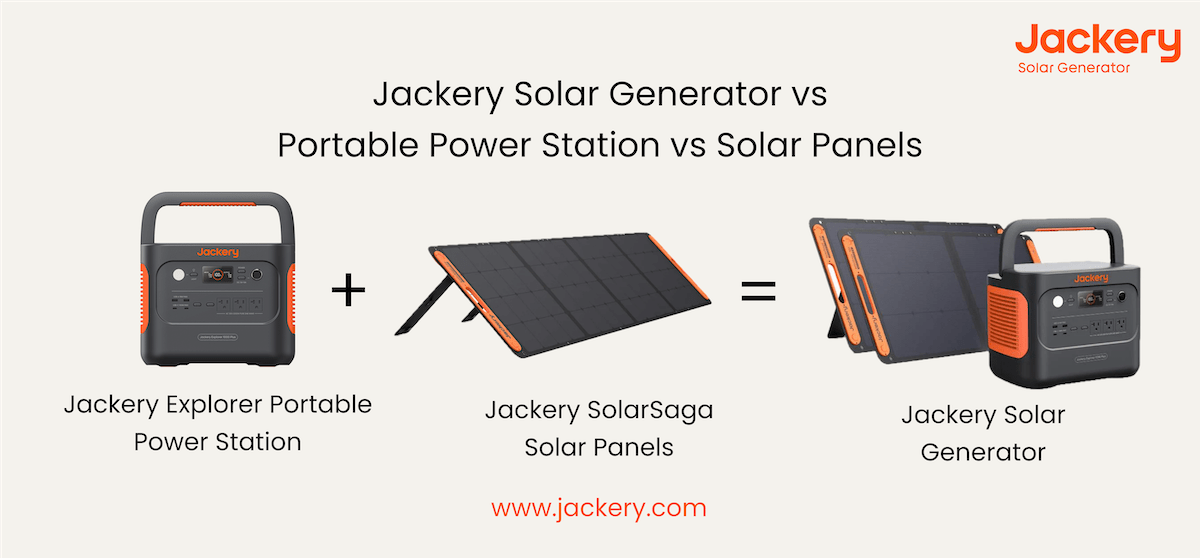
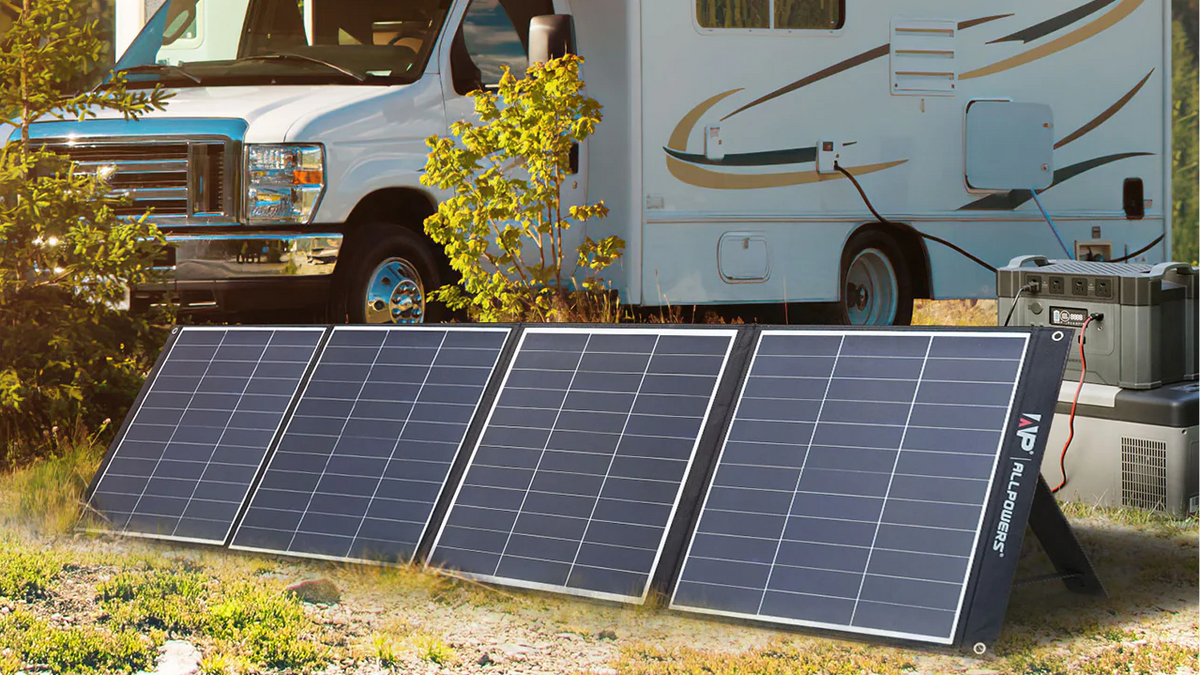
Solar panels catch sunlight and turn it into electricity. This power runs your RV’s lights, fans, and small appliances. The energy from the sun is free and clean. Solar panels store energy in batteries to use when the sun is not shining. This makes solar power very reliable for RV users.
There are three main types of solar panels for RVs:
- Monocrystalline:Most efficient and long-lasting.
- Polycrystalline:Less expensive but slightly less efficient.
- Thin-Film:Lightweight and flexible but lower efficiency.
| Component | Function |
|---|---|
| Solar Panels | Collect sunlight and create electricity. |
| Charge Controller | Protects batteries from overcharging. |
| Batteries | Store electricity for later use. |
| Inverter | Changes DC power to AC power for appliances. |
Generator Essentials
Generators create electricity by running an engine that powers a motor. This motor produces power to run your RV’s appliances and devices. They are handy in places without electricity.
Common types of generators include:
- Portable generators:Small, easy to move, and good for short trips.
- Inverter generators:Quieter, cleaner power, ideal for sensitive electronics.
- Standby generators:Large, fixed units for long-term power supply.
Fuel options affect how long and well a generator runs.
| Fuel Type | Efficiency | Availability | Notes |
|---|---|---|---|
| Gasoline | Moderate | Easy | Common but can be less stable |
| Propane | Good | Moderate | Cleaner burning, longer shelf life |
| Diesel | High | Moderate | More fuel efficient and powerful |
Comparing Costs
Solar panels usually cost more upfront but save money over time. Generators are cheaper initially but need fuel and maintenance often. Comparing long-term expenses helps decide which suits your RV budget best.
Initial Investment
Solar panelscan cost more upfront than generators. Installing solar needs batteries, panels, and sometimes an inverter. Generators cost less to buy and set up.
Maintenance Expenses
Generators need fuel and regular oil changes. They also require parts replacement over time. Solar systems have fewer moving parts, so they need less upkeep. Cleaning panels and checking batteries is mostly all.
Long-term Savings
Solar saves money over years since sunlight is free. Generators need constant fuel purchases, which add up. Solar can pay back its cost in a few years. Generators cost more over time because of fuel and repairs.
Credit: www.jackery.com
Performance And Reliability
Solar panelsprovide steady power during daylight hours. They rely on the sun, so power may drop on cloudy days. Generatorsoffer consistent power anytime but need fuel to run. Fuel can be hard to find in some places.
Weather affects solar panels more than generators. Rain, snow, or shade can reduce solar energy. Generators work well in all weather but may stop if fuel runs out.
| Aspect | Solar Panels | Generators |
|---|---|---|
| Noise | Silent | Can be loud |
| Emissions | No emissions | Produce exhaust fumes |
| Maintenance | Low | Requires regular checks |
Portability And Convenience
Solar panels need some space on your RV roof or nearby ground. Generators are compact but require storage space too. Solar setups are lightweight, causing less strain on the RV. Generators tend to be heavier and bulkier.
Solar energy systems usually take time to set up and position. Generators start working quickly with minimal setup. Solar panels don’t make noise, unlike generators which can be loud. This makes solar more convenient in quiet campgrounds.
- Solar panels:Light, quiet, need space, slow setup
- Generators:Heavy, noisy, compact, quick start
Environmental Impact
Solar powerproduces no emissions while running. Generators burn fuel and release carbon dioxide, which harms air quality.
Solar energy is renewableand clean. It uses sunlight, which never runs out. Generators depend on gas or diesel, which come from fossil fuels.
| Aspect | Solar Power | Generator |
|---|---|---|
| Carbon Footprint | Zero during use | High emissions |
| Sustainability | Renewable energy source | Uses fossil fuels |
| Regulations | Usually allowed anywhere | May face noise and emission rules |
Choosing The Right Option
Assess your power needscarefully before choosing. Consider how many devices you use daily. Think about the total watts needed. Solar panels work well for small loadsand daylight use. Generators provide more powerfor heavy use or cloudy days.
Budget matters a lot. Solar systems cost more upfront but save fuel later. Generators are cheaper initially but need fuel and maintenance. Your lifestyleis key. Quiet, clean energy fits better for campsites. Generators can be noisy and pollute air.
| Option | Pros | Cons |
|---|---|---|
| Solar | Quiet, low running cost, eco-friendly | Depends on sun, high initial cost |
| Generator | Powerful, works anytime, lower startup cost | Noisy, needs fuel, emits fumes |
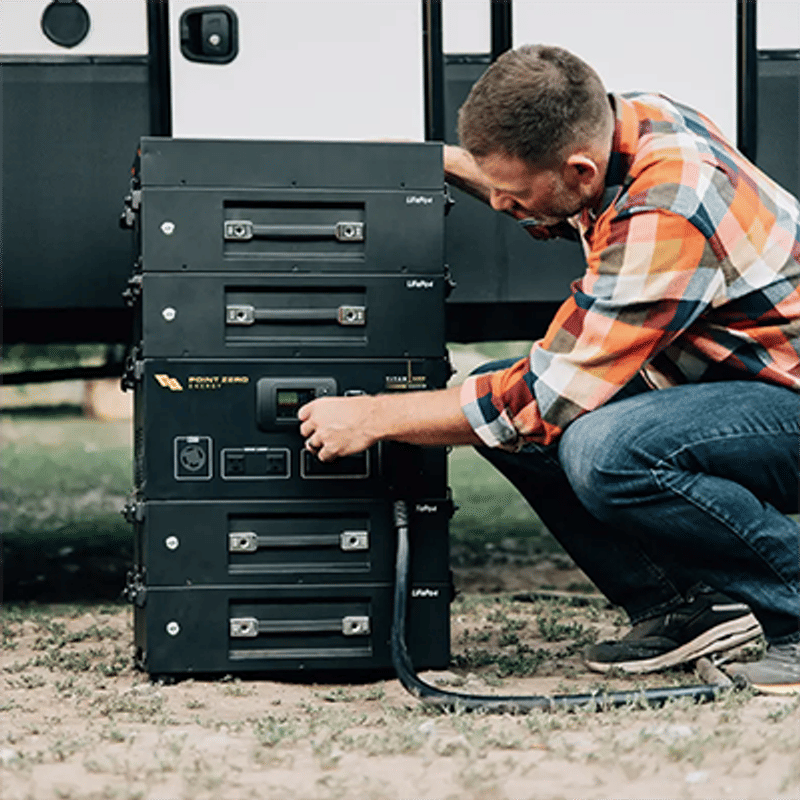
| Hybrid | Best of both, flexible power sources | More complex, higher cost |
Credit: www.happycampers.store
Credit: iallpowers.com
Frequently Asked Questions
Is Solar Power Cost-effective For Rv Use?
Solar power has higher upfront costs but saves money long-term. It requires minimal maintenance and provides free energy from the sun, unlike generators that need fuel and repairs. Solar systems increase RV value and reduce noise, making them cost-effective for frequent travelers.
Can Solar Panels Fully Replace An Rv Generator?
Solar panels can replace generators if properly sized for your energy needs. They work best in sunny conditions and require battery storage for nighttime power. For high power demands or cloudy days, a generator backup may still be necessary.
How Reliable Is Solar Energy Compared To Generators?
Solar energy reliability depends on sunlight availability and battery storage. Generators provide consistent power anytime but need fuel and produce noise. Solar systems offer quiet, clean energy but can be less reliable during extended cloudy weather or high usage.
What Maintenance Does An Rv Solar System Require?
RV solar systems need minimal maintenance. You should clean panels regularly and check connections for damage. Batteries require occasional inspection and replacement every few years. Overall, solar is easier to maintain than generators, which need frequent fuel and engine care.
Conclusion
Choosing between solar and a generator for your RV depends on needs. Solar offers quiet operation and eco-friendliness. It’s great for sunny travels. Generators provide reliable power anytime, anywhere. They suit trips with less sunlight. Both have pros and cons.
Consider your travel habits and budget. Solar may save money long-term. Generators may need more maintenance. Think about convenience and the environment. Make a choice that fits your RV lifestyle. Enjoy your adventures with the right power source.