
Are you planning your next RV adventure and wondering whether solar power or a traditional generator is the right choice for you? The debate between solar panels and generators for RVs is more relevant than ever.
With the growing interest in sustainable living and the desire for quiet, efficient energy, you might find yourself torn between these two power sources. Imagine the freedom of hitting the road without the constant hum of a generator or the hassle of frequent fuel stops.
But is solar truly the superior choice for your RV lifestyle, or does a trusty generator still hold its ground? Dive into this exploration of solar versus generators to uncover which option aligns best with your needs, ensuring you make an informed decision for your next adventure.
Solar Power Basics
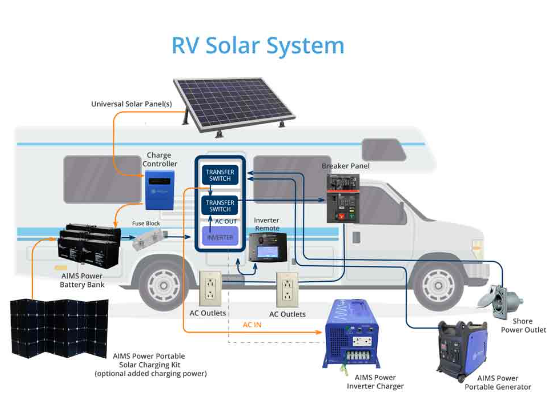
Solar panelscapture sunlight and turn it into electricity. The panels use photovoltaic cellsthat absorb sunlight. These cells create direct current (DC) electricity. A device called an inverterchanges DC into alternating current (AC) for your RV. This power runs your lights, appliances, and devices. Solar panels need sunlight, so they work best during the day.
Three main types of solar panels fit RVs:
- Monocrystalline: Most efficient and lasts long.
- Polycrystalline: Less expensive but a bit less efficient.
- Thin-film: Flexible and lightweight but lower power.
| Component | Function |
|---|---|
| Solar Panels | Capture sunlight and make electricity |
| Charge Controller | Protects battery by controlling power flow |
| Battery | Stores energy for use when no sun |
| Inverter | Changes DC power to AC for RV use |
Generator Essentials
A generator creates electricity by burning fuel. It uses an engine to turn a generator head, which makes electric power. This power can run many devices in an RV.
Common types of generators for RVs include:
- Portable generators:Easy to move, good for occasional use.
- Inverter generators:Quieter and more fuel-efficient, perfect for sensitive electronics.
- Built-in generators:Installed in the RV, starts with a switch.
Fuel options impact how long a generator runs and its cost:
| Fuel Type | Efficiency | Availability | Cost |
|---|---|---|---|
| Gasoline | Moderate | Easy to find | Low to moderate |
| Diesel | High | Moderate | Moderate |
| Propane | Good | Variable | Moderate to high |
Cost Comparison
The initial costof solar panels is usually higher than generators. Solar systems need solar panels, batteries, and inverters. Generators are cheaper to buy at first.
Maintenance costsfor generators can add up. They need fuel, oil changes, and parts replaced often. Solar panels require less care and have fewer moving parts.
| Aspect | Solar | Generator |
|---|---|---|
| Initial Investment | Higher cost for panels and batteries | Lower cost, easy to buy |
| Maintenance Expenses | Low, mainly cleaning panels | High, fuel and oil needed |
| Long-Term Savings | Save money on fuel, lasts longer | Spend more on fuel and repairs |
Performance Factors
Power outputof solar panels depends on sunlight and panel size. Generators provide steady power but need fuel. Solar systems have limited capacity, usually enough for small devices. Generators can run larger appliances easily.
Reliabilityvaries with weather. Solar panels work best in bright sun but less in clouds or shade. Generators work anytime if you have fuel. Solar is quiet but can stop working at night. Generators run day and night but need regular refueling.
Noise and emissionsdiffer greatly. Solar panels make no noise or pollution. Generators are noisy and release fumes. Solar is better for quiet, clean camping. Generators may disturb nature and other campers.
Environmental Impact
Solar panels produce clean energy, reducing pollution compared to gas-powered generators. They help protect nature by lowering harmful emissions. Choosing solar means less noise and a smaller carbon footprint for your RV adventures.
Carbon Footprint
Solar power produces no direct carbon emissions.It uses sunlight to create energy, making it a clean energy source. Generators burn fuel, releasing carbon dioxide and other harmful gases. This causes air pollution and contributes to climate change. Using solar energy can reduce your carbon footprintsignificantly.
Sustainability Benefits
Solar panels last many years and need little maintenance. They use renewable energyfrom the sun, which will not run out. Generators rely on fossil fuelsthat are limited and cause pollution. Choosing solar helps protect natural resourcesand supports a sustainable lifestyle.
Waste And Pollution
Generators produce noise pollutionand often leak oil or fuel, harming the environment. Solar systems do not create noise or spills during operation. At the end of their life, solar panels can be recycled, reducing waste. This makes solar a cleaner and saferoption for nature.
Credit: www.srnesolar.com
Installation And Portability
Solar panelscan take time to set up. They need to be placed where sunlight is strong. Generators are easier to start and use quickly. Just fill with fuel and turn on.
| Aspect | Solar Panels | Generators |
|---|---|---|
| Space Requirements | Need roof or ground space for panels | Compact, but need fuel storage space |
| Mobility and Flexibility | Fixed panels limit movement; portable kits exist | Easy to move and use anywhere with fuel |
Solar systems are quiet and don’t need fuel. Generators can be noisy and need gas or diesel. Portability depends on the size and weight of each option.
User Experience
Solar power offers quiet, clean energy for RVs, enhancing comfort and convenience. Generators can be noisy and require fuel, affecting the user experience. Choosing solar means less hassle and more peaceful travel.
Ease Of Use
Solar panelsneed sunlight to work. They start quietly and need little effort to use. Generatorsrequire fuel and making noise. They need starting and stopping each time. Solar is simpler during the day. Generators work anytime but need more care.
Maintenance Requirements
- Solar panels need cleaning to remove dust and dirt.
- Check wires and connections for safety.
- Generators require oil changes and fuel refills.
- Parts may need repair or replacement often.
- Solar systems last longer with less work.
Troubleshooting Common Issues
| Issue | Solar Solution | Generator Solution |
|---|---|---|
| Low power output | Clean panels and check shading. | Refuel and check spark plugs. |
| System won’t start | Check battery and wiring. | Inspect fuel line and starter. |
| Noise problems | Solar is silent. | Check muffler and engine parts. |
When To Choose Solar
Solar powerworks best in places with lots of sunlight. It is perfect for long tripswhere quiet and clean energy matters. Solar panels need spaceon the roof of the RV to catch sun rays. It suits travelers who want to avoid noisy machines and fuel costs. Solar is great for charging small devicesand running lights or fans.
Solar power has some limits. It does not work well at nightor on cloudy days. Batteries need time to store energy. Solar setups can cost more upfront and may need space on the RV roof. It may not provide enough power for big appliancesor air conditioners.
When To Choose Generators
Generators work well for quick power needsor when solar energy is not enough. They are good for cloudy daysor nighttime use. Also, generators can run heavy appliancesthat solar panels might struggle with.
Generators start fast and provide constant power. They are useful on trips where power demand is high or unpredictable.
| Potential Drawbacks | Details |
|---|---|
| Noise | Generators can be loud and disturb others nearby. |
| Fuel | They need gas or diesel, which adds cost and storage issues. |
| Maintenance | Regular upkeep is needed to keep them working well. |
| Emissions | Generators produce fumes that can harm the environment. |

Credit: www.popularmechanics.com
Hybrid Solutions
Hybrid systems mix solar powerwith generatorsto give the best of both worlds. Solar panels work quietly and cleanly during the day. Generators kick in when solar energy is low or the battery runs out.
This setup helps extend power availability. It reduces fuel use and noise from generators. It also offers a backup power sourcefor cloudy days or night time.
Benefits include:
- Reliable energyanytime.
- Less fuel cost and pollution.
- Longer battery life.
- Quieter operation.

Credit: www.youtube.com
Frequently Asked Questions
Is Solar Power More Cost-effective Than Rv Generators?
Solar power reduces fuel costs and maintenance over time. Initial setup is higher, but solar panels save money long-term. Generators require fuel purchases and frequent upkeep, increasing expenses. Solar energy is a sustainable, quieter option, making it cost-effective for extended RV use.
How Does Solar Energy Compare In Noise Levels?
Solar energy systems operate silently, producing no noise during power generation. Generators create significant noise, disturbing outdoor peace. For quiet camping and overnight stays, solar power is the preferred choice. Noise reduction enhances the overall RV experience.
Can Solar Panels Provide Enough Power For Rv Needs?
Yes, solar panels can meet most RV power requirements. Panel size and battery capacity determine the energy supply. Properly sized systems support appliances, lighting, and small electronics. Solar power is reliable for off-grid RV adventures when designed correctly.
Are Rv Generators Better For Cloudy Or Rainy Days?
Generators provide consistent power regardless of weather conditions. Solar panels generate less energy on cloudy or rainy days. Combining solar with a generator ensures power availability in all weather. This hybrid approach maximizes reliability for RV users.
Conclusion
Solar power offers quiet, clean energy for RV users. It saves fuel and needs less maintenance than generators. Generators provide quick power but can be noisy and use gas. Solar panels work well in sunny places and give steady energy.
Choosing depends on your travel style and power needs. Think about cost, convenience, and environment. Both have strong points. Solar suits those who want calm and green energy. Generators fit those needing power anytime, anywhere. Decide what fits your RV adventures best.