
Imagine never having to worry about your phone overheating in your pocket or your electric car battery getting too hot during a long drive. Sounds ideal, right?
With the buzz around solid-state batteries, you might be wondering if they truly generate more heat than their lithium-ion counterparts. This question is crucial, especially if you’re considering the implications for your gadgets or vehicles. We’ll dive into the truth behind solid-state battery heat production.
By the end, you’ll have a clearer understanding of whether these innovative batteries are the cooler choice for your needs. Stay tuned to discover if solid-state technology is truly the future or just another hot topic.
Credit: www.laserax.com
Solid State Battery Basics
Solid state batteries use a solid electrolyteinstead of liquid or gel. This solid material helps ions move between the battery’s anodeand cathode. This movement creates the electric current.
The solid electrolyte can be made from various materials, such as ceramics or glass. These materials are saferand less likely to catch fire.
| Key Component | Material | Role |
|---|---|---|
| Anode | Metal or graphite | Releases electrons during discharge |
| Cathode | Metal oxide | Accepts electrons during discharge |
| Electrolyte | Solid ceramic or glass | Allows ion transfer safely |
| Separator | Solid material | Keeps anode and cathode apart |

Credit: volta.foundation
Heat Generation Factors
Solid-state batteries tend to generate less heat due to their solid electrolytes, which reduce resistance. Heat depends on materials, design, and usage conditions affecting battery temperature.
Electrochemical Reactions
Electrochemical reactions in solid state batteries produce heat during energy transfer. These reactions release energy, some of which converts to heat. The heat depends on the battery’s chemistry and reaction speed.
Internal Resistance
Internal resistance causes heat as electricity flows inside the battery. Higher resistance means more heat is made. Solid state batteries often have lower resistance than liquid ones, so they may create less heat.
Charge And Discharge Cycles
Each charge and discharge cycle generates heat. Faster cycles produce more heat. Repeated cycles can increase internal resistance, which also raises heat production over time.
Comparing Heat Output
Solid-state batteries produce less heat than traditional batteries due to their stable solid electrolyte. This reduces overheating risks and improves safety during use. Comparing heat output shows solid-state technology offers cooler and more efficient performance.
Solid State Vs Lithium-ion Batteries
Solid state batteriesgenerally produce less heat than lithium-ion batteries. This is because they use a solid electrolyte, which reduces internal resistance. Lower resistance means less heat during charging and discharging.
Lithium-ion batteries use a liquid electrolyte that can heat up more quickly. This heat can affect battery life and safety. Solid state batteries also have better thermal stability, making them safer in high temperatures.
Thermal Management Differences
| Feature | Solid State Battery | Lithium-Ion Battery |
|---|---|---|
| Electrolyte Type | Solid | Liquid |
| Heat Generation | Lower | Higher |
| Thermal Stability | High | Moderate |
| Cooling Requirements | Less intense | More intense |
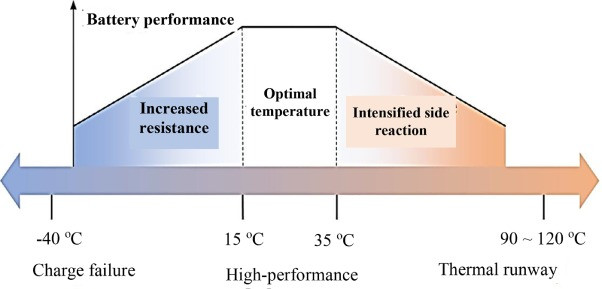
Impact Of Heat On Performance
Battery efficiencydrops as heat builds up inside. Solid-state batteries produce less heat than traditional ones, which helps keep efficiency high. Cooler batteries work better and hold charge longer. Heat can cause parts to wear out faster, lowering battery life.
Lifespan and safetyare affected by heat too. Too much heat can make batteries unsafe and cause damage. Solid-state batteries are safer because they use solid materials that handle heat better. This means less chance of fires or leaks.
Advancements In Heat Control
Solid state batteries can generate heat during use. Managing this heat is very important for safety and battery life.
Innovative cooling techniques help keep the battery temperature low. Some methods include:
- Using liquid coolants that absorb heat quickly.
- Adding cooling plates to spread heat evenly.
- Designing airflow systems to remove heat fast.
Material improvements also play a key role in heat control.
- New solid electrolytes with better heat resistance.
- Electrodes that reduce heat generation during charging.
- Lightweight materials that improve heat dissipation.

Credit: pubs.acs.org
Future Prospects
Solid state batteries usually produce less heat than traditional batteries due to their solid electrolyte. This means safer and more efficient energy storage in the future. Heat management remains a key focus for ongoing research and development.
Scaling Solid State Technology
Scaling solid-state battery technologymeans making bigger and better batteries. This process needs new materialsthat work well and are safe. Scientists focus on making batteries last longerand produce less heat. This helps batteries stay cool and avoid damage. Factories must also learn to produce these batteries quickly and cheaply. The goal is to build batteries that fit many devices and cars without problems.
Potential Applications
- Electric vehicles:Solid-state batteries can make cars drive farther.
- Smartphones:These batteries last longer and charge faster.
- Wearables:Small devices benefit from lightweight, safe batteries.
- Energy storage:Help store solar and wind energy efficiently.
Frequently Asked Questions
Do Solid State Batteries Produce More Heat Than Lithium-ion?
No, solid state batteries generally produce less heat than lithium-ion batteries. Their solid electrolytes reduce internal resistance and heat generation, improving safety and efficiency during charging and discharging cycles.
Why Do Solid State Batteries Generate Less Heat?
Solid state batteries use solid electrolytes, which minimize ion movement resistance. This lowers heat production compared to liquid electrolytes in traditional batteries, enhancing thermal stability and reducing overheating risks.
Can Solid State Batteries Improve Thermal Management In Devices?
Yes, solid state batteries offer better thermal management. Their lower heat generation helps maintain device temperature, enhancing performance, safety, and lifespan in electronics and electric vehicles.
How Does Heat Affect Solid State Battery Performance?
Excessive heat can degrade battery materials and reduce lifespan. Solid state batteries’ lower heat generation helps maintain stable performance and prevents thermal runaway, making them safer than conventional batteries.
Conclusion
Solid state batteries tend to generate less heat than traditional ones. This is because they use solid electrolytes instead of liquid. Solid electrolytes reduce internal resistance and heat buildup. Lower heat means safer and longer-lasting batteries. These batteries also handle higher energy better.
They stay cooler during charging and discharging. This makes them suitable for many devices. Heat management is crucial for battery performance. Solid state technology shows promise in this area. Still, ongoing research will improve heat control further. Overall, solid state batteries offer a cooler, safer alternative.