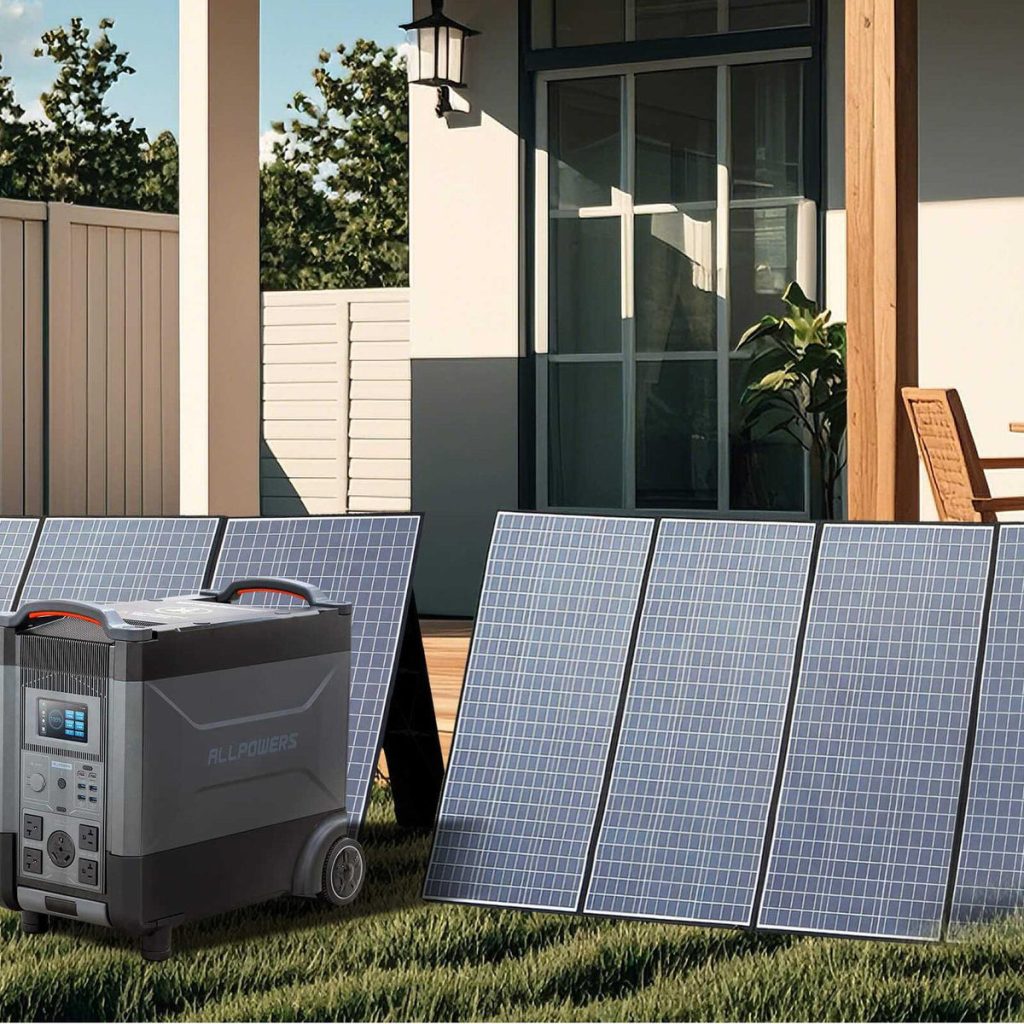
Have you ever wondered if a solar generator can truly power your entire house? Imagine having a reliable source of energy that keeps your lights on, your fridge running, and your devices charged—without relying on the grid or noisy gas generators.
You might be asking yourself, “Is this even possible? ” The answer could change the way you think about energy at home. You’ll discover how solar generators work, what to expect from them, and whether one can meet your household’s power needs.
Keep reading to find out if this clean, quiet, and portable energy solution is right for you.

Credit: udpwr.com
Solar Generators Basics
A solar generator uses sunlight to create electricity. It captures sunlight with solar panels. The panels change sunlight into electric energy. This energy is stored in a battery for later use. The stored energy powers devices and appliances in a home.
Key parts of a solar generator include:
- Solar Panels:Collect sunlight and turn it into electricity.
- Battery:Stores the electricity for use when needed.
- Inverter:Changes stored electricity into power for home devices.
| Type | Use | Size |
|---|---|---|
| Portable | Small devices, camping, emergencies | Compact, easy to move |
| Home Backup | Power during outages | Medium, stays at home |
| Whole House | Power entire home | Large, needs installation |

Credit: www.goodhousekeeping.com
Powering A House With Solar Generators
The average homeuses about 900 kWhof electricity each month. This includes lights, appliances, heating, and cooling. Solar generators must be large enoughto cover this energy need.
Matching a solar generator’s capacityto your home is key. A generator with 5,000 to 10,000 wattsoutput can power many homes. Battery storage matters too. More storage means power lasts through the night.
| Factor | Details |
|---|---|
| Sunlight Hours | 5-6 hours per day is ideal |
| Generator Size | 5,000-10,000 watts for typical homes |
| Battery Capacity | Enough to store power for night use |
| Limitations | High cost and space needed |
Solar generators can be limited by weatherand initial cost. Cloudy days reduce power output. Large systems need space for panels and batteries. Planning helps avoid surprises.
Top Solar Generators For Home Use
High-capacity solar generatorscan power many household devices for hours. These models usually offer 1000 watts or more, suitable for running refrigerators, lights, and small appliances. They often include multiple ports for charging phones, laptops, and other gadgets.
Choosing between portable and stationary unitsdepends on needs. Portable units are easy to move and good for outdoor use or emergencies. Stationary units are larger and designed to stay in one place, providing more power for longer times.
| Battery Storage Options | Description |
|---|---|
| Lead-Acid | Affordable but heavy and less durable. |
| Lithium-Ion | Lightweight, long-lasting, more expensive. |
| Nickel-Based | Good performance but less common now. |
Installation And Setup
Connecting a solar generator to home circuits requires care and proper tools. A licensed electrician should handle the setup. The generator must be linked to a transfer switch to avoid power backflow. This switch safely separates solar power from the main grid. Proper wiring ensures the home uses solar energy without damage.
Safety is key during installation. Always turn off the main power before working on circuits. Use insulated tools and wear protective gear. Check all connections twice to avoid short circuits. Keep the generator dry and away from flammable materials. Regularly test safety devices like circuit breakers.
- Clean solar panels monthly to remove dust and dirt.
- Inspect cables for wear or damage every few months.
- Check battery levels and recharge as needed.
- Keep the generator in a cool, ventilated area.
- Schedule professional maintenance annually for best performance.
Cost And Roi
Solar generatorsfor homes need a big initial investment. Costs vary by system size and battery capacity. Most setups cost several thousand dollars. This may seem high upfront.
Long-term savings come from lower electricity bills. Solar power reduces reliance on the grid. Over time, savings can cover the initial cost. Savings depend on energy use and sunlight availability.
| Incentives | Description |
|---|---|
| Federal Tax Credit | Allows deduction of a portion of system cost from taxes. |
| State Rebates | Cash back offers from local governments for solar installation. |
| Utility Programs | Discounts or credits from electric companies. |
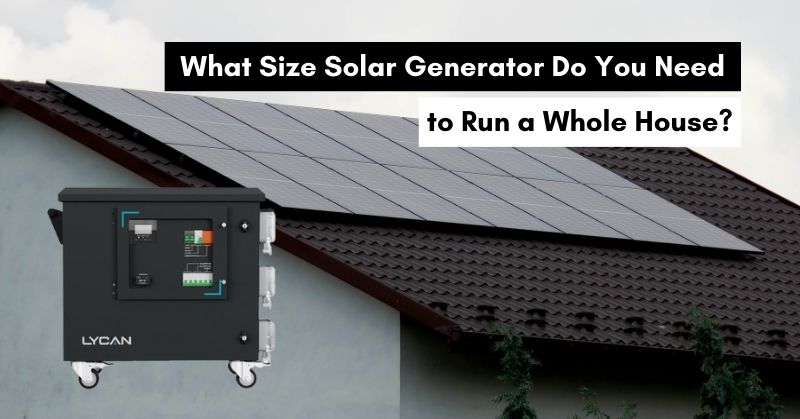
Credit: www.renogy.com
Alternatives And Complements
Traditional solar panelsare installed on rooftops to collect sunlight and turn it into electricity. They work well during sunny days and can power many home appliances. These panels need a battery system to store energy for use at night or cloudy days.
Hybrid systemscombine solar panels with other energy sources like wind or backup generators. This mix helps keep power steady even if one source stops working. Hybrids are good for homes that want constant power without big interruptions.
- Backup generatorsuse fuel like gas or diesel to create electricity.
- They start working when solar power is low or batteries run out.
- Generators are useful during long power outages or bad weather.
Frequently Asked Questions
Can A Solar Generator Power An Entire House?
Yes, some high-capacity solar generators can power an entire house. They store solar energy and provide electricity during outages or off-grid living.
How Much Power Can A Solar Generator Produce?
Solar generators produce between 500 watts to several kilowatts. Larger models support essential home appliances and lighting for extended periods.
Are Solar Generators Cost-effective For Home Use?
Solar generators have higher upfront costs but reduce electricity bills. They offer long-term savings and energy independence, especially in sunny regions.
What Size Solar Generator Is Needed For A House?
A typical house requires a solar generator with 5,000 to 10,000 watt-hours capacity. Size depends on energy consumption and backup duration needs.
Conclusion
Exploring solar generators can lead to a sustainable home power solution. Many options exist to meet different household needs. Solar generators offer clean energy, reducing dependence on traditional power sources. They can power essential appliances during outages. Consider your home’s power needs and budget.
Research available models carefully. Compare features and capacities. Solar technology continues to improve, making it more accessible. Investing in a solar generator supports a greener future. It’s a step towards energy independence. Embrace the potential of solar energy for your home today.