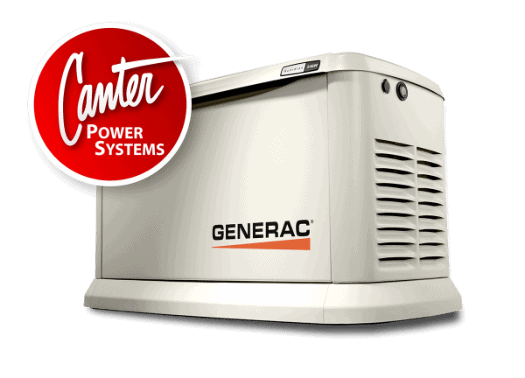
Are you considering a home standby generator to keep your household running smoothly during power outages? You’re not alone.
Many homeowners like you are exploring this option to ensure comfort and security during unexpected blackouts. But before you make the investment, you might be wondering if there are financial incentives, like tax credits, that could ease the burden on your wallet.
We’ll dive into whether you can claim a tax credit for your home standby generator purchase. Stick around to discover if there’s a way to save money while safeguarding your home and loved ones.
Credit: www.energysage.com
Home Standby Generators Tax Credit
To qualify for a tax crediton home standby generators, the generator must meet specific energy efficiencystandards. It should be installed at a primary residenceand used mainly for backup power. Generators powered by natural gasor propaneoften qualify, while gasoline models usually do not.
| Generator Type | Qualifies for Credit? | Notes |
|---|---|---|
| Natural Gas | Yes | Meets efficiency standards |
| Propane | Yes | Energy efficient models qualify |
| Gasoline | No | Typically not eligible |
The credit amountusually covers a portion of the purchase and installation costs. It often ranges from 10% to 30%of expenses, with a maximum limitset by law. Always check current rules, as they can change.
Credit: www.ecoflow.com
Federal Incentives
The Federal Tax Creditsoffer savings for installing home standby generators. These credits help reduce the cost by a percentage of the purchase and installation.
Qualifying generators must meet certain energy efficiencyand fuel type standards. The credit often covers up to 30% of the total expense.
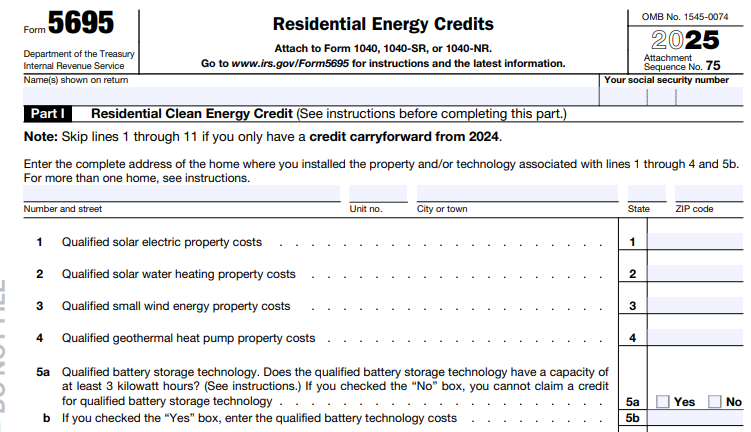
Applying for the credit involves filling out specific tax forms and keeping receipts for proof. Homeowners should submit these documents with their annual tax return.
Key dates include the purchase year and the tax filing deadline, usually April 15. Missing these dates can result in losing the credit.
State And Local Benefits
Some states offer tax creditsfor installing home standby generators. These credits lower the costby reducing your state taxes.
Utility companies sometimes provide rebatesto encourage generator use. These rebates can help cover part of the purchaseor installationcosts.
Local governments may also offer additional incentives. These can include discountsor special financingoptions.
| Benefit Type | Description | Example |
|---|---|---|
| State-Specific Credits | Tax credits that reduce state income tax | Credit for 10% of generator cost in California |
| Utility Company Rebates | Cash back or bill credits from power companies | $200 rebate from local electric company |
| Additional Local Incentives | Other discounts or financial aid from cities/counties | Low-interest loans from city government |

Credit: canterpowersystems.com
Energy Efficiency And Savings
Home standby generators help save energy during power outages. They run efficiently and use fuel smartly. This can lead to lower energy billsover time.
Generators come with efficiency ratingsthat show how well they use fuel. Higher ratings mean less fuel is wasted. This helps reduce costs and pollution.
| Efficiency Rating | Fuel Use | Cost Impact |
|---|---|---|
| High (80%+) | Low | Lower fuel bills |
| Medium (60%-79%) | Moderate | Moderate fuel bills |
| Low (<60%) | High | Higher fuel bills |
Investing in a good generator offers long-term savings. Reduced fuel use means less money spent. It also adds value to your home.
Installation Considerations
Certified installers ensure the generator is set up safely and correctly. They follow all local rules and codes. This keeps the home and family safe. Proper installation helps qualify for any available tax credits.
Most places require permits before installation. Inspectors check the work to meet safety standards. Without permits and inspections, the generator might not be legal to use. This can cause problems with insurance and taxes.
| Cost Item | Estimated Price |
|---|---|
| Generator Unit | $2,000 – $5,000 |
| Installation | $1,000 – $3,000 |
| Permits & Inspections | $100 – $500 |
| Total Cost | $3,100 – $8,500 |
Maximizing Your Tax Credit
Keep all receipts and invoicesfrom your generator purchase and installation. These documents prove your expenses to tax authorities. Also, keep any manufacturer’s certificationthat shows the model qualifies for tax credits. Organize papers by date and type to make the process easier.
Common errors include missing paperwork, claiming ineligible costs, or mixing personal and business expenses. Avoid these to ensure smooth credit approval.
- Do not claim costs for repairs or maintenance.
- Separate generator costs from other home improvements.
- Confirm credit eligibility before filing taxes.
Tax credits can often be combined with local rebatesor utility incentives. Check local programs to maximize savings. Some rebates reduce the overall cost before tax credit calculations.
Frequently Asked Questions
Is There A Federal Tax Credit For Home Standby Generators?
Currently, no federal tax credit specifically applies to home standby generators. However, some state or local incentives may exist. Always check local programs for potential rebates or credits related to energy-efficient generator installations.
Can I Claim A Tax Credit For Generator Installation Costs?
Generator installation costs typically do not qualify for federal tax credits. Tax incentives usually target renewable energy systems like solar panels. Still, some states might offer credits or rebates for backup power solutions, so verify your state’s programs.
Do Energy-efficient Generators Qualify For Tax Credits?
Energy-efficient generators generally do not qualify for federal tax credits. Most tax incentives focus on renewable energy equipment. Check local or utility company programs for any incentives related to efficient or eco-friendly generator models.
Are There State Tax Credits For Home Standby Generators?
Some states offer tax credits or rebates for home standby generators, especially if they use renewable fuels. These incentives vary widely, so consult your state energy office or local utility provider for available programs.
Conclusion
Tax credits for home standby generators depend on location and eligibility. Some states offer incentives, but not all do. Checking local laws can save you money. Always research before buying a generator. Knowing your options helps you make smart choices.
A standby generator can protect your home during power outages. Weigh the costs and benefits carefully. Stay informed to get the best value for your investment.