
Are you wondering whether universal distributed solar or a clean energy grid is the smarter choice for your power needs? Choosing the right energy source can feel confusing, but it’s crucial for saving money, protecting the environment, and gaining energy independence.
Imagine having control over your own clean power or relying on a larger system that spreads green energy to everyone. Which option truly benefits you the most? Keep reading, and you’ll discover the key differences, surprising benefits, and what fits best with your lifestyle and goals.
Your next energy decision starts here.
Universal Distributed Solar
Distributed solarmeans solar panels on many rooftops or local spots. These panels collect sunlight and turn it into electricity near where people live or work. This cuts the need to send power long distances. It helps save energy and lowers losses.
Electricity made close by lowers costs. No big wires or stations needed. Homeowners can use their own solar power or sell extra back to the grid.
| Advantages of Local Generation | Impact on Grid Stability | Environmental Benefits |
|---|---|---|
|
|
|
Costs for consumers can drop over time. Solar panels need upfront money but save on electricity bills. Some areas offer incentives to help pay for installation. Savings grow as solar technology improves and prices fall.
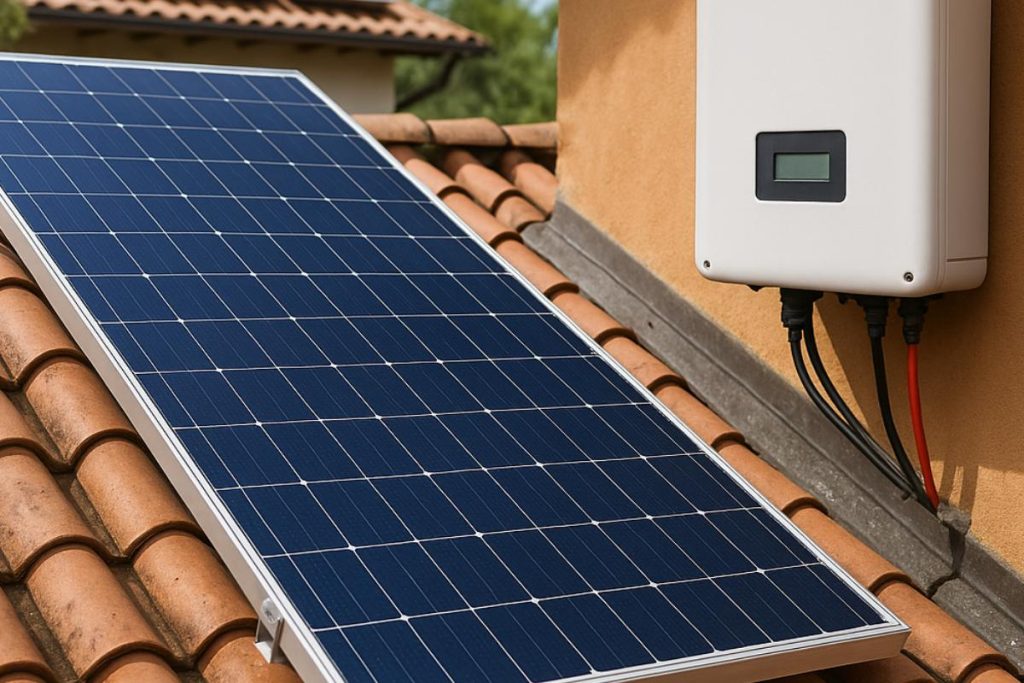
Credit: bydenergia.com
Grid With Clean Generation
The grid uses many clean energy sources. These include solar, wind, hydro, and nuclear power. These sources help reduce pollution and carbon emissions.
Clean energy on the grid offers efficiency and scale benefits. Large power plants can produce energy for many homes. This lowers the cost per unit of energy. The grid can store and share energy across regions.
Grid management faces challengeslike balancing energy supply and demand. Renewable sources like solar and wind can be unpredictable. This makes it hard to keep the grid stable.
Costs include building and maintaining infrastructurelike power lines and substations. Upgrading the grid to handle clean energy is expensive but needed. This can take time and large investments.
The environmental impactis much lower than fossil fuels. Clean energy reduces air pollution and protects nature. It helps fight climate change by lowering greenhouse gases.
Comparing Both Approaches
Universal distributed solaroffers power close to homes, reducing outage risks. Solar panels work even during storms if paired with batteries. Grid with clean generationdepends on large power plants and long lines. These can fail during bad weather but can supply large areas.
Distributed solar lowers electric bills and creates local jobs. Initial setup costs can be high but savings grow over time. Grid clean energy needs big investments for plants and wires. Costs spread across many users, sometimes raising bills.
Both reduce pollution compared to fossil fuels. Distributed solar cuts carbon near homes and cuts transmission losses. Grid clean energy can use wind, solar, or hydro to power many homes cleanly.
Distributed solar may not reach renters or poor homes easily. Programs and subsidies can help more people join. Grid clean energy reaches wide areas but may not serve remote places well.
| Approach | Future Trends | Innovations |
|---|---|---|
| Universal Distributed Solar | More affordable panels and batteries | Smart home energy systems, peer-to-peer sharing |
| Grid with Clean Generation | Improved grid management and storage | Large-scale wind farms, green hydrogen use |

Credit: www.energycentral.com
Choosing The Best Option
Policy and incentivesplay a big role in choosing solar or grid options. Governments may offer tax credits, rebates, or grants. These can lower the cost of solar panelsor clean energy connection.
Community and consumer preferencesalso matter. Some people want more control over their power through solar panels. Others prefer the reliability of the gridwith clean energy sources. Social values and trust in technology impact choices.
| Factor | Solar Distributed | Grid with Clean Generation |
|---|---|---|
| Cost | Upfront cost but low ongoing expenses | Usually steady monthly bills |
| Control | High control over energy use | Less control, managed by utility |
| Reliability | Depends on sun and storage | Generally stable and constant |
| Environmental Impact | Direct clean energy at home | Clean energy at large scale |

Credit: medium.com
Frequently Asked Questions
What Is Universal Distributed Solar Energy?
Universal distributed solar energy refers to solar power generated locally on rooftops or community spaces. It reduces transmission losses and promotes energy independence. This system allows more people to access clean energy directly, enhancing sustainability and grid resilience.
How Does Grid With Clean Generation Work?
Grid with clean generation integrates renewable energy sources like wind, solar, and hydro into the main power grid. It ensures consistent electricity supply while reducing carbon emissions. This hybrid approach supports large-scale clean energy distribution and stability.
Which Is More Cost-effective: Distributed Solar Or Clean Grid?
Distributed solar often has higher initial setup costs but lowers long-term energy bills. Clean grid systems benefit from economies of scale and infrastructure but may involve transmission losses. Cost-effectiveness depends on location, energy needs, and government incentives.
Does Distributed Solar Improve Energy Reliability?
Yes, distributed solar improves reliability by decentralizing power sources. It reduces dependency on a single grid and minimizes outages. Local generation supports critical services during emergencies and enhances overall energy security.
Conclusion
Deciding between distributed solar and grid with clean generation is tough. Both options offer unique benefits and challenges. Distributed solar provides independence and local control. The grid offers stability and broad access. Your choice depends on your specific needs and environment.
Consider costs, reliability, and sustainability. Think about how each option impacts your community. Make an informed decision for the future. The right choice can support a cleaner planet. Both paths lead to greener energy solutions. Choose wisely and contribute to a sustainable world.