Have you ever wondered if wave energy could be a smarter choice than solar power for your energy needs? Both sources promise clean, renewable power, but which one truly delivers better results for you?
Understanding the strengths and weaknesses of wave energy generators compared to solar panels can help you make informed decisions for your home or business. Keep reading to discover how these two technologies stack up and find out which might be the perfect fit for your energy goals.

Credit: medium.com
Wave Energy Basics
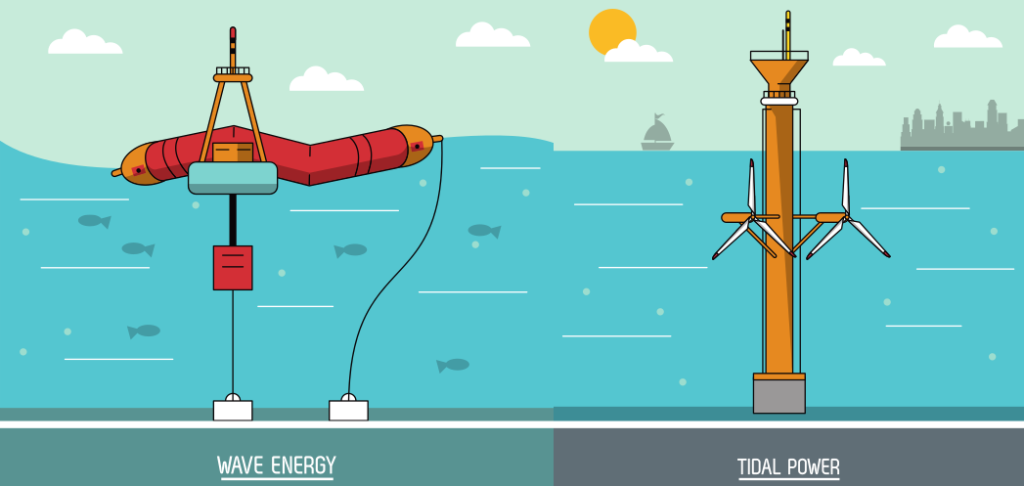
Wave energy uses the power of ocean wavesto make electricity. Waves move because of the wind blowing over the water. Machines called wave energy generatorscapture this movement.
There are different typesof wave energy generators:
- Point Absorbers:Float on water and move with waves.
- Oscillating Water Columns:Use air pushed by waves to turn turbines.
- Overtopping Devices:Collect water from waves and let it flow down to generate power.
| Region | Wave Energy Potential (GW) |
|---|---|
| North America | 100 |
| Europe | 120 |
| Australia | 60 |
| Asia | 80 |
Solar Energy Fundamentals
Solar panelswork by turning sunlight into electricity. They have many small units called solar cellsmade of silicon. When sunlight hits these cells, it makes tiny particles called electrons move. This movement creates an electric current. This current flows through wires and can power homes or devices.
Different types of solar technologies exist:
- Monocrystalline:Made from single silicon crystals, very efficient.
- Polycrystalline:Made from many silicon pieces, less efficient but cheaper.
- Thin-film:Lightweight and flexible, but lower efficiency.
Solar energy is available almost everywhere, but it depends on the weather and location. Places near the equator get more sunlight all year. Cloudy or rainy areas get less sun, so solar power is less effective there.
Efficiency Comparison
Wave energy generatorsconvert about 30% to 40% of the wave power into electricity. Solar panelsusually convert 15% to 20% of sunlight into electric power. This means wave energy can be more efficient in energy conversion.
Wave energy works best in strong ocean waves. Solar panels need sunlight. Cloudy or rainy days lower solar panel output. Waves can keep moving even on cloudy days.
| Condition | Wave Energy | Solar Energy |
|---|---|---|
| Sunny Day | Good | Excellent |
| Cloudy Day | Good | Low |
| Night | Moderate | None |
| Windy/Wavy Sea | Excellent | Good |
Cost And Investment
Installation expensesfor wave energy generators are usually higher than solar panels. Wave energy needs strong structures in the ocean, which cost a lot. Solar panels, on the other hand, can be set up on rooftops or open fields with less cost. Both require permits, but ocean setups take longer and need more money.
Maintenance is key for both. Wave energy devices face harsh sea conditions, leading to frequent repairs. Solar panels need less care, mostly cleaning and occasional checks. Wave energy systems may last 20-25 years, but constant maintenance adds to costs. Solar panels can last 25-30 years with minimal upkeep.
| Aspect | Wave Energy Generator | Solar Panels |
|---|---|---|
| Installation Cost | High due to ocean setup | Lower, flexible locations |
| Maintenance | Frequent, ocean wear | Low, cleaning needed |
| Lifespan | 20-25 years | 25-30 years |
| Return on Investment | Slower due to costs | Faster, less upkeep |
Return on investment depends on cost and energy output. Solar panels usually pay back faster because of cheaper setup and lower maintenance. Wave energy can produce more power in some areas, but high costs slow returns. Choosing depends on location, budget, and energy needs.
Environmental Impact
Wave energy generators can affect marine life and habitats near the shore. Some devices may disturb fish and other animals living underwater. Solar panels, on the other hand, have little direct impact on ecosystems.
Building and installing wave energy systems often need less land than solar farms. This means less habitat loss for plants and animals.
| Energy Type | Carbon Footprint | Sustainability |
|---|---|---|
| Wave Energy | Low emissions after installation | Uses natural ocean waves, lasts long |
| Solar Energy | Low emissions after installation | Uses sunlight, panels last 20-30 years |
Both technologies help reduce carbon dioxide in the air. They use natural sources of power. Maintenance and materials affect how green they are.

Credit: newatlas.com
Reliability And Consistency
Wave energy generatorsproduce power from ocean waves. This makes their energy output more stablethan solar panels, which rely on sunlight. Waves keep moving day and night, so wave energy can work continuously. Solar energy drops at night or on cloudy days.
Weather affects both types, but differently. Solar power stops when clouds block the sun. Wave energy can still generate power during cloudy weather. However, wave energy depends on ocean conditions. Calm seas mean less energy. Stormy seas can increase energy but might damage equipment.
- Solar energy: stops at night, less on cloudy days
- Wave energy: works day and night, less affected by clouds
- Wave energy depends on sea state, sometimes unstable in calm seas
Scalability And Deployment
Wave energy generatorswork best near coasts with strong, steady waves. These places are often limited to specific regions. Solar panelscan be placed almost anywhere with good sunlight. This makes solar energy more flexible in location choice.
Wave energy needs special marine conditions and can be harder to install. Solar panels are easier to set up on rooftops or open land. This ease helps solar power spread faster in many areas.
| Aspect | Wave Energy | Solar Energy |
|---|---|---|
| Suitable Locations | Coastal areas with strong waves | Anywhere with sunlight |
| Deployment Scale | Limited by marine conditions | Flexible, from small to large scale |
| Grid Integration | Needs special equipment for marine setups | Easier to connect to existing grids |
Connecting wave energy to power grids can be complex. It may require underwater cables and extra maintenance. Solar power systems usually link directly to the grid. This makes solar integration simpler and cheaper.

Credit: medium.com
Future Prospects
Technological advancesare making wave energy more efficient and cheaper. New designs capture energy from smaller waves. Solar panels are also improving, but wave energy can work day and night. Both technologies need better storage solutions to save power for later use.
- Market trendsshow growing interest in renewable energy.
- Wave energy is still small but gaining attention.
- Solar power dominates but faces space and weather limits.
- Investors look for stable and clean energy sources.
| Policy and Incentives | Impact |
|---|---|
| Government grants | Help fund new wave and solar projects |
| Tax credits | Reduce costs for renewable energy users |
| Regulations | Encourage clean energy adoption |
Frequently Asked Questions
What Is Wave Energy And How Does It Work?
Wave energy captures power from ocean surface waves using specialized generators. It converts wave motion into electricity efficiently, harnessing a renewable marine resource.
How Does Wave Energy Compare To Solar Energy Efficiency?
Wave energy often delivers more consistent power than solar. Waves are predictable and available day and night, while solar depends on sunlight hours and weather.
Are Wave Energy Generators Cost-effective Compared To Solar Panels?
Currently, wave energy technology is more expensive due to development costs. Solar panels have become cheaper with mass production and widespread use.
What Are The Environmental Impacts Of Wave Energy Versus Solar?
Wave energy has minimal land use but may affect marine ecosystems. Solar panels require land but produce no marine disturbance during operation.
Conclusion
Wave energy and solar power each have unique benefits. Wave energy offers reliability with its constant ocean motion. Solar energy shines in sunny regions, providing clean power from the sun. Both contribute to reducing carbon footprints. Choosing the best depends on specific needs and location.
For coastal areas, wave energy might be more practical. In sunny inland regions, solar panels could be more effective. Both technologies support sustainable energy goals. Embracing either option helps protect the planet. Each plays a vital role in future energy solutions.
Exploring both can lead to more informed energy choices.