
Have you ever noticed your standby generator puffing out thick, dark smoke or producing a sticky residue around the exhaust? If so, you might be witnessing a phenomenon known as wet stacking.
But is this normal, or is it a sign that something is amiss with your generator? Understanding wet stacking is crucial for maintaining the efficiency and longevity of your standby generator. We’ll delve into what causes wet stacking, how it affects your generator, and most importantly, what you can do about it.
Keep reading to uncover the secrets behind this common issue and ensure your generator runs smoothly when you need it most.
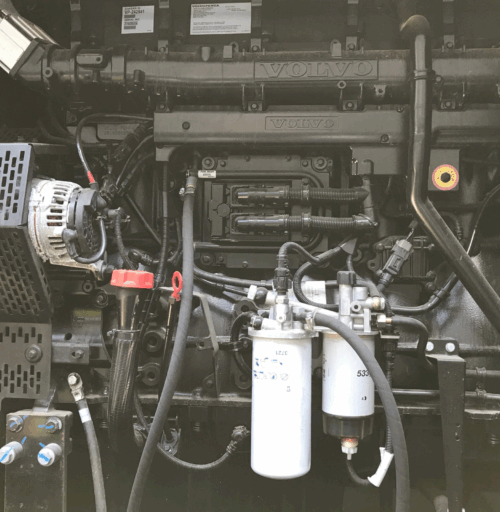
Credit: www.knowernetwork.com
Wet Stacking Basics
Wet stackinghappens when a generator runs too long without a full load. This causes unburned fuelto build up in the engine’s exhaust system. The fuel mixes with carbon and oil, creating a wet, black residue. This residue can harm the engine and reduce its efficiency.
Common causes of wet stacking include:
- Running the generator at low load for long periods.
- Frequent short runs without fully warming up.
- Incorrect fuel mixture or engine settings.
- Poor maintenance or dirty air filters.
Keeping the generator at a proper load helps burn fuel fully. Regular checks and maintenance can prevent wet stacking and protect the engine.

Credit: www.reddit.com
Impact On Generator Performance
Wet stackinglowers the generator’s efficiency. It means the engine uses more fuel but delivers less power. This happens because unburned fuel builds up inside the exhaust system and engine.
This buildup causes engine partsto wear out faster. The generator may also run rough or stall. Wet stacking can create carbon depositsthat block airflow. This reduces the engine’s ability to cool properly.
| Potential Damage | Effect on Generator |
|---|---|
| Carbon buildup | Blocks exhaust and reduces power |
| Engine wear | Shortens generator life |
| Fuel wastage | Increases operating costs |
| Overheating | Damages engine parts |
Wet Stacking In Standby Generators
Wet stackinghappens when unburned fuel builds up in the exhaust system. It is common in diesel standby generators that run for short times or under light load. This causes black, oily residue in the exhaust pipe.
Generators that run often but not at full loadare more likely to have wet stacking. Short runs do not let the engine reach the right temperature to burn fuel completely. This leads to waste fuel getting stuck inside.
- Running the generator at low load
- Frequent short run times
- Poor maintenance or dirty filters
- Cold engine operation
These factors increase the risk of wet stacking. Proper maintenance and running the generator at higher loads help reduce this issue.
Detection And Diagnosis
Wet stackinghappens when unburned fuel builds up in the exhaust system. This can make the generator run poorly and waste fuel. Common signsinclude black, oily residue on the exhaust pipe and a strong smell of fuel near the generator. The engine may also run rough or have trouble starting.
To check for wet stacking, inspect the exhaust pipe for wet, black soot. Listen for unusual engine noises or rough running. Measuring the exhaust temperature can help; lower than normal heat may indicate wet stacking. Fuel consumption higher than usual is another warning sign.
| Diagnostic Method | Description |
|---|---|
| Visual Inspection | Look for black, wet soot on exhaust and engine parts. |
| Temperature Check | Measure exhaust heat; cooler than normal suggests wet stacking. |
| Performance Monitoring | Note rough engine running or increased fuel use. |
| Smoke Observation | Watch for black smoke from the exhaust during operation. |
Prevention Strategies
Proper load managementhelps avoid wet stacking by ensuring the generator runs at the right power level. Running a generator at low loads for long periods causes unburned fuel to build up inside the engine. This buildup leads to wet stacking, which can damage the engine over time. Using the generator near its rated load for at least 30 minutes regularly helps burn off excess fuel. Avoid running the generator at less than 30% load for too long.
Regular maintenance keeps your generator running smoothly and prevents wet stacking. Check and change the oil and filters on time. Clean spark plugs and fuel injectors to ensure good combustion. Inspect the exhaust system for blockages or leaks. Running scheduled tests under load helps spot issues early. Following the maintenance schedule in the user manual is key.
Expert Recommendations
Wet stackinghappens when a generator runs too often at low power. This causes unburned fuelto build up in the engine. It is not normal and can harm the generator. To avoid wet stacking, always run the generator at full loadfor at least 30 minutes regularly. This helps burn off the extra fuel.
Keep the generator cleanand check the oil and filters often. Use the right fuel type and avoid letting the generator idle for long times.
- Run the generator under load regularly.
- Check for black smoke or strong fuel smell.
- Keep maintenance schedules up to date.
- Use quality fuel to reduce deposits.
Seek professional help if the generator shows poor performanceor frequent wet stacking signs. A technician can clean the engine and fix fuel system problems. Early help saves money and keeps the generator working well.
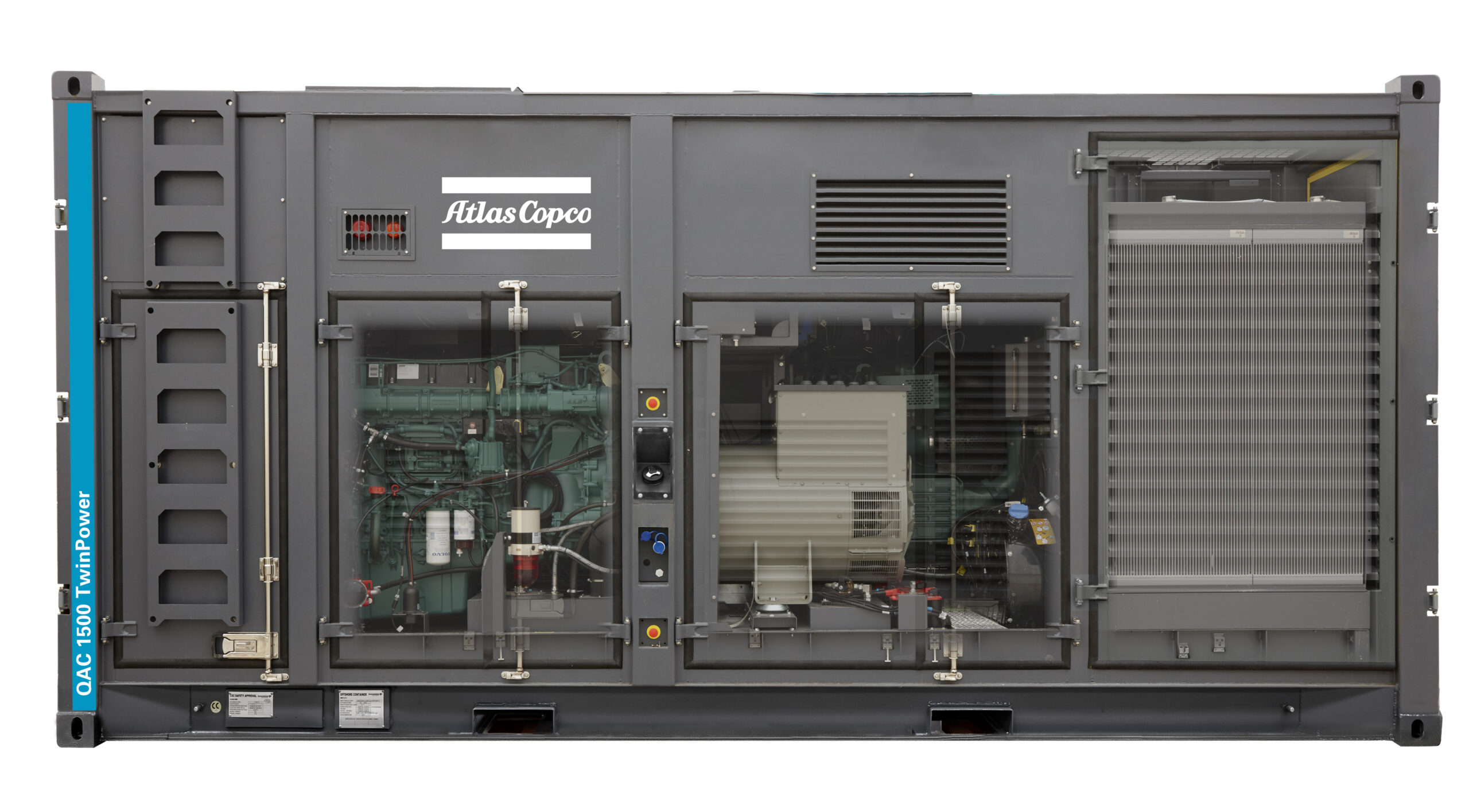
Credit: www.valleypowersystems.com
Frequently Asked Questions
What Is Wet Stacking In Standby Generators?
Wet stacking occurs when unburned fuel accumulates in the exhaust system. It happens due to short run times or low loads. This causes black soot and can damage the engine if untreated.
Is Wet Stacking Harmful To Standby Generators?
Yes, wet stacking can harm your generator. It reduces efficiency, clogs the exhaust, and may cause engine wear. Regular maintenance helps prevent these issues and extends generator life.
How Can I Prevent Wet Stacking In My Generator?
Run your generator under full load for at least 30 minutes regularly. This burns off excess fuel and keeps the engine clean. Also, schedule routine maintenance checks to avoid wet stacking.
Can Wet Stacking Be Normal During Standby Generator Use?
Wet stacking is common but not normal in well-maintained generators. It signals incomplete combustion and needs attention. Proper load management and maintenance reduce wet stacking risks.
Conclusion
Wet stacking is common but not normal for standby generators. It means the engine runs too rich or too cold. This can cause damage over time and reduce generator life. Regular checks and proper maintenance help prevent wet stacking. Run the generator fully during tests to burn off fuel.
Keep an eye on exhaust smoke and engine performance. Taking these steps keeps your generator reliable and ready when you need it most. Wet stacking signals a problem—don’t ignore it. Act early to protect your investment.