
Have you ever wondered if running your appliances during solar generating hours really makes a difference? What if the timing of using your washer, dishwasher, or air conditioner could save you money and help the environment at the same time?
Understanding when and how to use your appliances can unlock the full power of your solar system. Keep reading to discover why timing matters and how you can make smarter choices that benefit both your wallet and the planet.

Credit: www.jackery.com
Solar Power And Appliance Usage
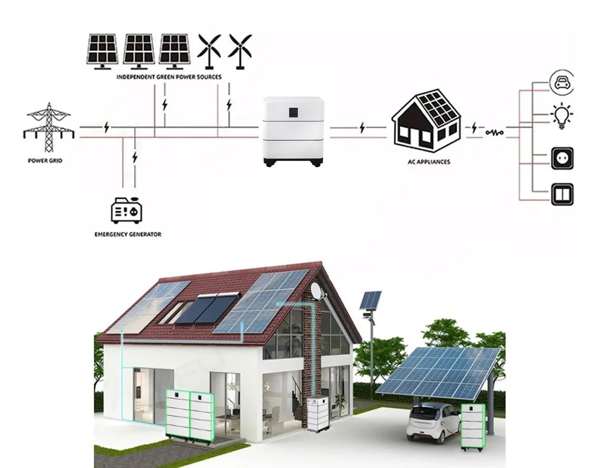
Solar panels create electricity from sunlight during the day. This electricity powers your home appliances. The best time to use appliances is during peak solar hours. These hours are when the sun is strongest, usually between 10 AM and 4 PM.
Using appliances during peak solar hours helps you save on electricity bills. It also reduces the use of grid power, which often comes from fossil fuels. Appliances like washing machines, dishwashers, and air conditioners work well during this time.
Understanding peak solar hours helps manage your home’s energy use smartly. This way, you make the most of the clean solar power your system produces.

Credit: morcapumps.com
Benefits Of Running Appliances During Solar Hours
Running appliances during solar generating hourshelps cut down on electricity bills. Using solar energy means less power from the grid. This saves money every month. It also lowers the total electricity used from non-renewable sources.
Solar panels work best when they produce energy. Using appliances at this time increases solar efficiency. It helps use the energy while it’s being made. This reduces the need to store energy in batteries, which can lose power over time.
- Lower electricity costsby using free solar power.
- Better useof solar energy as it is produced.
- Less stresson the electrical grid during peak hours.
- Reduced battery use, saving energy storage capacity.
Types Of Appliances To Run
Running high-power appliances like washing machines and dishwashers during solar hours saves energy and lowers bills. Low-power devices such as lights and fans also work well when the sun is shining. Timing appliance use with solar output maximizes clean energy benefits.
High Energy Appliances
High energy appliances like washing machines, dishwashers, and dryers use a lot of power. Running these during solar hours saves money and uses clean energy. Water heaters and ovens also consume much electricity. It is smart to use them when the sun is bright. This helps reduce the load on the grid and lowers electricity bills.
Smart Appliances And Automation
Smart appliances can be set to run during sunny hours. They start and stop automatically based on solar power availability. This makes energy use easy and efficient. Automation systems help manage when devices run without you needing to watch. This saves effort and helps the environment by using solar energy wisely.
Credit: gycxsolar.com
Challenges And Considerations
Battery storagecan store extra solar energy for use later. But batteries have limited capacity. Using many appliances at once may drain batteries quickly. This means less power for evening or cloudy days.
Solar systems do not produce power all day. Clouds, shadows,and time of day affect how much energy is made. Some appliances need a lot of power and might use more than solar panels produce. This can cause the system to switch to grid power.
| Factor | Impact |
|---|---|
| Battery Size | Limits how long stored energy lasts |
| Solar Output | Varies with sun and weather conditions |
| Appliance Power | High use can exceed solar supply |
Tips To Maximize Solar Savings
Running appliances during solar generating hourshelps use free energy. This reduces electricity bills significantly. Plan to use high-energy devices like washing machines, dishwashers, and dryers during these hours.
Using a timer or smart plugs can automate appliance use. This ensures appliances only run when solar power is available. Avoid using heavy appliances in the evening or night when solar power stops.
- Track your energy usedaily to see patterns.
- Use a solar app or monitor to check solar output.
- Adjust appliance schedules based on solar generation data.
- Reduce energy waste by turning off unused devices.
Future Trends In Solar And Appliance Integration
Smart home technologieshelp use solar energy wisely. Devices can turn on when the sun shines. They save energy and money. These systems learn your habits and adjust automatically. This makes home energy use more efficient and less wasteful.
Grid interactionlets homes talk to power companies. They can send energy back to the grid or use less power when needed. Demand responseprograms reward users for shifting appliance use to solar hours. This helps balance power supply and demand. It reduces stress on the grid and lowers costs.
Frequently Asked Questions
Should I Run Appliances During Solar Generating Hours?
Yes, running appliances during solar hours maximizes your solar energy use. It reduces reliance on the grid and lowers electricity bills. Using appliances while the sun shines ensures you get the most out of your solar system’s production.
Which Appliances Are Best To Run During Solar Hours?
High-energy appliances like washing machines, dishwashers, and dryers are best during solar hours. These devices consume more power and benefit most from direct solar energy. Running them during peak solar generation reduces your overall electricity costs.
Can Running Appliances During Solar Hours Damage My System?
No, running appliances during solar hours does not harm your solar system. Solar inverters and panels are designed to handle typical household loads. Using energy simultaneously with production is safe and efficient for your solar setup.
How Does Appliance Use Affect Solar Battery Storage?
Using appliances during solar hours can reduce battery drain by using power directly. It helps preserve stored energy for nighttime or cloudy days. This efficient usage extends your battery life and improves overall solar system performance.
Conclusion
Running appliances during solar hours saves money and energy. Solar power is free and plentiful. Use it wisely. By aligning usage with solar production, you reduce electricity bills. You also decrease reliance on the grid. This practice helps the environment, too.
Less fossil fuel consumption means lower carbon emissions. It’s a simple step. Yet effective for both your wallet and the planet. Think smart about energy use. Make solar work for you. Small changes can make a big impact. Embrace solar hours for a sustainable future.