Have you ever been left in the dark when the power suddenly goes out? Losing electricity can disrupt your daily routine, spoil food, and cause stress.
You might be wondering, “Should I buy a standby generator? ” This decision could change how you handle power outages forever. You’ll discover the key benefits and important factors to consider before making a choice. Keep reading to find out if a standby generator is the right solution for your home and peace of mind.
Benefits Of Standby Generators
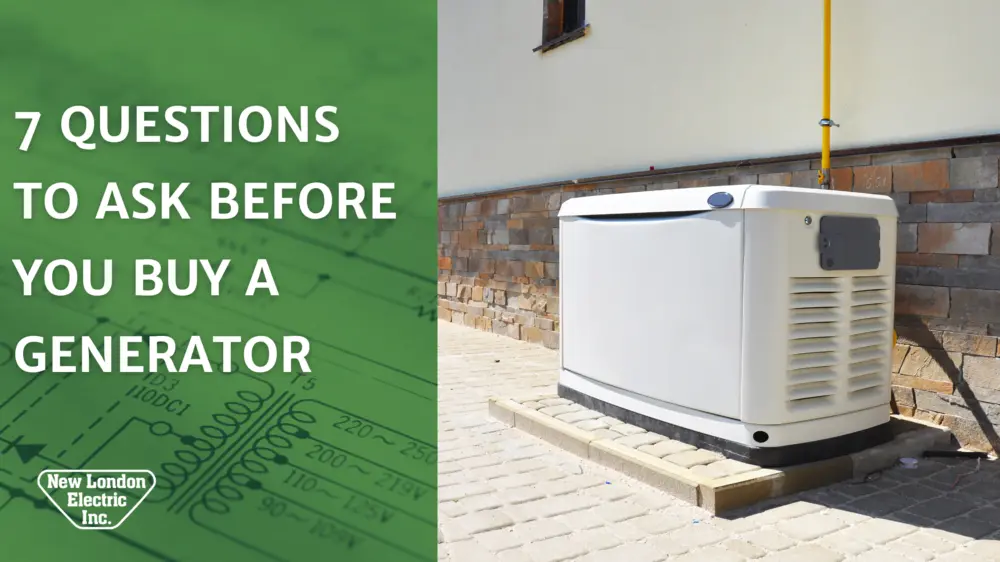
Standby generatorsprovide power automatically during outages. They start on their own and keep your home running without delay. No need to plug in or start them manually.
This automatic operationmeans lights, fridge, and heating stay on. It helps avoid food spoilage and keeps your family safe and comfortable.
Homes with standby generators often have higher value. Buyers like the security and convenience they offer. It can be a smart investment for your property.
Types Of Generators
Choosing between portable, standby, and inverter generators depends on your power needs. Standby generators offer automatic backup during outages, making them ideal for home use. Understanding each type helps decide if a standby generator suits your lifestyle.
Portable Vs Standby Generators
Portable generatorsare smaller and can be moved easily. They need manual setup and refueling. Good for short power outages or camping trips. Standby generatorsare fixed outside your home. They turn on automatically during a power outage. Ideal for long or frequent power failures.
Fuel Options
- Gasoline:Common for portable generators but hard to store long-term.
- Propane:Burns cleaner and stores longer than gasoline.
- Natural Gas:Used by standby generators; fuel supply is continuous.
- Diesel:Powerful and efficient but can be noisy and needs more care.
Power Capacity
| Generator Type | Power Range (Watts) | Best For |
|---|---|---|
| Portable | 1,000 – 8,000 | Small appliances and tools |
| Standby | 7,000 – 20,000+ | Whole house or large devices |
Cost Considerations
Initial purchase priceof a standby generator varies by size and power. Small units cost less, while larger ones are more expensive. This price usually includes the generator only, not extra parts or accessories.
Installation expensescan be significant. A professional must connect the generator to your home’s electrical system. Costs depend on the complexity of the work and local labor rates. Sometimes permits are needed, adding to the cost.
Maintenance and fuel costsalso matter. Generators need regular checks and oil changes. Fuel, such as propane or natural gas, must be purchased continuously. These costs add up over time and affect total ownership expenses.
Installation Requirements
Standby generators need a proper spot with enough space and good airflow. Professional installation ensures safety and meets local rules. Electrical and fuel connections must be done carefully to work well.
Professional Installation Needs
Expertsshould install standby generators to ensure safety and proper function. They have the skills to connect the generator to your home’s electrical system. This prevents damage and keeps everyone safe.
Location And Space
Generators need clear spacearound them for air flow and maintenance. Place them away from windows and doors to avoid fumes entering your home. The spot should be level and stableto hold the generator.
Permits And Regulations
Local laws often require permitsbefore installation. Check with your city or county office for rules. Following these keeps your home legal and avoids fines.
Safety And Environmental Factors
Carbon monoxideis a deadly gas produced by generators. It has no smell or color. Generators must be placed outside, far from windows and doors. Proper ventilation is crucialto avoid carbon monoxide buildup. Always use carbon monoxide detectorsindoors for safety.
Noise levelsvary by model. Some generators are loud and can disturb neighbors. Quieter models are better for residential areas. Check decibel ratings before buying. A low noisegenerator makes life easier during power outages.
Generators produce emissionsthat affect the environment. Newer models meet strict rules to reduce pollution. Look for EPA-certifiedgenerators to lower your carbon footprint. Using fuel efficiently also helps reduce environmental impact.

Credit: www.angi.com
Alternatives To Standby Generators
Portable generatorsare small and easy to move. They provide power during short outages. These generators run on gas or propane and can power a few devices.
Solar power solutionsuse sunlight to create electricity. Solar panels can charge batteries or power small appliances directly. These systems work well in sunny areas and save fuel costs.
Battery backup systemsstore electricity for use during outages. They charge from the grid or solar panels. Batteries provide quiet power without fuel and need less maintenance.
Assessing Your Power Needs
Think about which appliancesmust keep working during an outage. Items like refrigerators, heaters,and medical devicesare often critical. A generator should support these without overloading.
Consider how long power might be out. Short outages may need a small generator. Long outages require a larger, more reliable system.
| Outage Duration | Generator Size | Notes |
|---|---|---|
| Less than 4 hours | Small | Supports basic needs |
| 4 to 12 hours | Medium | Runs several appliances |
| More than 12 hours | Large | Handles most home power |
Budget is key. Generators cost from a few hundred to several thousand dollars. Think about installation, fuel,and maintenancecosts. Also, plan if you want the generator for a short time or many years.

Credit: generxgenerators.com
Making The Right Choice
Choosing a standby generatormeans thinking about the benefitsand drawbacks. They give power during outages, keeping your home safe and devices working. But, they can cost a lot and need regular care. Consider how often power goes out in your area. Also, think about how much power you need. This helps decide if a standby generator fits your needs.
Expertscan help you pick the right generator. They check your home’s power needs and suggest suitable models. They also explain installation and maintenance. Getting advice from professionals can save money and trouble later.
Planning for future upgradesmeans thinking ahead. Your power needs might grow with new appliances or home additions. A good standby generator should handle extra load. This prevents buying a new generator soon after installation.

Credit: thewoodlandsplumbingandair.com
Frequently Asked Questions
What Is A Standby Generator And How Does It Work?
A standby generator automatically powers your home during outages. It runs on gas or propane and switches on within seconds. This ensures continuous electricity without manual setup, providing safety and convenience during power failures.
Are Standby Generators Worth The Investment?
Standby generators offer reliable backup power and increase home value. They protect appliances and improve safety during outages. Though costly upfront, their convenience and long-term benefits often justify the investment.
How Much Does A Standby Generator Cost To Install?
Installation costs vary from $3,000 to $10,000 depending on size and complexity. Larger units and professional setup increase expenses. It’s best to get multiple quotes to find the right price for your needs.
What Size Standby Generator Do I Need For My Home?
Choose a generator size based on your essential appliances’ power needs. A 7kW unit covers basics; larger homes may need 20kW or more. Consulting a professional ensures you select the right capacity.
Conclusion
Deciding on a standby generator depends on your needs. Power outages disrupt daily life. Generators provide reliable backup power. They keep essential appliances running smoothly. Consider your budget and power requirements. Think about safety and installation factors. Research different models and their features.
Evaluate the long-term benefits and costs. A standby generator can offer peace of mind. It ensures your home stays powered during outages. Make an informed choice to suit your lifestyle.