
When the lights go out, you’re left in the dark, wondering how to keep your home running smoothly. You know you need a generator, but should you choose a portable or standby model?
This decision isn’t just about convenience; it’s about peace of mind and ensuring your family’s comfort during unexpected power outages. Imagine the relief of never having to worry about spoiled food, lost work hours, or chilly nights. As you weigh your options, consider how each type of generator fits into your lifestyle and budget.
Stick with us as we break down the benefits of portable and standby generators, helping you make the best choice for your home and needs.
Credit: www.premium-electric.ca
Types Of Generators
Choosing between a portable or standby generator depends on your power needs and budget. Portable generators offer flexibility, while standby generators provide automatic power during outages. Understanding these differences helps make the best choice for your home or worksite.
Portable Generators
Portable generatorsare small and easy to move. They run on gasoline and can power a few devices at once. Great for camping or short power outages. You need to start them manually. They are less expensive but less powerful. Not meant for whole house use. Must be used outside to avoid carbon monoxide danger.
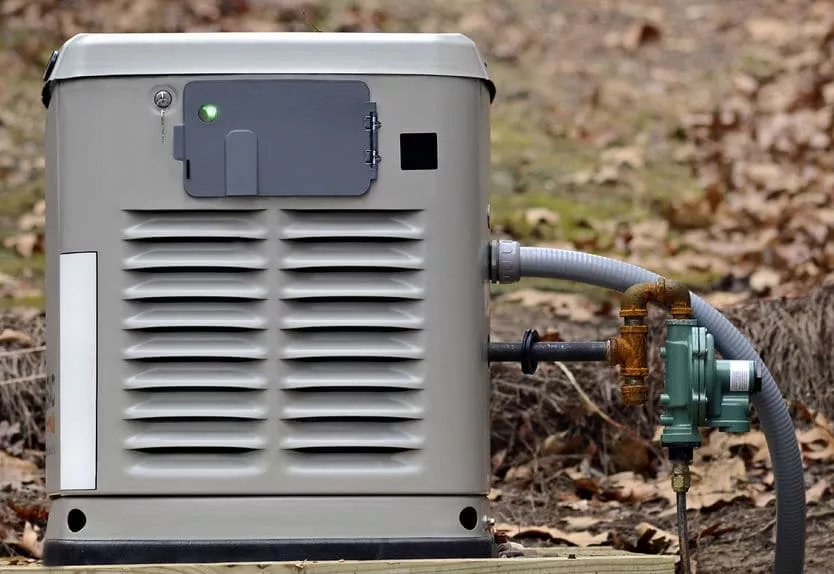
Standby Generators
Standby generatorsare fixed outside your home. They run on natural gas or propane. Turn on automatically when power goes out. Can power your whole house or important parts. More expensive but very reliable. Require professional installation and regular maintenance. Work quietly and safely in bad weather.
Power Output Comparison
Portable generatorsusually provide between 1,000 and 10,000 watts. They are good for small appliances and tools. Standby generatorsoffer much higher power, from 7,000 to 50,000 watts. They can run a whole house or business easily.
Portable units have smaller tanks and run shorter times. Standby units connect to home fuel lines like natural gas. This means they can run longer without refueling.
| Feature | Portable Generator | Standby Generator |
|---|---|---|
| Wattage | 1,000 – 10,000 watts | 7,000 – 50,000 watts |
| Fuel Type | Gasoline, propane | Natural gas, propane |
| Run Time | Few hours (small tank) | Many hours (connected to fuel line) |
| Use | Small appliances, tools | Whole house, business |
Installation And Setup
Portable generatorsoffer easy movement. They can be taken to different places. This makes them great for camping or outdoor use. They are usually small and light.
Standby generatorsstay fixed in one place. They connect directly to your home’s electrical system. This means no need to move or carry them.
- Portable generators often need manual setup each time.
- Standby generators require professional installation.
- Professional help ensures safe and correct wiring.
- Standby generators usually connect to home fuel lines.
- Portable generators run on gas or propane tanks.
Professional installation keeps your home safe from electrical hazards. Experts know local codes and rules. This reduces risks during power outages.
Cost Considerations
Initial purchase pricevaries between portable and standby generators. Portable generators are usually less expensiveupfront. Standby generators cost more due to their size and installation needs. The price depends on power capacityand brand quality.
Maintenance and running costsalso differ. Portable generators need regular fuel and oil changes. Standby generators have automatic maintenance systems but require professional servicing. Fuel type affects running costs; standby models often use natural gas, which is cheaper than gasoline for portable units.
| Cost Factor | Portable Generator | Standby Generator |
|---|---|---|
| Initial Price | Lower ($300 – $2,000) | Higher ($2,000 – $7,000+) |
| Fuel Type | Gasoline or propane | Natural gas or propane |
| Maintenance | User-managed (oil, filters) | Professional service needed |
| Running Cost | Higher fuel cost | Lower fuel cost |
Usage Scenarios
Emergency home backupneeds a generator that turns on fast and runs quietly. Standby generators connect to your home’s electrical system. They start automatically when power goes out. Portable generators need manual setup but offer flexibility. Choose standby for longer outages and whole-house power. Portable suits shorter outages or powering a few devices.
Outdoor and recreational usefits portable generators best. They are easy to move and store. Great for camping, tailgating, or outdoor parties. They power small appliances, lights, and electronics. Standby generators are not made for moving or outdoor fun.
Business continuitymeans keeping things running during power loss. Standby generators provide reliable power to offices and stores. They protect computers, cash registers, and security systems. Portable generators can help but need manual start and refuel often. Standby is better for critical needs and long hours.

Credit: www.angi.com
Safety And Regulations
Operating a generatorrequires strict attention to safety. Always place it outside, far from windows and doors. Generators produce dangerous carbon monoxide gas. Never run a generator indoors or in a garage. Use heavy-duty extension cordsto connect appliances. Keep fuel in approved containers and store it safely away from the generator. Turn off the generator and let it cool before refueling to avoid fire risks. Regularly check the generator for damage or leaks. Follow the manufacturer’s instructions carefully.
Local codes and permits vary by area. Many places require a permit before installing a standby generator. Check with your local building department to learn the rules. Some areas have noise limits and placement restrictions. Failing to follow codes can lead to fines or removal of the generator. Hiring a licensed electrician can help ensure proper installation. Always keep documentation of permits and inspections for your records.
Noise Levels And Environmental Impact
Portable generatorsare usually louder than standby ones. Their noise can reach 70 to 90 decibels. This is like a lawn mower or heavy traffic. Standby generators run at about 60 decibels, similar to normal conversation. Noise can bother neighbors or disturb sleep.
Emissions differ too. Portable generators often use gasoline, which produces more carbon monoxideand pollutants. Standby generators use natural gas or propane. These fuels burn cleaner and emit less harmful gases.
Choosing a generator affects the environmentand your comfort. Standby models are quieter and more eco-friendly. Portable ones are noisier and cause more pollution but are easier to move.

Credit: www.aeheatingandcooling.com
Fuel Types And Availability
Gasolineis easy to find and works well for portable generators. It stores for a short time and can go bad quickly. Gasoline is best for short-term use but needs safe storage.
Propane and Natural Gaslast longer and burn cleaner than gasoline. Propane can be stored in tanks for years. Natural gas comes through pipes, so it won’t run out during storms. Both fuels suit standby generators well.
Dieselis strong and efficient, good for heavy-duty use. Diesel lasts longer than gasoline but needs careful handling. It is common for standby generators but less usual in portable ones.
Maintenance And Durability
Portable and standby generators need regular maintenanceto run well. Checking oil levels, air filters, and spark plugs keeps them working smoothly. Clean the fuel system and replace old fuel to avoid problems. Testing the generator every month helps find issues early.
Standby generators usually last 10 to 30 years. Portable ones last about 5 to 15 years. Lifespan depends on how often you use and care for them. Proper maintenance can extend the lifeof any generator. Store them in a dry place to avoid rust and damage.
Making The Right Choice
Assessing your power needshelps decide between portable and standby generators. Portable generators work well for small taskslike camping or short power outages. Standby generators supply whole-house powerand turn on automatically during outages. Consider what devices and how many watts you need. Portable generators usually provide up to 7,500 watts. Standby generators can provide 20,000 watts or more. Think about the duration and frequency of outages too.
Budget and long-term planningmatter. Portable generators cost less upfront but need manual setup. Standby generators cost more but offer automatic power. Maintenance costs differ. Portable models need more hands-on care. Standby units require professional installationand regular servicing. Consider your budget, power needs, and how often you expect outages. This helps choose the best option for your home and wallet.
Frequently Asked Questions
What Are The Main Differences Between Portable And Standby Generators?
Portable generators are movable and cost less. Standby generators are fixed, start automatically, and power whole homes. Portable units suit short outages, while standby units handle long-term power needs efficiently.
How Do I Choose Between Portable And Standby Generators?
Consider your power needs, budget, and installation options. Portable units are cheaper and flexible. Standby generators provide seamless power but require professional setup and higher investment.
Are Standby Generators More Reliable Than Portable Ones?
Yes, standby generators offer higher reliability. They start automatically during outages and connect directly to your home’s electrical system. Portable generators need manual setup and refueling, making them less convenient for continuous power.
Can Portable Generators Power An Entire Home?
Usually, no. Portable generators typically power essential appliances only. Standby generators are designed to support entire homes, ensuring all critical systems remain operational during outages.
Conclusion
Choosing between a portable and standby generator depends on your needs. Portable generators suit short-term power and outdoor use. Standby generators provide automatic power for your whole home. Consider budget, power needs, and how often you lose electricity. Think about safety and fuel types too.
Both types have pros and cons. The right choice keeps your home safe and comfortable. Take your time to decide what fits best for you.