Are you tired of power outages disrupting your daily life? Have you ever wondered if there’s a reliable, eco-friendly solution that can keep your devices running no matter what?
If so, you’re not alone. Many people are exploring the benefits of solar generators as a potential game-changer for their energy needs. But is a solar generator the right choice for you? We’ll dive into the key reasons why you should consider investing in one, unravel the myths, and empower you with the knowledge to make an informed decision.
Discover how a solar generator could revolutionize your energy experience and bring peace of mind to your home. Ready to find out more? Let’s explore together.

Credit: www.goodhousekeeping.com
Benefits Of Solar Generators
Solar generatorsuse sunlight to create power. This means they make clean and renewable energy. They do not cause pollution or use fuel. This helps protect our planet.
They can save money over time. After buying one, there are no fuel costs. They need little maintenance and last for years.
- Portable and lightweight, easy to carry.
- Works well outdoors or during power outages.
- Can charge small devices or run small appliances.
Solar generators work quietly. They do not make loud noises like gas generators. This makes them good for camping or home use.
Types Of Solar Generators
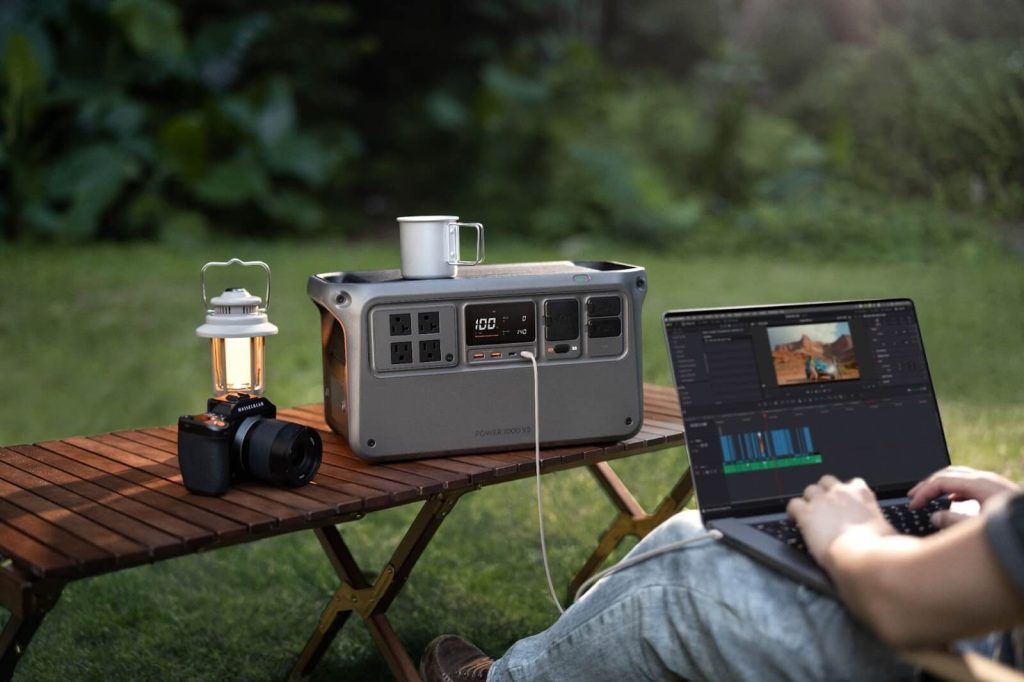
Portable solar generatorsare small and easy to carry. They are great for camping, outdoor trips, or small power needs. These generators use solar panels to collect sunlight and store energy in batteries. They can power devices like phones, lights, and small appliances.
Home backup systemsare larger and designed to power your house during outages. They connect to your home’s electrical system and store more energy. These systems keep important appliances running during storms or blackouts. They need bigger solar panels and batteries.
Hybrid solar generatorscombine solar power with other energy sources. They can use fuel or electricity when sunlight is low. This makes them reliable and flexible. Hybrid systems are good for places with less sun or higher power needs.
Key Features To Consider
Power capacityshows how much energy the solar generator can store. Check the watt-hours (Wh)to know how long it can run your devices. Output power, measured in watts, tells how many devices it can power at once. Choose one that fits your needs.
The battery typeaffects weight and lifespan. Lithium-ion batteries last longer and weigh less than lead-acid ones. Lifespan is often given in charge cycles. More cycles mean the battery lasts longer.
Different charging optionsadd convenience. Solar panels, wall outlets, and car chargers are common. Having several ways to charge can be useful in various situations.
Durabilitymeans the solar generator can handle rough use. Look for materials that resist water, dust, and shocks. Check if it has a good IP ratingto know its weather resistance.
Common Uses For Solar Generators
Solar generatorsprovide a reliable emergency power supply. They keep lights on and devices charged during outages. No fuel needed. Quiet and clean energy.
Great for outdoor activities and camping. Power small appliances, charge phones, and run lights. Lightweight and easy to carry.
Useful at remote work siteswithout electricity. Power tools and equipment safely. No noisy gas generators.
Perfect for everyday home use. Charge phones, laptops, and small devices. Save money on electricity bills.
Comparing Solar Generators With Traditional Options
Fuel-based generatorsrun on gas or diesel. They make noise and cause pollution. They need fuel refills and regular maintenance. Good for long power outages but not very eco-friendly.
Battery-powered generatorsuse stored electric energy. They are quiet and clean. Limited run time, so they need recharging. Great for small devices and short use periods.
Grid poweris reliable and widely available. It does not require fuel or charging. But it can fail during storms or blackouts. Not portable, so you need backup options sometimes.
Cost Analysis And Financial Incentives
The initial investmentfor a solar generator includes the cost of the unit and installation. Prices vary based on capacity and brand, usually ranging from a few hundred to several thousand dollars. Choosing the right size depends on your power needs.
Long-term savingscome from lower electricity bills. Solar generators use free sunlight to produce power. This means less reliance on grid electricity and fuel for backup generators. Over time, these savings can cover the initial cost.
| Type | Description | Benefit |
|---|---|---|
| Federal Tax Credits | Government offers credit for solar equipment costs. | Reduces initial payment by up to 30%. |
| State Rebates | Some states provide cash rebates for solar purchases. | Immediate cash back after purchase. |
| Utility Incentives | Electric companies may offer discounts or credits. | Lower ongoing electricity costs. |
Installation And Maintenance Tips
Place the solar generator in a spot with direct sunlight. Avoid shaded areas to get the best power output. Connect solar panels securely to the generator. Use the right cables and follow the manual for safety. Keep the panels clean by wiping dust and dirt regularly.
Check battery levels weekly to keep the generator working well. Look for any loose wiresor damaged parts. Store the generator in a dry place when not in use. Charge the battery fully before storing for a long time. Test the generator every month to ensure it runs smoothly.
- Generator won’t start? Check the battery charge first.
- No power output? Confirm all cables are connected.
- Panels dirty? Clean with a soft cloth and water.
- Warning lights on? Refer to the manual for error codes.
- Strange noises? Turn off and inspect internal parts.

Credit: www.jackery.com
Environmental Impact
Solar generatorshelp in cutting down carbon emissions. They use energy from the sun, a clean and endless source. This reduces reliance on fuel-powered generators that release harmful gases.
Using solar power lowers your carbon footprint. It means less pollution and a healthier planet. Solar energy is renewableand does not run out like fossil fuels.
Sustainability benefitsinclude:
- No noise pollution, unlike gas generators.
- Less waste and fewer harmful chemicals.
- Energy savings that protect natural resources.
- Supports a cleaner environment for future generations.
When To Choose A Solar Generator
Assess your energy needsby checking how much power you use daily. Solar generators work best for small to medium power demands, like charging phones, laptops, or running small appliances.
Location and climate play a big role. Places with lots of sunlighthelp solar generators work well. Cloudy or shady areas might reduce their efficiency.
- Sunny areas:Solar generators perform better.
- Cloudy regions:May need larger or backup systems.
- Shady spots:Not ideal for solar power.
Think about your lifestyle and how often you use power outdoors or during outages. Solar generators are good for camping, emergency backup, and light daily use. They are quiet and clean but need sunlight to recharge.

Credit: www.outdoorlife.com
Frequently Asked Questions
What Is A Solar Generator And How Does It Work?
A solar generator stores energy from sunlight using solar panels. It converts sunlight into electricity and saves it in batteries for later use. It’s a clean, portable power source ideal for emergencies, camping, or off-grid living.
Are Solar Generators Cost-effective Compared To Traditional Generators?
Solar generators have higher upfront costs but save money long-term. They require no fuel and have low maintenance. Over time, they reduce electricity bills and offer an eco-friendly alternative to gas-powered generators.
Can A Solar Generator Power My Entire Home?
Most solar generators power small appliances and essential devices. For full home use, you need a large system or multiple units. They work best for backup power during outages or off-grid situations.
How Long Do Solar Generators Last On A Single Charge?
Solar generator run times depend on battery capacity and device usage. Small units last a few hours; larger ones can run devices for days. Charging time varies with sunlight availability and panel size.
Conclusion
Choosing a solar generator can save money and energy over time. It offers quiet power without fuel or noise. Portable models help during trips or emergencies. Consider your power needs and budget first. Solar generators suit outdoor lovers and those seeking backup power.
They reduce your carbon footprint too. Think about how often you need power on the go. A solar generator might be a smart, eco-friendly choice for you.