
Imagine this: a storm hits, and suddenly, your home is plunged into darkness. The food in your fridge starts to thaw, your phone battery is dying, and your home feels eerily silent.
It’s moments like these when you might wonder, “Should I get a standby generator? ” You’re not alone in pondering this question, especially considering the unpredictable weather patterns we’ve seen in recent years. Investing in a standby generator might seem like a big decision, but it could be the key to keeping your home powered and your life running smoothly when the unexpected happens.
This article will explore whether a standby generator is the right choice for you in 2017, helping you weigh the pros and cons, understand the costs, and ultimately decide if this investment will bring you peace of mind and security. Keep reading to discover how a standby generator could transform your home’s resilience and ensure you’re never left in the dark again.

Credit: www.kingaire.us
Benefits Of Standby Generators
A standby generator provides power without delayduring outages. It starts automatically, keeping your home running smoothly.
The automatic operationmeans no need to turn it on yourself. It senses power loss and starts on its own.
- Increased home safetyby keeping lights and alarms on.
- Prevents food spoilage by powering refrigerators.
- Protects electronicsfrom sudden power surges or drops.
Using a standby generator helps avoid damageto sensitive devices. It gives you peace of mind during storms or outages.
Cost Considerations
The initial investmentfor a standby generator can be high. Costs depend on size and brand. Installation fees add to the price. Some models need special permits or electrical work.
Maintenance expenses include fuel, oil changes, and regular check-ups. Generators need testing to ensure they work during power outages. Parts may wear out and need replacing. Budgeting for upkeep is important to avoid surprises.
| Cost Type | Details | Typical Range |
|---|---|---|
| Initial Investment | Generator price, installation, permits | $2,000 – $7,000 |
| Maintenance | Fuel, oil, parts, annual service | $100 – $300 per year |
| Long-Term Savings | Prevent loss from outages, property damage | Varies by usage and outage frequency |
Long-term savings come from avoiding food spoilage and damage. A generator helps keep homes safe and comfortable. It can reduce stress during blackouts. Savings depend on how often power goes out.
Installation Process
Professional installationis key for a standby generator. Experts ensure the generator works safely and correctly. They handle wiring, fuel lines, and testing.
Placementneeds enough space for the unit and air flow. It should be away from windows and doors to avoid fumes inside. A flat, solid surface is best.
| Permit Type | Reason |
|---|---|
| Electrical Permit | To connect generator to home wiring |
| Building Permit | To meet local safety codes |
| Fuel Storage Permit | If storing large fuel tanks |
Local rulesand permitsvary. Check with city offices before installation. This keeps everything legal and safe.

Credit: weather.com
Fuel Options
Standby generators offer various fuel choices like natural gas, propane, or diesel. Each fuel type affects cost, availability, and maintenance needs. Understanding these options helps decide the best fit for your power backup.
Fuel options for standby generators vary in cost, availability, and maintenance needs. Natural gas generators run on gas piped into homes. They provide constant fuel supply without refilling. These generators are quiet and clean but need a gas line connection. Propane generators use a liquid fuel stored in tanks. They are easy to store and transport. Propane burns clean and lasts long without spoiling. Tanks need regular refilling, which can be a hassle during long outages. Diesel generators use diesel fuel, known for high power output and efficiency. Diesel is widely available and easy to store for short times. These generators tend to be noisy and require more maintenance. Diesel engines last longer but can be costly to run.| Fuel Type | Pros | Cons |
|---|---|---|
| Natural Gas | Continuous supply, clean, quiet | Needs gas line, not portable |
| Propane | Clean burn, easy storage, portable | Needs refilling, fuel tanks bulky |
| Diesel | Powerful, efficient, long engine life | Noisy, more maintenance, fuel cost |
Comparing Standby To Portable Generators
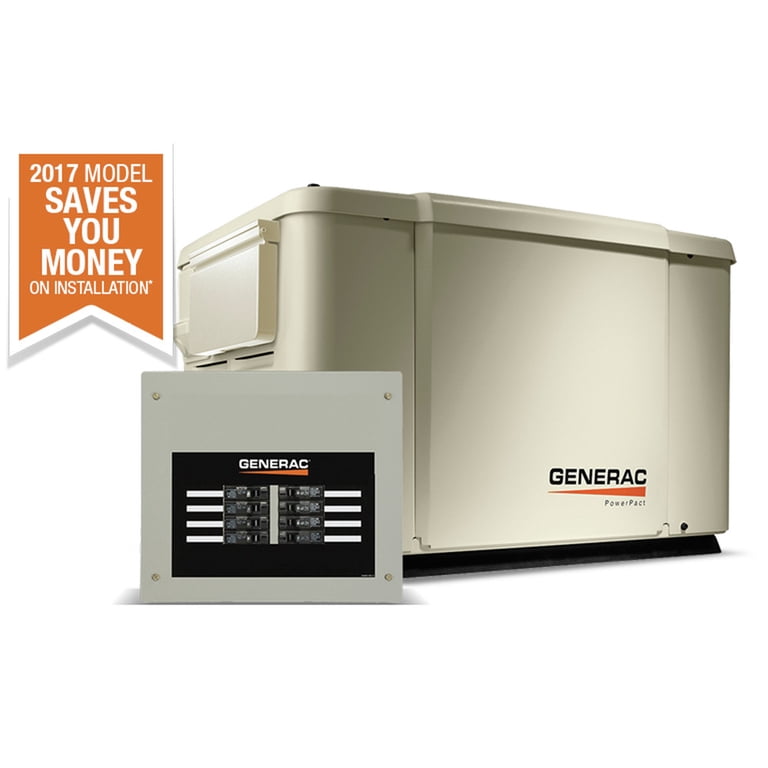
Standby generatorsusually provide more power than portable ones. They can run your whole house easily. Portable generators offer less power but are good for small needs like camping or tools.
Standby units start automaticallyduring power cuts. Portable generators need to be started by hand. Standby generators work quietly and do not need moving. Portable ones are noisy and must be moved to use.
| Feature | Standby Generator | Portable Generator |
|---|---|---|
| Cost | Higher initial cost | Lower initial cost |
| Maintenance | Requires regular service | Needs simple care |
| Ease of Use | Automatic operation | Manual start and setup |
Credit: www.walmart.com
Who Should Consider A Standby Generator
Homeowners in areas with frequent power outagesbenefit greatly from standby generators. These generators turn on automatically, keeping lights and appliances running without interruption.
Businesses that require constant poweravoid losses by using standby generators. They help maintain operations during blackouts, protecting equipment and data.
Families with medical devicesneed reliable power to keep equipment working. Standby generators provide peace of mind for health and safety.
Common Myths And Misconceptions
Noise levelsof standby generators are often misunderstood. Many think they are very loud. In fact, modern models run quietly. They use soundproofing and mufflers. Noise is similar to a normal conversation or a window air conditioner.
Complexity of operationseems scary to some. Standby generators start automatically during power outages. No need to touch a button or fuel them manually. They require little user input after installation. Maintenance is simple and usually done once a year.
Environmental impactworries many. Standby generators run on natural gas or propane. These fuels burn cleaner than gasoline or diesel. Some models have low emissions and meet strict standards. They only run when power is out, so they do not waste fuel.
Frequently Asked Questions
What Is A Standby Generator And How Does It Work?
A standby generator is a backup power system that automatically activates during outages. It runs on fuel like natural gas or propane. It supplies electricity to your home or business until power returns, ensuring continuous operation and comfort without manual intervention.
Should I Install A Standby Generator At Home?
If you experience frequent or prolonged power outages, a standby generator is a smart choice. It protects appliances, keeps essential systems running, and provides peace of mind. Evaluate your power needs and budget before deciding to install one.
How Much Does A Standby Generator Cost In 2017?
In 2017, standby generator prices typically ranged from $2,000 to $7,000, excluding installation. Installation costs vary based on home size and generator capacity. Always get multiple quotes and consider long-term benefits when budgeting for a generator.
What Are The Main Benefits Of A Standby Generator?
Standby generators offer automatic power backup, safety during outages, and protect appliances. They maintain comfort by powering heating, cooling, and refrigeration systems. They also increase property value and provide convenience, especially in areas prone to blackouts.
Conclusion
A standby generator offers reliable power during outages. It keeps your home safe and comfortable. Installation costs vary but provide peace of mind. Think about how often power cuts happen in your area. Consider your budget and energy needs carefully.
A standby generator can be a smart choice for many. It ensures you stay connected without stress. Choose the option that fits your lifestyle best.