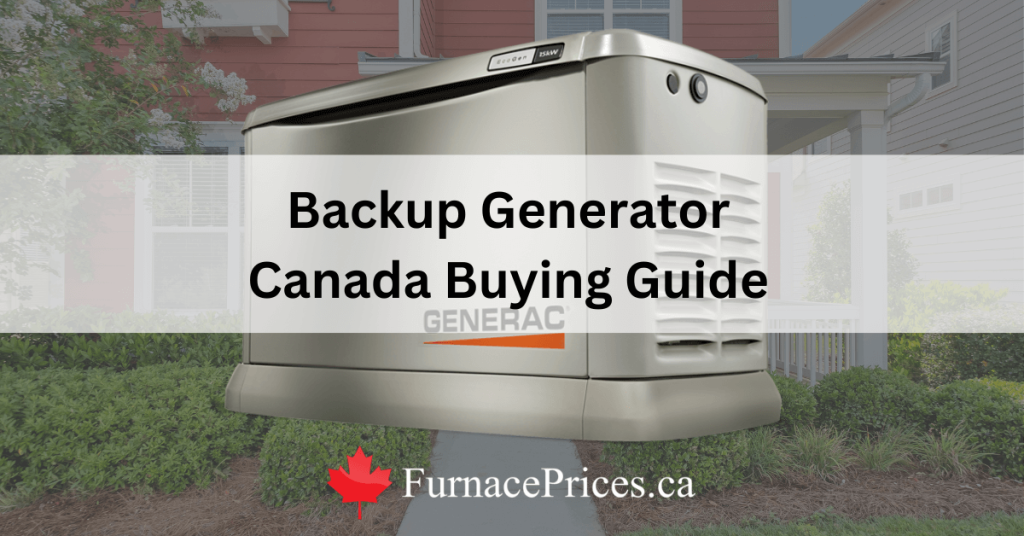
Picture this: a storm rolls in, and suddenly, your home is plunged into darkness. No lights, no heating, no way to charge your phone.
It’s a situation you never want to find yourself in, but it happens. That’s where a standby generator comes into play. You might be wondering, “Should I get a standby generator? ” This question is more common than you think, and the answer could change how you handle power outages forever.
Imagine the peace of mind knowing that your home can stay powered no matter what. With a standby generator, you can avoid the stress and inconvenience of unexpected blackouts. It’s not just about keeping the lights on; it’s about ensuring your family’s safety and comfort. But is it the right choice for you? We’ll explore the benefits, costs, and key considerations to help you decide if a standby generator is a wise investment for your home. Stick around to find out if it’s time to make your home more resilient.

Credit: www.angi.com
Benefits Of Standby Generators
Standby generators provide a continuous power supplyduring outages. They switch on automatically, keeping your home powered without delay. This means no food spoilage or interrupted work.
Their automatic operationstarts the generator within seconds of power loss. No need to plug in or start it manually. This ease of usegives peace of mind during storms or emergencies.
Having a standby generator can increase your home’s value. Buyers see it as a useful and reliable feature. It makes your home more attractive in the market.
- Safety:Keeps essential devices running like alarms and lights.
- Security:Prevents dark, unsafe situations during blackouts.
- Comfort:Maintains heating or cooling systems working.

Credit: lghomecomfort.ca
Types Of Generators
Portable generatorsare small and easy to move. They run on gas and work well for short power outages. They need to be outside because of fumes. Not good for big homes.
Standby generatorsstay outside your home and turn on automatically. They use natural gas or propane. They power the whole house during long outages. They cost more but need less work.
Inverter generatorsare quiet and fuel-efficient. They make clean power, good for sensitive devices. They are smaller but not as powerful as standby generators.
Factors To Consider Before Buying
Assess your power needscarefully. List the devices you want to run during outages. This helps decide the generator size. Larger homes need bigger units. Small apartments may need less power.
Choose a fuel typethat fits your lifestyle. Common options are natural gas, propane, or diesel. Each fuel has pros and cons. Availability and storage matter.
Consider the installation process. Some generators require professional help. Space and local codes affect installation. Think about where the unit will sit.
Check the noise level. Some units run quietly, others can be loud. Noise matters if you have close neighbors or sensitive ears.
Plan your budget. Costs include the generator, installation, and maintenance. Compare prices and warranties. Balance what you can spend with what you need.
Installation Process
Site preparationincludes clearing the area and leveling the ground. The generator must sit on a stable, flat surface to work well. Proper space around the unit is needed for air flow and easy access.
Permits and regulationsvary by location. Check local rules before installation. Getting the right permits helps avoid fines and ensures safety.
Professional installationis important. Experts connect the generator to your home’s electrical system safely. They also set up fuel lines and test the unit.
- Check electrical connections
- Ensure fuel supply is secure
- Verify proper grounding
Testing and maintenancekeep the generator ready. Run tests regularly to spot issues early. Change oil and filters as the manual says. Keep the unit clean and clear of debris.
Cost Breakdown
The generator pricedepends on size and power. Small models cost less than large ones. Expect prices from $500 to $5,000or more.
Installation feesinclude labor and materials. Electricians may charge $500 to $2,000. Complex setups cost more.
Fuel expensesvary by fuel type. Natural gas is cheaper than propane or diesel. Costs depend on usage and local prices.
Maintenance costscover oil changes, filters, and checks. Plan for $100 to $300yearly. Proper care keeps the generator running well.
Common Misconceptions
Standby generatorsdo not provide unlimited power. They supply enough electricity to run essential appliances and systems during an outage. Power limits depend on the generator’s size and capacity.
These generators are not only for large homes. They can be sized to fit small or medium homes too. Many models are flexible and customizable for different needs.
Maintenance is usually simple. Regular oil changes, filter checks, and testing keep the generator running smoothly. Most models have automatic self-tests, reducing effort.
Using a standby generator is straightforward. They start automatically when power fails and stop when it returns. No manual work is needed during outages.
Alternatives To Standby Generators
Solar power systemsuse sunlight to create electricity. They work well during the day and can lower your electric bills. Solar panels need space and good sunlight to work best.
Battery backup solutionsstore energy to use when power goes out. They are quiet and need little maintenance. Batteries need charging before use and can power only a few devices for a short time.
Portable generatorsare easy to move and use. They run on gas or propane. Portable generators provide power during outages but need fuel and regular care. They can be noisy and require safe operation outdoors.

Credit: www.angi.com
Tips For Long-term Reliability
Regular testingkeeps your standby generator ready. Run it for a few minutes every month. This helps find issues early. It also keeps engine parts moving smoothly.
Scheduled maintenanceensures long life. Change oil and filters as the manual says. Check battery and clean connections. Tighten bolts and inspect for leaks.
Fuel storage best practicesprotect your generator. Use fresh fuel and keep it in a cool, dry place. Add fuel stabilizer to prevent bad fuel. Rotate fuel every six months.
Upgrading componentscan improve reliability. Replace old batteries, spark plugs, and air filters. New parts help the generator start easily and run better.
Frequently Asked Questions
What Is A Standby Generator And How Does It Work?
A standby generator is a backup power system that automatically turns on during outages. It connects to your home’s electrical system and runs on fuel like natural gas or propane, ensuring uninterrupted power without manual intervention.
How Much Does A Standby Generator Cost?
The cost varies between $2,000 and $10,000 or more. It depends on generator size, fuel type, installation complexity, and additional features like automatic transfer switches.
Are Standby Generators Worth The Investment?
Yes, they provide reliable power during outages, protect appliances, and increase home value. They offer peace of mind, especially in areas prone to frequent blackouts.
How Often Should A Standby Generator Be Maintained?
Maintenance is recommended every 6 to 12 months. Regular checks ensure efficiency, extend lifespan, and prevent unexpected failures during power outages.
Conclusion
A standby generator can bring peace during power outages. It keeps your home running smoothly and safely. Think about your needs and budget before deciding. Consider how often outages happen in your area. A good generator adds comfort and convenience to life.
It is an investment in security and daily ease. Choose wisely to protect your home and family.