
Are you tired of unexpected power outages or high electricity bills? You might be wondering whether installing solar panels or getting a generator is the better choice for your home.
Both options have their strengths, but which one truly fits your needs and lifestyle? By the end of this article, you’ll have a clear idea of which solution saves you money, keeps your lights on, and matches your daily routine.
Let’s dive in and help you make the smartest energy decision for your home.
Solar Power Basics
Solar panelscatch sunlight and change it into electricity. This electricity powers your home or charges batteries for later use. They work best on sunny days but can still produce some power on cloudy days.
| Type of Solar System | Description |
|---|---|
| Grid-Tied | Connected to the local power grid. You can sell extra power back to the utility. |
| Off-Grid | Not connected to the grid. Uses batteries to store energy for night or cloudy days. |
| Hybrid | Combines grid power, solar panels, and batteries for backup power. |
Installing solar panels usually starts with a site check. Experts find the best spot for sunlight. Then, they mount the panels on the roof or ground. Wiring connects the panels to your home’s electrical system. Finally, the system is tested to make sure it works well.

Credit: www.youtube.com
Generator Essentials
A generator works by converting fuel into electrical energy. It has an engine that runs on fuel and a generator head that produces electricity. When the engine runs, it spins a rotor inside the generator head, creating power. This power can then be used to run appliances or tools.
Generators come in different types:
- Portable Generators:Easy to move, good for short-term use.
- Inverter Generators:Provide clean power, quiet and fuel-efficient.
- Standby Generators:Permanently installed and start automatically during power outages.
Fuel options vary and affect how long and how much power the generator can produce:
| Fuel Type | Availability | Pros | Cons |
|---|---|---|---|
| Gasoline | Common at gas stations | Easy to find, quick start | Short shelf life, fumes |
| Propane | Available in tanks | Clean burning, longer storage | Needs special tank, less power |
| Diesel | Common for larger generators | Efficient, good for long use | Heavier, more expensive |
Cost Comparison
Solar panelsusually need a higher initial investment. The cost covers panels, inverter, and installation. Generators cost less upfront but vary by size and fuel type.
Maintenance expensesdiffer. Solar panels need minimal care, mainly cleaning and checks. Generators require regular oil changes, fuel, and parts replacement.
| Type | Initial Investment | Maintenance Expenses | Long-Term Savings |
|---|---|---|---|
| Solar | High | Low | Significant savings on electricity bills |
| Generator | Low to Medium | High (fuel + parts) | Limited savings, ongoing fuel costs |
Energy Needs Assessment
Calculate your daily power useby adding up all devices’ wattage. Check labels or manuals for exact numbers. Multiply wattage by hours used each day for total consumption.
Consider peak power needs. Some devices draw more power when starting, like refrigerators or air conditioners. Make sure your system can handle these peaks without issues.
Think about how long you need backup power. Generators often run on fuel and can provide power for hours. Solar systems store energy in batteries, which may limit backup time unless capacity is large.
Environmental Impact
Solar power reduces carbon emissions by using clean energy from the sun. Generators rely on fuel, which can pollute the air and harm the environment. Choosing solar helps protect the planet and lowers your carbon footprint.
Carbon Footprint Of Solar
Solar powercreates energy without releasing carbon dioxide. Solar panels produce some emissions during manufacturing. After installation, they generate clean energy for many years. This helps reduce greenhouse gasesand fight climate change.
Emissions From Generators
Generators burn fuel like gas or diesel. This releases carbon dioxideand other harmful gases. These emissions add to air pollutionand global warming. Generators also make noise and need constant fuel supply.
Sustainability Factors
- Solar uses renewable energyfrom the sun.
- Generators depend on fossil fuels, which are limited.
- Solar panels last for over 25 years with little maintenance.
- Generators require regular fuel and oil changes.
- Solar power supports a cleaner and greenerfuture.
Credit: www.renogy.com
Reliability And Performance
Solar panelswork best in sunny places but can still produce power on cloudy days. Efficiency drops in cold or very hot weather. Snow or dirt on panels also lowers output. Maintenance keeps them working well.
Generatorsrun on fuel and can work anytime. Their run time depends on fuel supply and tank size. They need regular checks to stay reliable. Some models last longer with good care.
| Factor | Solar Panels | Generators |
|---|---|---|
| Weather Impact | Less power in shade or bad weather | Works in all weather, but fuel may be affected |
| Outage Resilience | Depends on battery storage | Runs as long as fuel lasts |
| Durability | Lasts 20+ years with little upkeep | Needs regular maintenance, shorter life |
Installation And Maintenance
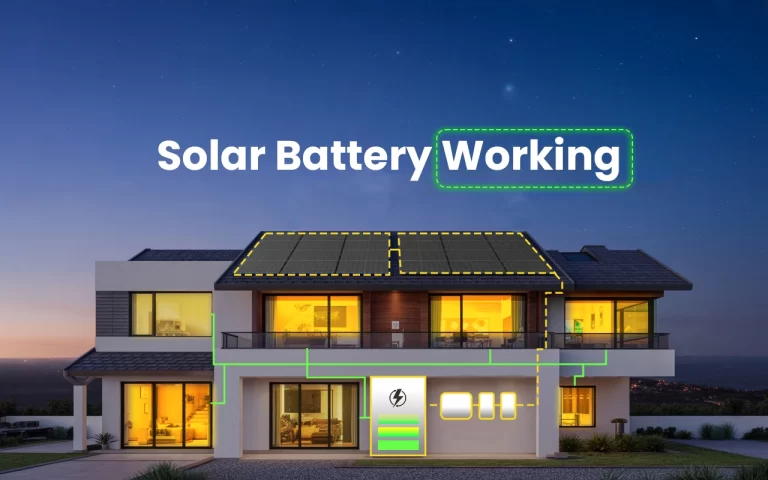
Solar panel installationtakes more time and needs expert help. It involves placing panels on the roof and setting up wiring. Generatorsare simpler to install and usually ready to use after placement and fuel supply connection.
Routine maintenance for solar systems includes cleaning panelsand checking battery health. Generators need oil changes, fuel refills, and filter replacements regularly.
Troubleshooting solar panels often means checking for loose wiresor dirty panels. Generator issues usually come from fuel problemsor spark plug failures. Both need timely fixes to work well.
Credit: solarsme.com
Financial Incentives
Financial incentives can lower the cost of installing solar panels or buying a generator. Tax credits and rebates often make solar more affordable upfront. Generators may have fewer incentives but offer immediate backup power benefits.
Tax Credits For Solar
Solar tax creditscan lower the cost of installing solar panels. These credits reduce the amount of tax you owe. The Federal Investment Tax Credit (ITC)offers a significant discount. Many states also provide additional tax creditsto encourage solar energy use.
Rebates And Grants
Local governments and utility companies often provide rebatesand grantsfor solar panel installation. These incentives can cut your upfront costs. They vary widely by location, so checking with local agencies is smart.
Financing Options
- Solar loanshelp spread out payments over time.
- Leasingsolar panels means lower initial costs but less ownership.
- Power purchase agreements (PPAs)let you pay only for the energy you use.
Choosing Based On Lifestyle
Choosing between solar and a generator depends on your daily needsand living style. Off-grid living suits solar panels well, as they provide clean energyfrom the sun. Solar systems work best with sunlight and need batteriesto store power for night or cloudy days.
Grid-tied homes can use solar to lower bills but rely on the grid for backup. Generators offer power anytime, especially during blackouts. They are great for emergency preparednessbut need fuel and regular maintenance.
| Factor | Solar | Generator |
|---|---|---|
| Noise | Silent operation | Loud during use |
| Space | Requires roof or land space | Compact, easy to store |
| Fuel | No fuel needed | Needs gasoline or propane |
| Maintenance | Low maintenance | Regular oil and part checks |
Making The Final Choice
Choosing between solar panelsand a generatordepends on your needs.
Solar energyis clean and saves money over time. It works best in sunny areas and reduces your electric bill.
Generatorsprovide power during blackouts. They use fuel and can be noisy. They are good for short-term or emergency use.
| Factors | Solar Panels | Generators |
|---|---|---|
| Cost | Higher upfront, low running cost | Lower upfront, fuel cost ongoing |
| Power Source | Sunlight | Gas or diesel |
| Noise | Silent | Noisy |
| Maintenance | Low | Needs regular checks |
- Your daily power useaffects the best choice.
- Think about how oftenyou lose power.
- Spaceand installation costs matter.
Future energy trends favor renewable energy. Solar power is growing fast and becoming cheaper.
Generators may stay useful for emergencies, but solar is the cleaner optionfor long-term use.
Frequently Asked Questions
What Are The Main Benefits Of Installing Solar Panels?
Solar panels provide clean, renewable energy and reduce electricity bills. They increase home value and require low maintenance. Solar systems work silently and reduce carbon footprints, making them eco-friendly. Incentives and tax credits often lower installation costs, enhancing long-term savings.
How Does A Generator Compare To Solar Power?
Generators provide reliable power during outages regardless of weather. They run on fuel and emit noise and pollution. Solar power is quieter, cleaner, and has lower operating costs but depends on sunlight availability. Generators are better for short-term backup; solar suits long-term energy needs.
Is Solar Power Cost-effective Compared To Generators?
Solar power has higher upfront costs but lower long-term expenses. Generators are cheaper initially but incur ongoing fuel and maintenance costs. Over time, solar offers better savings and environmental benefits. Choosing depends on budget, energy needs, and preferred sustainability.
Can I Use Both Solar Panels And A Generator Together?
Yes, combining solar panels with a generator provides backup when solar energy is insufficient. This hybrid approach ensures continuous power during cloudy days or outages. It maximizes energy security and reduces reliance on fuel. Proper system integration is essential for efficiency.
Conclusion
Choosing between solar and a generator depends on your needs. Solar offers clean energy. Ideal for eco-friendly living. Generators provide power during outages. Perfect for emergencies. Solar can save money long-term. Generators might be cheaper upfront. Consider your budget. Evaluate your location.
Sunny areas benefit more from solar. Remote places might need generators. Think about maintenance. Solar panels need little upkeep. Generators require regular checks. Weigh all factors carefully. Decide what fits your lifestyle best. Balance cost, convenience, and sustainability. Make an informed decision for your energy needs.