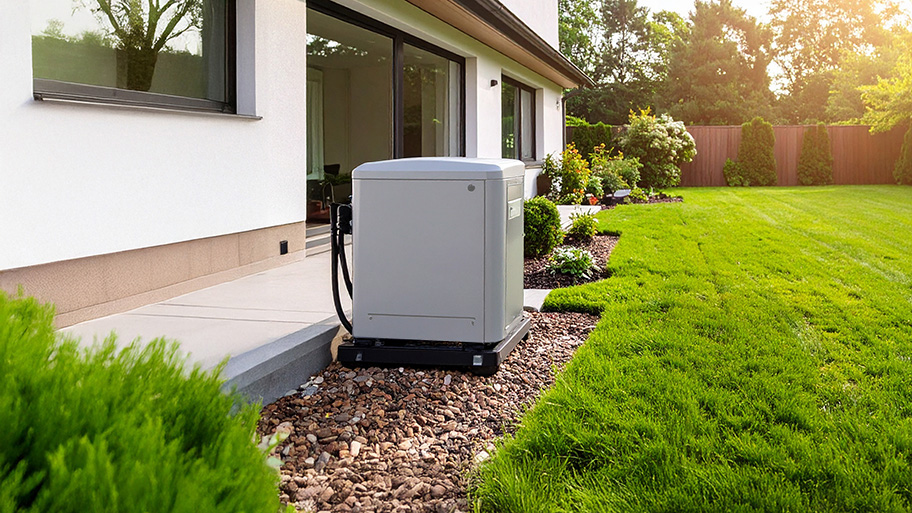
If you’ve ever experienced a power outage, you know how crucial your home standby generator is to your comfort and safety. But lately, you might be wondering, “Should I replace my home standby generator?”
This question might pop up when you hear strange noises, notice it’s not running as efficiently, or simply because it’s been around for a while. You want to ensure your home remains a safe haven, even when the power goes out.
By the end of this article, you’ll have the clarity you need to decide whether it’s time for an upgrade. Let’s explore the signs, benefits, and factors that will guide your decision. Keep reading to ensure you’re making the best choice for your home’s energy security.
Signs To Replace Your Generator
The ageof a standby generator affects its reliability. Older units often lose powerand fail moreduring outages. Performance problems like delays in startingor inconsistent powercan signal replacement time.
Frequent repairs cost time and money. Constant maintenancemeans the generator is wearing out. Parts may become hard to findor expensive. This adds up and suggests buying a new one.
Fuel efficiency drops with age. A generator that uses more fuelthan before raises bills. It also puts more strainon the engine. New models run cleaner and save fuel.
Benefits Of Upgrading Your Generator
Upgrading your home standby generator brings many benefits. Improved reliabilitymeans fewer chances of power loss during outages. Newer models start faster and run smoother.
Enhanced energy efficiencyhelps save fuel and lowers operating costs. Modern generators use less fuel for the same power output. This is good for your wallet and the environment.
Advanced technology featuresinclude better control panels and quieter operation. Some models offer remote monitoring via smartphone apps. This allows easy management and peace of mind.
Cost Factors To Consider
Replacement costscan be high but may offer better reliability. Repairing an old generator might seem cheaper. Yet, frequent repairs add up and cause downtime. New models often come with warranties and improved technology. Consider the age and condition before deciding.
Installation expensesinclude labor, permits, and site preparation. New units may need upgraded wiring or fuel lines. Repair work usually costs less for installation. Check if installation fees vary by location or complexity.
Long-term savingscome from fuel efficiency and fewer repairs. New generators use less fuel and run cleaner. Old models might waste energy and break down more. Investing now could save money over several years.

Credit: www.generac.com
Choosing The Right Replacement Generator
Power capacityshould match your home’s needs. Think about what you want to run during an outage. Small homes need less power than big ones. Check the wattage of important devices like refrigerators and lights.
Fuel type affects how long your generator runs and how much it costs. Common fuels are natural gas, propane, and diesel. Natural gas is often cheaper and cleaner. Propane stores well but may cost more. Diesel is strong but needs more care.
| Brand | Warranty Length | Customer Support | Price Range |
|---|---|---|---|
| Generac | 5 years | Good | Medium |
| Kohler | 5 years | Excellent | High |
| Briggs & Stratton | 3 years | Fair | Low |
Installation And Maintenance Tips
Professional installationis key for a standby generator. It ensures the unit works safely and efficiently. Experts know local codes and rules well. They connect the generator to your home’s power and fuel supply correctly. This reduces risks of damage or injury. Installation by a pro also helps protect your warranty.
- Check oil and fuel levels monthly.
- Test the generator by running it for 20 minutes every month.
- Clean air filters and replace them yearly.
- Inspect battery and connections for corrosion or damage.
- Keep the generator dry and free from debris.
- Schedule annual professional service to check all parts.
- Never run the generator indoors or in closed spaces.
- Keep children and pets away from the unit.
- Store fuel in approved containers and away from flames.
- Use carbon monoxide detectors in your home for safety.
- Turn off the generator before doing any repairs or maintenance.
Credit: www.furnaceprices.ca
Environmental And Regulatory Aspects
Emission standardsset limits on the pollution a generator can produce. Newer models usually meet stricter rules. Older generators might release more harmful gases. Switching to a newer generator can reduce your home’s air pollution.
Noise regulationscontrol how loud your generator can be. Cities and towns have different rules about noise levels. Quieter generators can make your neighborhood more peaceful. Check local laws before buying a new generator.
Incentives and rebatescan lower the cost of a new generator. Some governments offer money back for buying cleaner, quieter models. These offers change by location and time. Always look for current programs that can save you money.
Credit: www.generac.com
Frequently Asked Questions
How Do I Know If My Standby Generator Needs Replacement?
Check for frequent breakdowns, reduced power output, and rising repair costs. If maintenance exceeds 50% of replacement cost, consider a new unit.
What Are Signs My Generator Is Outdated?
Older models may lack modern safety features, fuel efficiency, and emit higher pollution. If your generator is over 10 years old, evaluate replacement options.
Is Replacing A Standby Generator Cost-effective?
Replacing can save money long-term by reducing repairs and improving energy efficiency. Newer models offer better reliability and lower fuel consumption.
How Often Should Home Standby Generators Be Replaced?
Typically, generators last 10-15 years. Regular inspections help determine if performance declines, signaling a replacement need.
Conclusion
Replacing your home standby generator depends on its age and performance. Check if it runs well during power outages. Consider repair costs versus buying a new one. New models may save energy and run quieter. Safety matters—older units might have risks.
Think about your budget and future needs. A reliable generator protects your home and family. Choose wisely to keep power steady when needed. Your decision today can bring peace tomorrow.