
Are you considering whether you should ground your standby generator? This decision isn’t just about following technical manuals—it’s about safeguarding your home, your family, and your peace of mind.
Imagine a stormy night when the power goes out. Your standby generator kicks in, but without proper grounding, there might be hidden risks lurking. Are you willing to leave your safety to chance? You’ll discover why grounding your standby generator is crucial, how it can protect your valuable appliances, and ensure a reliable power supply during those unexpected outages.
Stay with us as we unravel the essential reasons you need to know before making your decision. Your home’s safety could depend on it.
Why Grounding Matters
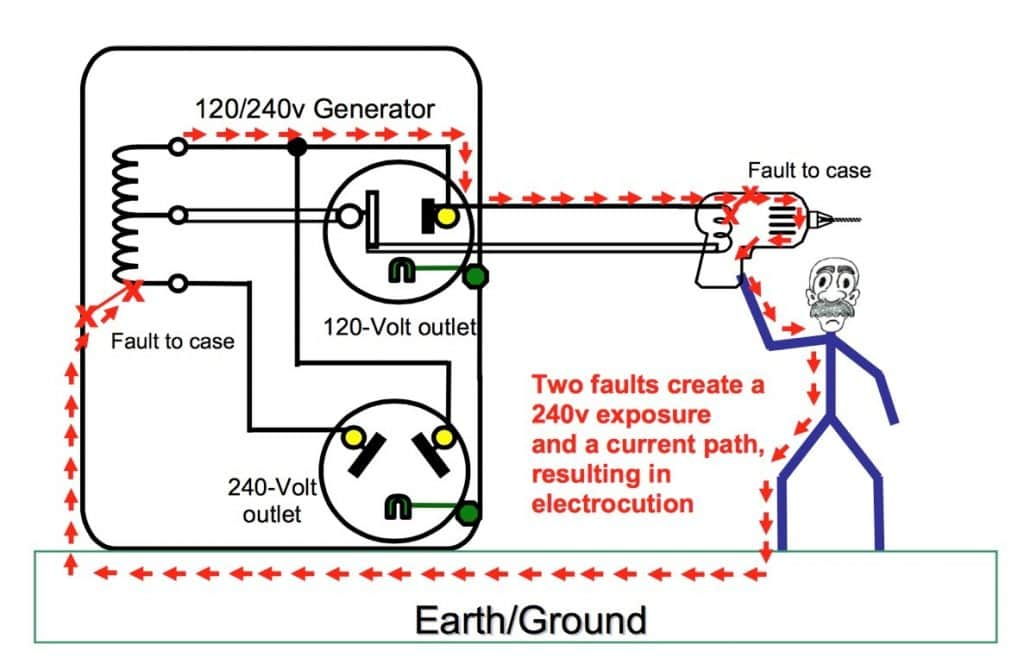
Groundinghelps protect people from electric shock by directing stray electricity safely into the earth. It also stabilizes voltage levels during power surges. Without grounding, electricity can cause serious harm to users and damage devices connected to the generator.
Generators that are not grounded may produce dangerous electrical shocksor fire hazards. Faulty wiring or metal parts can become live with electricity. This risk increases in wet or damp conditions. Grounding creates a safe path for electricity to flow away, reducing these dangers.
- Prevents electric shocks
- Protects appliances from damage
- Reduces risk of fire
- Ensures stable voltage output
Types Of Standby Generators
Portable generatorsare small and easy to move. They work well for short power outages or camping. Usually, they do not need special grounding if used outdoors on dry ground. Standby generatorsare larger and fixed in one place. They start automatically during power loss and provide more power for homes or businesses.
Grounding rulesdiffer for each type. Portable models often use the frame as a ground. Standby models need a grounding rod connected to the generator frame and the home’s grounding system. This setup helps prevent electric shocks and fires.
| Type | Grounding Requirement | Typical Use |
|---|---|---|
| Portable Generator | Frame grounding, no rod needed outdoors | Camping, short outages |
| Standby Generator | Ground rod plus home grounding system | Home or business backup power |
Grounding Techniques
Ground rodsare metal rods driven deep into the earth. They provide a safe path for electrical faults. The rod must be placed near the generator for best results. Proper depthis important to reach moist soil, which helps conductivity.
Connecting the generator to the building ground is key for safety. This link helps keep the whole system at the same electrical level. It reduces the chance of shocks or fires by directing stray electricity safely away.
Bonding the generator frame means connecting its metal parts together. This prevents dangerous voltage from building up on the frame. It ensures the frame stays safe to touch and works well with the grounding system.
Local Codes And Standards
NEC Guidelinesset clear rules for grounding standby generators. These rules help keep electrical systems safe and working well. The National Electrical Code requires a proper grounding system to prevent shocks and fires. Grounding connects the generator’s metal parts to the earth, which stops electric faults from causing harm. It is important to follow these rules exactly to meet local safety standards.
Manufacturer Recommendationsoften add extra safety tips. They tell how to ground the generator best for their specific model. Following these instructions keeps the warranty valid and avoids damage. Each generator brand might have different grounding needs, so reading the manual carefully is smart. Combining NEC rules with manufacturer advice ensures the safest setup.
Common Grounding Mistakes
Grounding a standby generator incorrectly can cause safety hazards and equipment damage. Many forget to check local codes or use proper grounding rods. Ensuring correct grounding helps protect your home and generator from electrical faults.
Improper Rod Installation
Ground rodsmust be driven deep into the soil. Shallow rods do not protect the generator well. The rod should be placed in moist soil for better conductivity. Avoid rocky or sandy areas. Connecting the rod with proper clamps is essential. Loose clamps cause poor grounding and can be dangerous.
Ignoring Grounding Connections
Every standby generator needs a clear grounding connection. Skipping this step risks electric shocks and damage to devices. The generator frame and the rod must be connected firmly. Check all connections regularly to keep them tight. Missing or loose wires can cause failure during a power outage.

Credit: www.angi.com
Testing Your Ground Connection
Testing the ground connectionensures safety and proper function of your standby generator. Use a multimeteror a ground resistance testerfor accurate results.
A multimeter helps check voltage differences between ground and neutral. A ground resistance tester measures the resistance of the grounding system. Low resistance means a good ground.
| Tool | Purpose | Why It Matters |
|---|---|---|
| Multimeter | Measures voltage and continuity | Detects breaks or faults in grounding |
| Ground Resistance Tester | Checks resistance of ground system | Ensures low resistance for safety |
Signs of poor groundinginclude:
- Frequent circuit breaker trips
- Unusual shocks when touching metal parts
- Flickering lights during generator use
- Burning smell near generator or outlets
Safety Tips For Operation
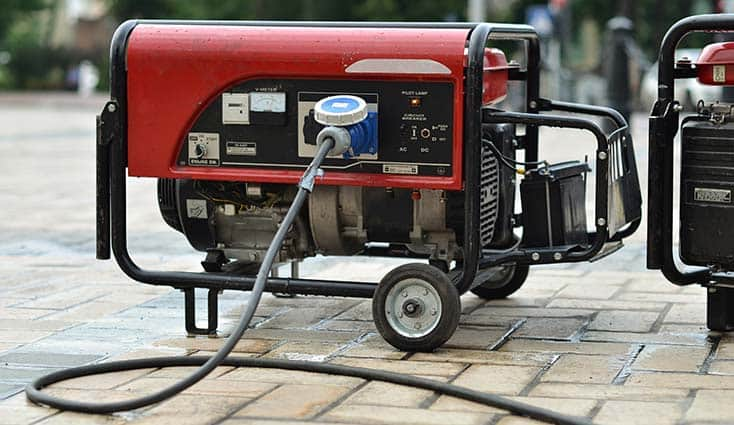
Place the generator on a flat, dry surface away from windows and doors. Keep it at least 5 feet from your home to avoid carbon monoxide buildup. Avoid placing it near flammable materials or under low-hanging branches. Proper placement ensures safe and efficient operation.
Check the generator oil, air filter, and fuel levels regularly. Replace worn parts promptly to avoid breakdowns. Test the generator under load every few months to ensure it works well. Keep the generator clean and dry to extend its life.
Credit: www.jadelearning.com
Credit: www.jadelearning.com
Frequently Asked Questions
Why Is Grounding A Standby Generator Important?
Grounding a standby generator prevents electrical shock and equipment damage. It ensures safety by directing fault currents safely into the earth, reducing fire risks and electrical hazards during operation.
How Do You Ground A Standby Generator Properly?
To ground a standby generator, connect a grounding wire from the generator’s frame to a grounding rod driven into the earth. Follow local electrical codes and manufacturer instructions for correct grounding methods.
Can A Generator Work Without Proper Grounding?
A generator can run without grounding, but it’s unsafe. Lack of grounding increases the risk of electrical shock and equipment damage, compromising safety and violating electrical codes.
What Are The Risks Of Not Grounding A Standby Generator?
Not grounding a generator can cause electrical shocks, fires, and damage to appliances. It also poses a serious hazard to users and may void warranties or insurance claims.
Conclusion
Grounding a standby generator adds safety and protects your home. It helps prevent electric shocks and damage from power surges. Always follow local codes and manufacturer instructions for grounding. A properly grounded generator works better and lasts longer. Safety should always be your top priority.
Take time to check your setup or ask an expert. This small step can save you from big problems later. Keep your generator safe and reliable for peace of mind.