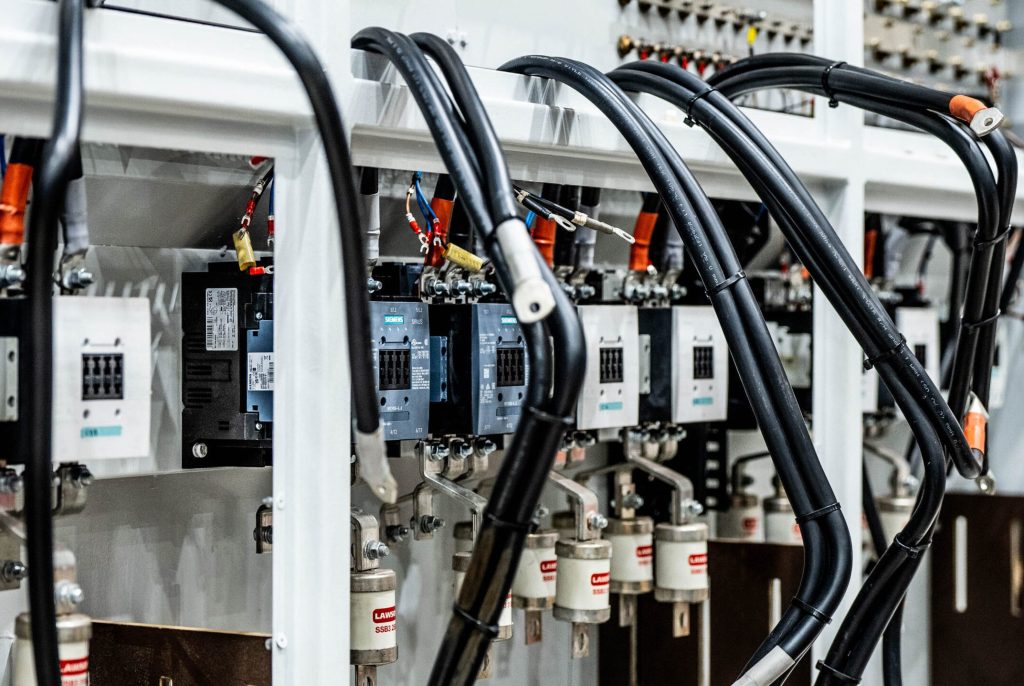
Imagine a stormy night with howling winds, and suddenly, the power goes out. Your trusty standby generator kicks in, ensuring your home remains a sanctuary of light and warmth.
But have you ever paused to think about the oil that keeps your generator running smoothly? Choosing the right oil is crucial, and synthetic oil often stands out as a top contender. But is it the right choice for your generator?
This question is more than just technical jargon—it’s about ensuring peace of mind during those unexpected power outages. We’ll unravel the mystery behind synthetic oil, helping you make an informed decision. Keep reading to discover if synthetic oil is the game-changer your standby generator needs.
Benefits Of Synthetic Oil
Synthetic oiloffers better engine protectionby reducing wear and tear. It keeps the engine parts cleaner and helps stop rust and corrosion.
It performs well in extreme temperatures. Synthetic oil stays thin in cold weather, making it easy for the engine to start. It also resists breaking down in high heat, protecting the engine better.
With synthetic oil, oil change intervalsare longer. This means less frequent oil changes, saving time and money. It keeps the engine running smoothly for a longer period.
Drawbacks Of Synthetic Oil
Synthetic oilusually costs more than regular oil. This higher initial costcan be a concern for some owners.
Not all standby generators work well with synthetic oil. There are compatibility concernsthat might cause problems.
Some synthetic oils can cause seal issues. This might lead to leaks or damage in the engine parts.
Comparing Synthetic And Conventional Oils
Synthetic oilflows better at low temperatures and protects engines well. It lasts longer than conventional oil and handles heat better. Conventional oil is thicker and may not perform well in cold weather. Synthetic oil helps the engine start easier during cold starts.
Cost wise, synthetic oil is more expensive upfront. But it needs to be changed less often, which can save money over time. Conventional oil costs less but requires more frequent changes.
| Factor | Synthetic Oil | Conventional Oil |
|---|---|---|
| Performance | Better flow, protects engine, lasts longer | Thicker, less effective in cold, wears faster |
| Cost | Higher price, fewer changes needed | Lower price, more frequent changes |
| Suitability for Standby Generators | Good for cold climates and long standby | Works well in mild climates, short standby |
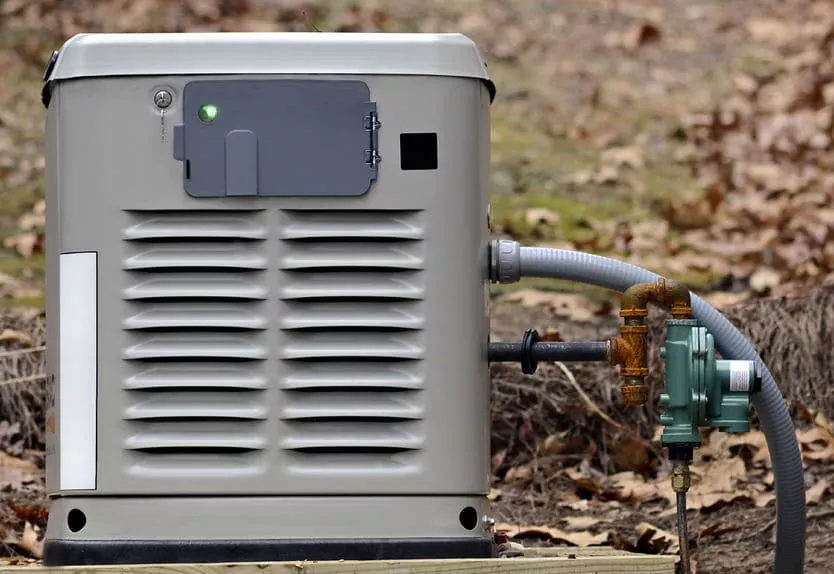
Credit: www.premium-electric.ca
Factors Influencing Oil Choice
Generator usage frequencyaffects oil choice significantly. Frequent use means oil breaks down faster. Synthetic oil lasts longer under heavy use. For rare use, conventional oil might be enough. But synthetic oil offers better protection during start-ups.
The operating environmentalso matters. Hot or cold climates need different oils. Synthetic oil performs better in extreme temperatures. It flows well in cold weather and resists heat in hot weather. This helps the generator work smoothly.
Manufacturer recommendationsguide oil selection. Always check the generator’s manual. Some brands require synthetic oil for warranty. Others allow both types. Following instructions keeps the generator safe and efficient.
Maintenance Tips For Standby Generators
Regular oil checkshelp keep your generator running smoothly. Check the oil level often. Low oil can harm the engine. Use a clean dipstick to check the oil. Look for dark or dirty oil that needs changing. Keep the oil clean to avoid engine wear.
Proper oil change intervalsare key. Change the oil after the number of hours the manual says. Old oil loses its power to protect the engine. Using synthetic oil can last longer but still follow the schedule. Fresh oil keeps the engine parts moving well.
Monitoring engine healthmeans watching for strange sounds or smoke. Check for leaks or cracks in parts. Keep the generator in a clean, dry place. Run the generator regularly to keep parts lubricated. Early checks stop big problems later.

Credit: www.premium-electric.ca
Expert Opinions On Synthetic Oil Use
Industry professionalsmostly favor synthetic oil for standby generators. It offers better protectionagainst engine wear during long idle times. Synthetic oil stays stable in extreme temperatures, which is important for standby use. Experts say it helps engines run cleaner and smoother, reducing maintenance needs.
Real users share mixed experiences. Many notice their generators start easier and run quieter with synthetic oil. Some report longer oil change intervals and less sludge buildup. Others find no big difference compared to conventional oil but appreciate the peace of mindusing synthetic brings.
| Aspect | Industry Professionals | Real-World Users |
|---|---|---|
| Engine Protection | Highly recommended for long idle and wear | Notice better start and less wear |
| Oil Stability | Remains stable in hot and cold | Less sludge, longer oil life |
| Performance | Cleaner, smoother engine operation | Quieter runs, no major cons reported |

Credit: www.bisonindustry.com
Frequently Asked Questions
Is Synthetic Oil Better For Standby Generators?
Yes, synthetic oil offers better protection and performance in standby generators. It resists breakdown, reduces engine wear, and works well in extreme temperatures, enhancing generator lifespan and reliability.
How Often Should I Change Synthetic Oil In Generators?
Change synthetic oil every 100 to 200 hours of operation or at least once a year. This ensures optimal engine performance and prevents oil degradation in standby generators.
Can Synthetic Oil Improve Generator Efficiency?
Synthetic oil reduces engine friction and wear, which can improve generator efficiency. It also maintains stable viscosity, ensuring smooth operation and better fuel economy during power outages.
Is Synthetic Oil Compatible With All Generator Types?
Most modern standby generators are compatible with synthetic oil. However, always check the manufacturer’s guidelines to confirm compatibility and maintain warranty coverage.
Conclusion
Choosing synthetic oil for your standby generator can help it run smoothly. It lasts longer and protects the engine better than regular oil. This means fewer oil changes and less wear on parts. Synthetic oil works well in different temperatures, keeping your generator ready.
Think about your budget and how often you use the generator. Good maintenance always matters. Using the right oil helps your generator stay reliable when you need it most. Simple steps like this keep your backup power strong and ready.