Have you ever wondered why solar panels don’t always power your home as much as you expect? You might think solar energy is a perfect, endless source, but there’s a key limitation that could affect your electricity supply.
Understanding this limitation can help you make smarter choices for your energy needs and save you money in the long run. Keep reading to discover what holds solar-PV-generated electricity back and how it impacts you directly.

Credit: efinancialmodels.medium.com
Intermittent Power Supply
Solar PV systemsrely heavily on sunlight, making their power supply intermittent. Clouds, rain, or fog can reduce electricityoutput significantly. This is because solar panels need direct sunlight to work well.
At night, solar panels produce no electricity. This creates a gapin power supply that must be filled by other sources or batteries. Without storage, homes and businesses cannot rely solely on solar power 24/7.
| Season | Solar Power Output | Reason |
|---|---|---|
| Summer | High | Longer daylight and stronger sun |
| Winter | Low | Shorter days and weaker sunlight |
| Spring/Autumn | Medium | Moderate daylight and sun strength |
Energy Storage Issues
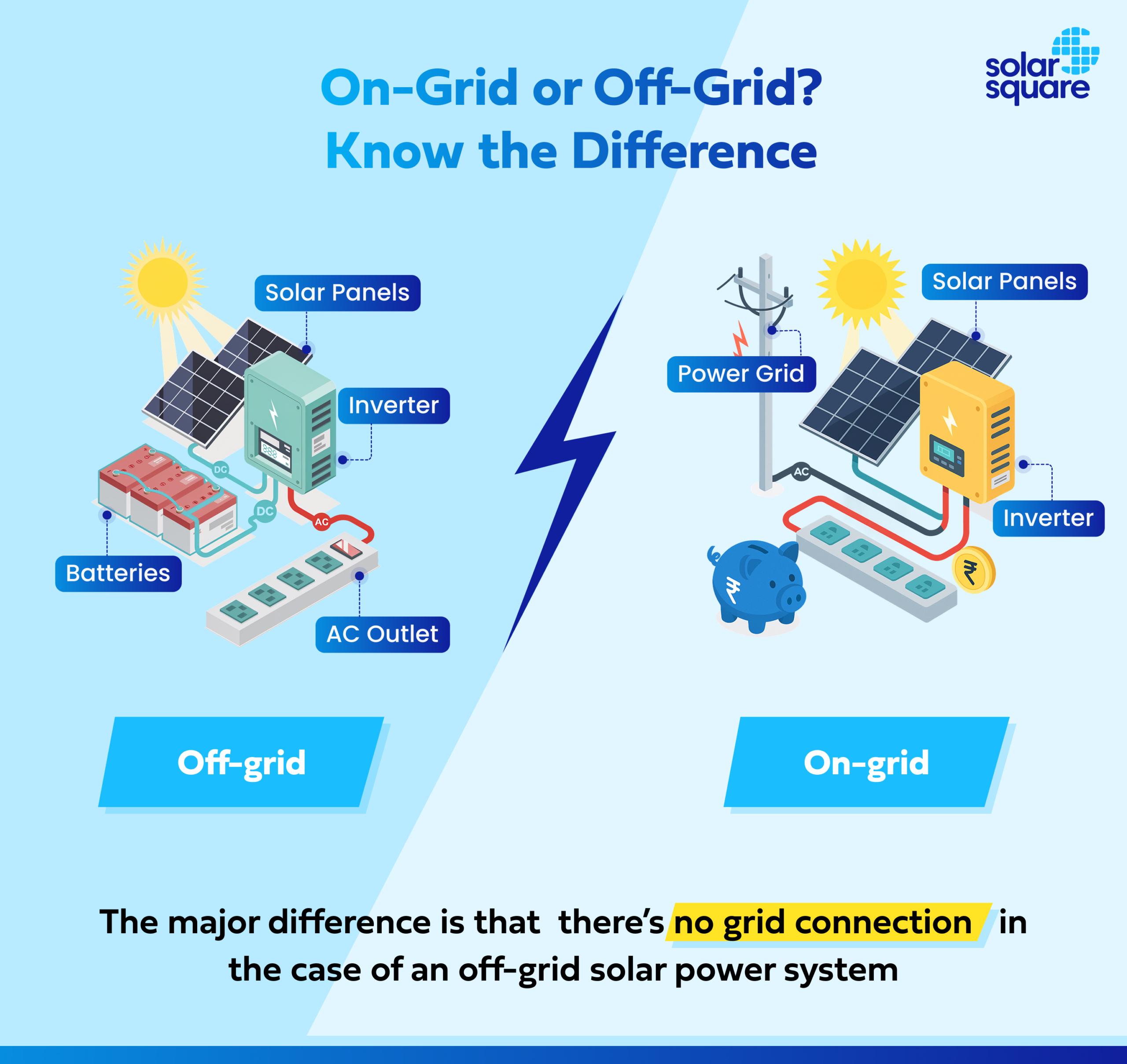
Battery storageis a big challenge for solar power. Batteries cost a lot and need replacement after some years. This makes solar energy less affordable for many people.
Over time, batteries lose their abilityto hold charge. This means less energy is stored for use when the sun isn’t shining.
| Battery Limitations | Description |
|---|---|
| High Storage Costs | Batteries are expensive to buy and replace over time. |
| Degradation Over Time | Batteries lose capacity after many charging cycles. |
Grid Integration Challenges
Voltage fluctuationsoccur because solar power depends on sunlight. Clouds or shadows can change the power output quickly. This makes the voltage on the grid go up and down. Such changes can harm appliances and reduce power quality.
Infrastructure upgradesare needed to handle more solar energy. Old grids were built for steady power from big plants. Now, grids must adapt to many small solar sources. This can mean new wires, transformers, and control systems.
Grid stability concernsarise when too much solar power is added. Solar power stops at night, so other power sources must fill the gap. Managing this balance is hard and may cause blackouts if not done well.
Environmental Impact
Solar PV systemsneed large areas of land for installation. This can disturb local plants and animals. Some habitats may be lost or changed. Careful site choice helps reduce these effects.
Making solar panels requires mining raw materials like silicon, silver, and rare earth metals. Mining can harm the environment and use a lot of energy. Recycling materials can lower this impact.
Old solar panels must be disposed of safely. They contain hazardous substanceslike lead and cadmium. Proper recycling is needed to avoid pollution and save valuable materials.
Economic And Policy Barriers
High costs and complex regulations often slow down solar PV electricity adoption. Limited government support and tariff issues also create hurdles for wider use.
High Initial Investment
Solar PV systems need a large amount of money at the start. This cost stops many families and small businesses from buying solar panels. The price includes buying panels, batteries, and installation. It can be hard to get loans or support for this high cost.
Inconsistent Subsidies
Government help for solar power changes often. Some years have good support, while others have little or none. This makes planning and investing in solar risky and confusing. People want stable support before spending a lot.
Regulatory Hurdles
Rules for solar power can be strict and slow. Getting permits and approvals takes time and effort. Many rules differ by place, adding confusion. This slows down solar projects and raises costs.

Credit: efinancialmodels.medium.com
Technological Constraints
Efficiency limitsof solar panels mean they can only convert a part of sunlight into electricity. Most panels work between 15% and 22% efficiency. This means much sunlight is lost and not used.
Material scarcityaffects production. Key materials like silicon and rare metals are limited. This can slow down making new solar panels and raise costs.
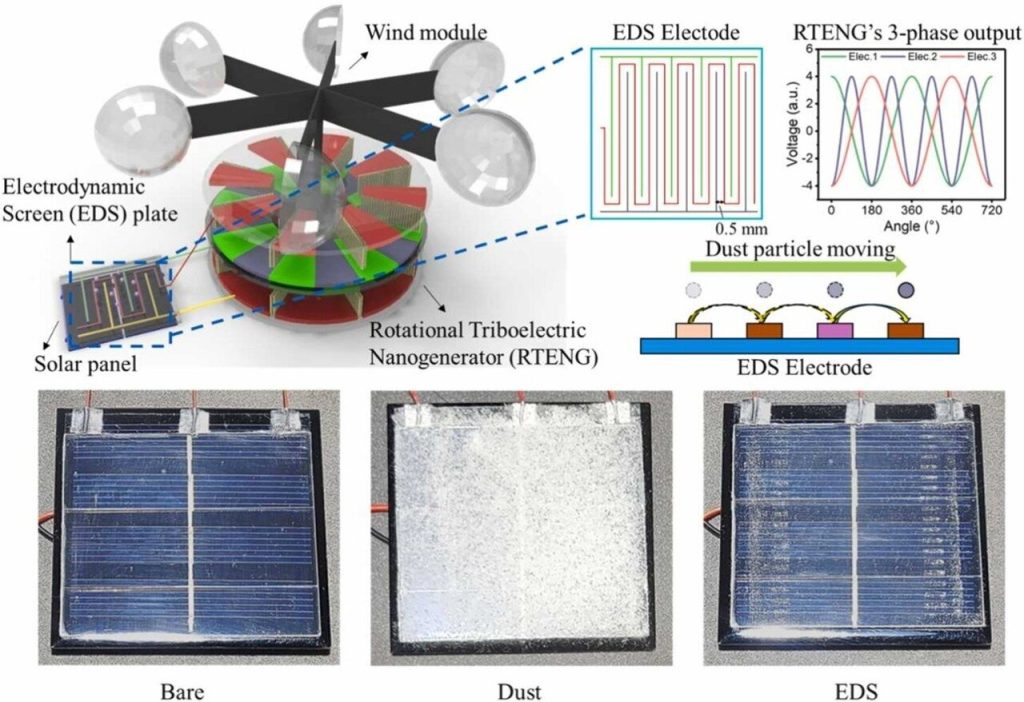
Maintenance requirementsare important for solar systems. Dirt, dust, and weather can reduce panel performance. Regular cleaning and checks help keep panels working well but add to the cost and effort.
Credit: www.solarsquare.in
Frequently Asked Questions
What Are The Main Limitations Of Solar Pv Electricity?
Solar PV electricity depends on sunlight availability, which varies by time and weather. It also requires significant space and energy storage for night use. Efficiency can be lower compared to other energy sources, limiting consistent power supply.
How Does Weather Affect Solar Pv Electricity Generation?
Cloudy, rainy, or snowy weather reduces solar panel efficiency by blocking sunlight. This causes inconsistent power output. Solar PV systems perform best in sunny conditions, making weather variability a key limitation for reliable electricity generation.
Can Solar Pv Electricity Work At Night?
No, solar PV panels cannot generate electricity at night because they need sunlight. To provide power during dark hours, energy storage systems like batteries are necessary, increasing overall system cost and complexity.
Why Is Energy Storage Important For Solar Pv Systems?
Energy storage stores excess electricity generated during sunny periods for use when sunlight is unavailable. Without storage, solar PV electricity cannot meet demand consistently, limiting its reliability and effectiveness as a primary energy source.
Conclusion
Solar-PV electricity has clear benefits, but also faces challenges. Weather dependency limits its reliability. Solar panels need sunlight to produce power. Nighttime and cloudy days reduce efficiency. Energy storage systems can help, but they’re costly. Space requirements can be significant too.
Urban areas may struggle with installation. Despite these limitations, solar-PV remains a valuable energy source. It offers clean, renewable power. Understanding its limitations helps in planning better solutions. More research and innovation can address these issues. Solar energy has potential, but needs strategic use.
Proper planning ensures it supports a sustainable future.