Have you ever stopped to think about where all the trash around you comes from? Understanding which activity creates the largest amount of solid waste can change how you see your daily habits and the world’s impact on the environment.
This knowledge isn’t just interesting—it’s powerful. By discovering the biggest source of waste, you can take smarter steps to reduce your footprint. Keep reading, and you’ll uncover surprising facts that might just inspire you to make a real difference.
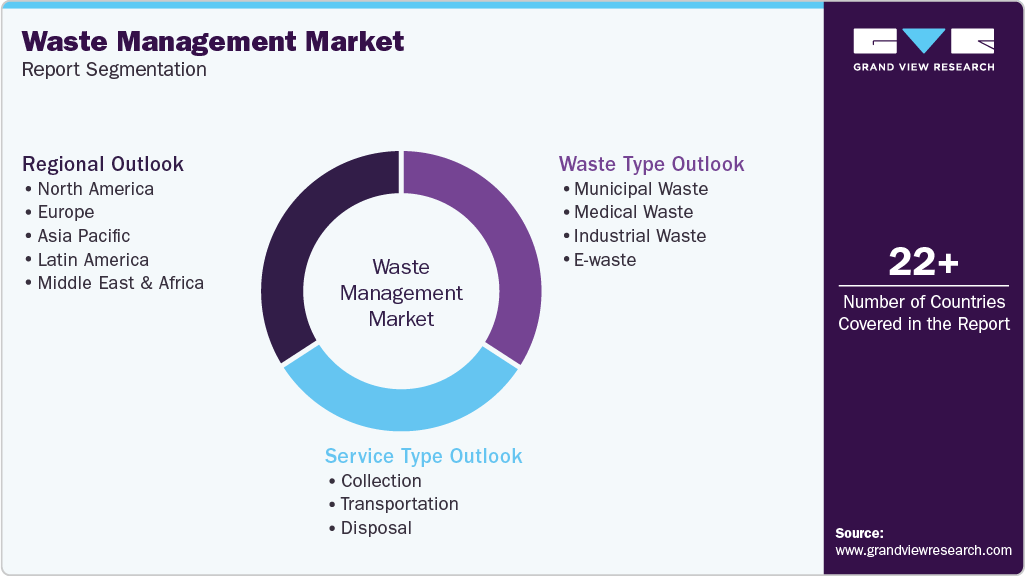
Credit: www.grandviewresearch.com
Major Sources Of Solid Waste
Household activities produce the largest amount of solid waste daily. Food scraps, packaging, and old items make up most of this waste. Urban areas generate more waste due to higher population and consumption.
Residential Waste Contributions
Homes produce large amounts of waste. This includes food scraps, paper, plastics, and packaging materials. Most of this waste is thrown away daily. People often discard old clothes, broken items, and yard waste. Recycling can reduce some waste, but much still ends up in landfills.
Industrial Waste Impact
Factories and plants create waste from making goods. This includes metals, chemicals, and packaging. Some waste is hazardous and needs special handling. Industrial waste is often heavier and bulkier than other types. Proper disposal is key to avoid pollution.
Agricultural Waste Generation
Farms produce waste like crop leftovers, manure, and pesticides. This waste can be organic and sometimes used as fertilizer. Large farms create more waste than small ones. Managing agricultural waste helps keep soil and water clean.
Commercial Waste Output
Businesses like stores and offices make waste daily. This includes paper, cardboard, food waste, and packaging. Waste from shops is often mixed and needs sorting. Recycling and reducing waste can save money and space.
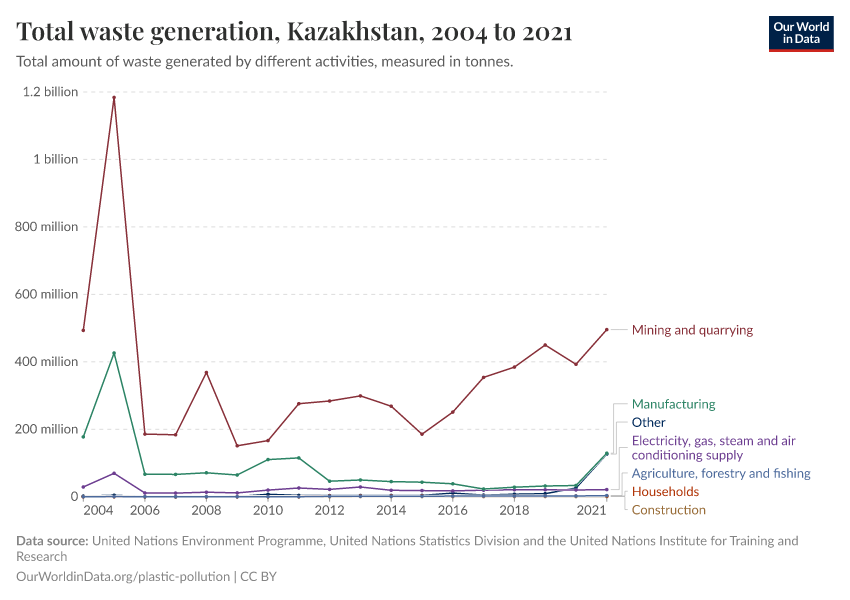
Credit: ourworldindata.org
Top Activity Producing The Most Waste
Construction and demolition debrisproduces the largest amount of solid waste worldwide. This waste includes bricks, wood, concrete, and metals from building sites. It often ends up in landfills.
Food production and processinggenerate waste like spoiled crops, peels, and leftover food. This waste is organic and can sometimes be composted.
Packaging waste from retailis another big source. Items such as plastic wrappers, cardboard boxes, and foam containers add to this waste. Many of these materials are single-use.
Electronic waste surgecomes from old or broken devices like phones, computers, and TVs. These contain harmful materials that need special handling.
Environmental Impact Of Excessive Waste
Excessive waste creates many environmental problems. Landfills often become too full. This causes waste to spill out and pollute nearby areas. Overflowing landfills release harmful chemicals into the air and soil.
Greenhouse gases, such as methane, come from waste in landfills. These gases trap heat in the atmosphere and add to global warming. Reducing waste helps lower these emissions.
Soil and water near landfills can become contaminated. Toxic substances leak out and harm plants, animals, and even people. Clean water sources may get polluted, making it unsafe to drink or use.
- Landfill overflow:Causes pollution and spreads harmful waste.
- Greenhouse gases:Waste produces methane, worsening climate change.
- Soil & water contamination:Toxic leaks harm ecosystems and health.
Waste Management Challenges
Recycling faces many limitations. Not all materials can be recycled. Contamination reduces the quality of recycled goods. Some items require special processing that is costly or unavailable.
Waste collection often suffers from inefficiencies. Irregular pickups cause overflow and litter. Many areas lack enough bins or trucks. This leads to waste piling up and harming the environment.
Gaps in policy and regulationmake waste management harder. Some laws are weak or not enforced. Clear guidelines are missing for managing new waste types. This slows down progress and increases pollution.
Innovative Solutions To Reduce Waste
Circular economy practiceshelp reduce waste by reusing and recycling materials. Products get designed to last longer and be easy to fix. This lowers the need for new resources and cuts down trash. Businesses share materials and find new uses for old products. It saves money and the environment at the same time.
Advanced recycling technologiesturn waste into valuable resources. Machines sort and clean materials faster and better. Some processes can recycle plastics that were hard to reuse before. These technologies reduce landfill waste and pollution. They make recycling easier and more efficient for everyone.
Community engagement and educationraise awareness about waste problems. People learn simple ways to reduce, reuse, and recycle every day. Schools, groups, and local leaders join efforts to keep neighborhoods clean. Everyone plays a part in building a healthier planet.

Credit: www.grandviewresearch.com
Frequently Asked Questions
What Activity Produces The Most Solid Waste Globally?
Industrial manufacturing generates the largest amount of solid waste worldwide. It includes construction debris, packaging, and chemical byproducts, contributing heavily to waste volumes.
How Does Construction Contribute To Solid Waste Generation?
Construction activities create massive solid waste from materials like concrete, wood, and metals. This sector significantly impacts landfill volumes and requires efficient waste management.
Which Household Activity Leads To The Highest Solid Waste?
Food consumption and packaging disposal produce the most household solid waste. Improper disposal increases landfill burden and environmental pollution, emphasizing recycling importance.
Why Is Industrial Waste The Largest Solid Waste Source?
Industries produce diverse waste types in large volumes daily. Their scale and continuous operation make industrial waste the top solid waste generator globally.
Conclusion
Solid waste generation impacts our environment significantly. Construction activities top the list. They produce vast amounts of waste daily. Managing this waste is crucial for sustainability. Recycling and reusing materials can help reduce landfill waste. Individual actions matter too. Small efforts from everyone can lead to big changes.
Awareness and education are key. Understanding waste sources helps in making informed choices. Our choices today shape tomorrow’s environment. Let’s act responsibly for a cleaner future. Your efforts can make a difference. Every little bit counts. Reduce, reuse, and recycle.
Together, we can create a healthier planet.