Imagine the power suddenly goes out. It’s pitch black, and you’re left scrambling to find a flashlight.
In moments like these, a home backup system becomes your best friend. But with limited power, which appliances should you prioritize? This decision can feel overwhelming, especially when you want to ensure your home’s essential functions are maintained. We’re going to guide you through which appliances truly matter during a power outage.
By the end, you’ll not only feel more prepared, but you’ll also have peace of mind knowing your home is ready for any unexpected blackout. Keep reading to uncover the secrets to an efficient backup plan that keeps your household running smoothly, no matter what.
Critical Appliances
Critical appliances like refrigerators, medical equipment, and heating systems should be prioritized during a home backup. These essentials ensure safety, food preservation, and comfort during power outages. Make sure to include them in your backup plan for uninterrupted functionality.
Refrigeration Units
Refrigerators keep food fresh and safe. They need power during outages. Without power, food can spoil quickly. Backup power helps avoid waste and keeps food safe.
Cooking Equipment
Cooking devices like ovens and stoves are important. They allow meals to be prepared even without regular electricity. Powering them during outages ensures warm meals and sustenance.
Heating Systems
Heating systems keep homes warm in cold weather. Without them, homes can become uncomfortable and chilly. Backup power ensures warmth and comfort during outages.
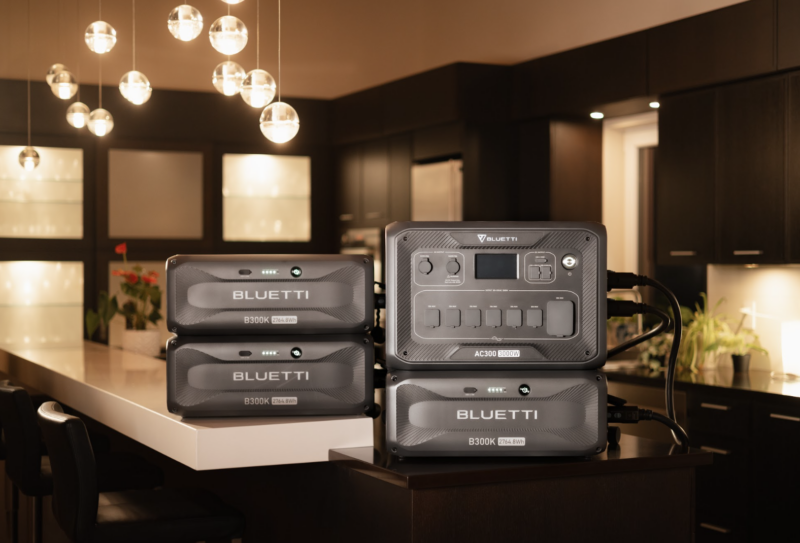
Credit: cleantechnica.com
Safety Devices
Essential appliances like refrigerators, lights, and communication devices should be prioritized during a home backup. Ensuring power for medical equipment and security systems is crucial for safety. Keeping these devices running maintains comfort and security in emergencies.
Smoke And Carbon Monoxide Detectors
Smoke detectors alert us to fire danger. They save lives. Keep them powered during a backup. Carbon monoxide detectors warn us of gas leaks. These gases are invisible and dangerous. Always ensure they work. Their alarms can protect your family. Backup power keeps them active.
Security Systems
Security systems keep homes safe. They prevent robberies and other dangers. Cameras record events outside and inside. Alarms alert us to intruders. Backup power is crucial for these systems. It helps them work during outages. Protect your home by keeping them powered.
Communication Tools
During a home backup, power essential appliances like refrigerators, heating systems, and communication tools. These ensure food preservation, warmth, and connectivity. Prioritize devices that maintain safety and comfort in emergencies.
Internet Routers
Internet routers are important during a power outage. They help keep the internet connectionactive. This way, you can stay connected online. It’s vital for work or school from home. Keeping your router powered ensures communication doesn’t stop. You can check emails or browse important news. A backup power source is helpful for routers. This ensures smooth internet accessall the time.
Mobile Device Chargers
Mobile phones are crucial for communication. They help in emergencies too. Keeping them charged is essential. A charged phone means you can make calls anytime. You can send messages or use apps. A power bank can help charge phones. It’s a portable charging solution. Make sure it’s fully charged before an outage. This keeps your devices ready and powered up.
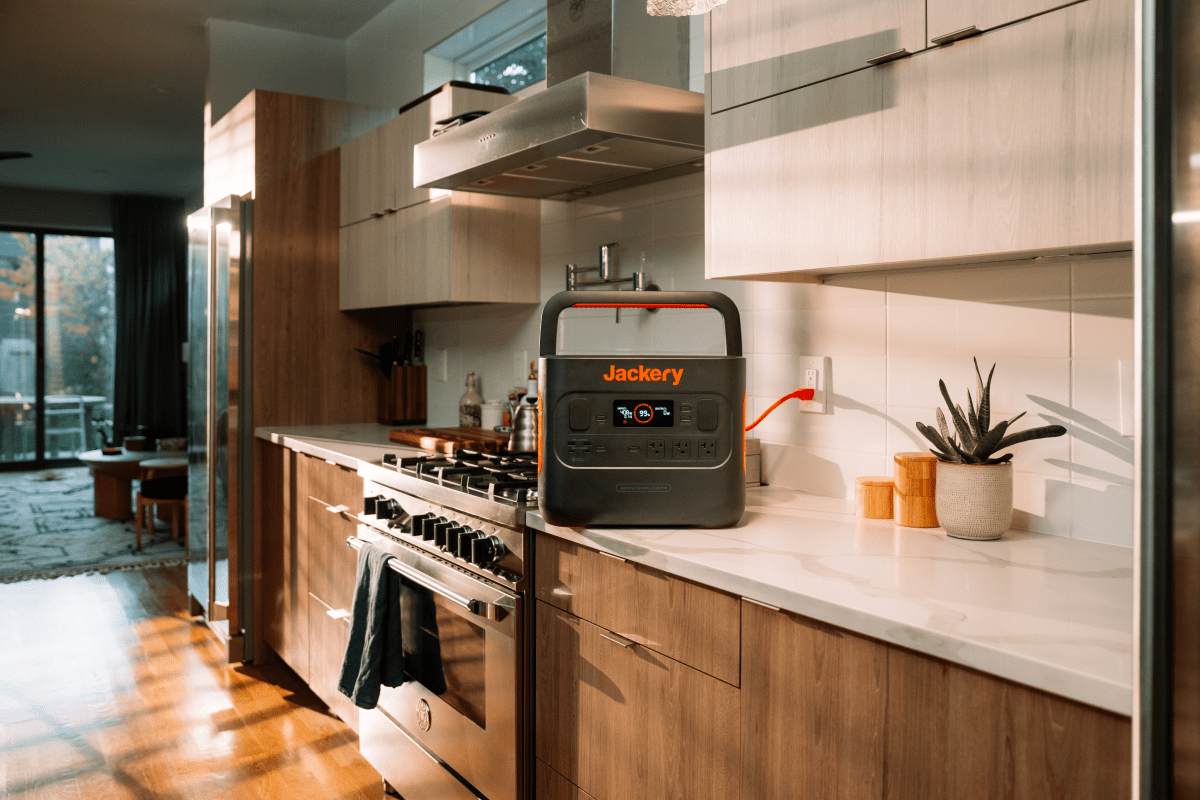
Credit: www.jackery.com
Medical Equipment
Home health devices are essential during power outages. Devices like blood pressure monitors and thermometers help track health. Glucometers check sugar levels for people with diabetes. These devices keep your health in check.
Nebulizers help people with asthma breathe easier. They turn liquid medicine into mist. It’s crucial to have them powered during outages. Ensure they are charged or have a backup power source.
Life-support systems are vital for some people. Ventilators help people breathe. They are critical for those with severe breathing issues. These systems must stay powered at all times.
Oxygen concentrators provide oxygen for those who need it. They extract oxygen from the air and deliver it to the user. Keeping them powered ensures uninterrupted oxygen supply. Dialysis machines are crucial for kidney patients. They clean the blood and remove waste. Always ensure backup power for these life-saving devices.
Lighting Solutions
Power essential appliances like refrigerators, lights, and internet routers during a home backup. These ensure food preservation, visibility, and connectivity. Prioritize devices that support daily living and communication.
Led Bulbs
LED bulbsuse less energy and last longer. They are bright and safe. Choose LED bulbs to save power during a backup. They provide strong light while using less electricity. LED bulbs can light up your home without using much energy.
Emergency Lights
Emergency lightsare important during power outages. They turn on when the power goes off. Keep them ready to use for safety. Emergency lights are handy and easy to move. They help you see clearly when it’s dark. Choose battery-powered lights for easy use.
Water Supply Systems
During a power outage, prioritize powering essential appliances. Water pumps, refrigerators, and lights should be first. Keeping these devices running ensures water access, food safety, and basic lighting.
Water Pumps
Water pumps help move water from one place to another. They are vital during power outages. Electric pumps rely on a backup power source. Ensure your backup system can support them. Manual pumps are useful too. They don’t need electricity to work. Consider having both types available.
Filtration Units
Filtration units clean water, making it safe to drink. This is essential during emergencies. Electric filtration systems need power. Check if your backup can support them. Gravity-fed filters don’t need electricity. They use gravity to filter water. Keep these handy for emergencies.
Entertainment Options
Television is a source of fun for everyone. It offers shows and movies. People feel relaxed watching their favorite programs. It keeps kids and adults entertained during a power outage. A backup power source ensures the TV stays on.
Audio systems play music and news during power cuts. Music helps people feel calm and happy. News keeps everyone informed about what’s happening. A powered audio system brings joy and comfort to the home. It is a great choice for entertainment.
Energy Management
Smart meters help track energy use. They show which appliances use more power. Electric ovens, air conditioners, and heaters use the most energy. Smart meters give real-time data. They help manage energy during power outages. This means you can decide which appliances to power. Smart meters reduce waste. They save money on energy bills. They are easy to use. Kids can understand how they work.
Battery storage systems keep energy for later use. They store power from solar panels. Batteries can power essential appliances. Refrigerators, lights, and phones need backup power. Batteries help during blackouts. They provide quick energy. They are safe and reliable. They help save energy for emergencies. Kids can see how batteries store energy. Batteries are important for energy management.
Powering Essentials Efficiently
During a power outage, focus on powering essential appliances first. Refrigerators and freezers should be prioritized to keep food fresh. Lights in key areas like the kitchen and bathroom are important. Use LED bulbs to save energy. Heating or cooling systems should be used sparingly. Prioritize safety and comfort for your family. Medical equipment like oxygen machines must stay powered.
To balance your energy load, start with small appliances. Turn off non-essential devices. Avoid using all major appliances at once. Create a schedule for using energy-heavy devices. Stagger usage times for the washer, dryer, and dishwasher. Use a power strip to manage multiple devices. Unplug devices when not in use. This helps save energy.
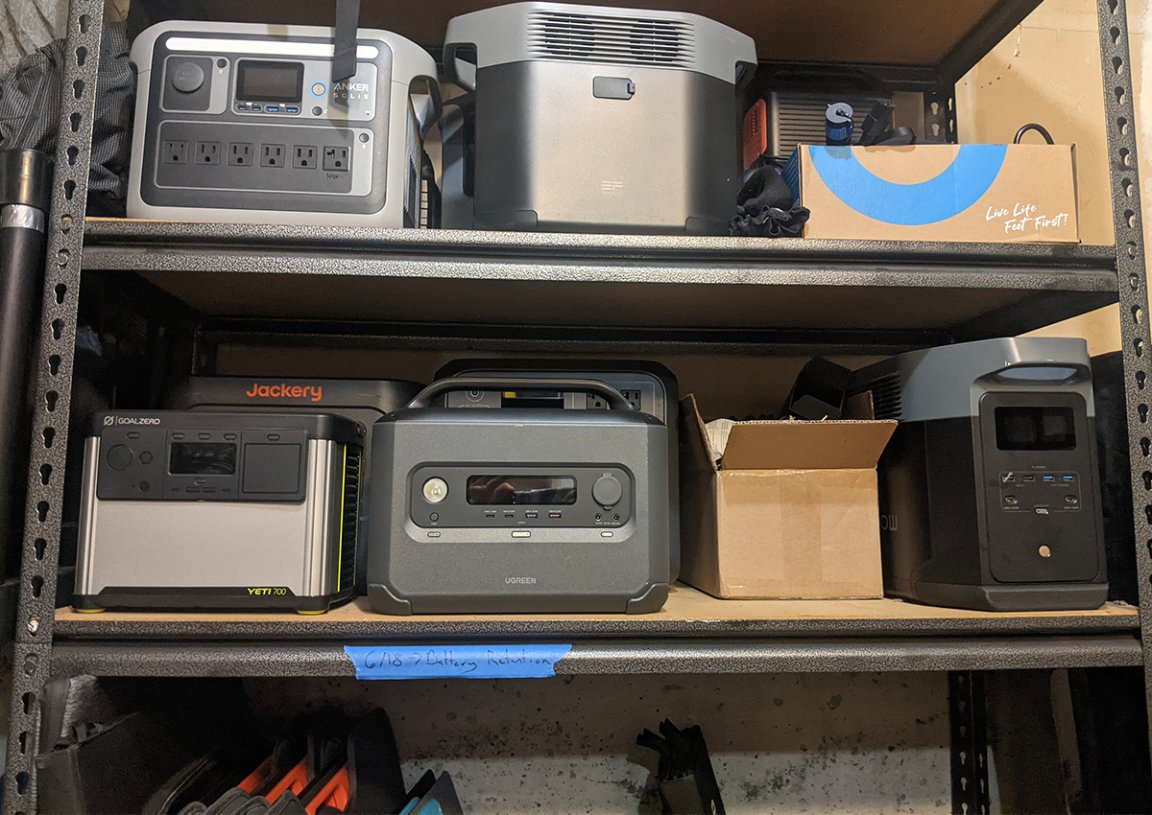
Credit: www.outdoorlife.com
Frequently Asked Questions
What Appliances Should I Turn Off During A Power Outage?
Turn off major appliances like refrigerators, ovens, and air conditioners to prevent power surges. Unplug electronics such as TVs, computers, and chargers to protect them from damage. Keep lights off to conserve energy.
Can You Run A Refrigerator On A Battery Backup?
Yes, you can run a refrigerator on a battery backup. Ensure the battery’s capacity matches the fridge’s power needs. Use an inverter to convert DC to AC. This setup can provide temporary power during outages. Ensure the battery is fully charged for optimal performance.
What Appliances Use The Most Power On Standby?
Televisions, gaming consoles, and desktop computers use the most power on standby. Other culprits include microwave ovens, printers, and audio systems. Unplugging these devices or using smart power strips can help reduce energy consumption.
How To Keep A Fridge Running During A Power Outage?
Use a generator or power inverter to keep the fridge running. Limit door openings to maintain coolness. Store ice packs inside to help preserve temperature. Disconnect non-essential appliances to conserve energy. Consider a portable battery backup for short outages.
Conclusion
Choosing the right appliances for backup power is crucial. Keep essential devices powered. Think refrigerators, medical equipment, and lights. Prioritize safety and comfort. Efficient energy use is key. Small devices can save power. Plan ahead for unexpected outages. Consider your family’s specific needs.
Every home is unique. Make informed choices to ensure stability. Reliable power keeps daily life running smoothly. Stay prepared and calm during outages. Backup systems provide peace of mind. A little planning now saves trouble later.