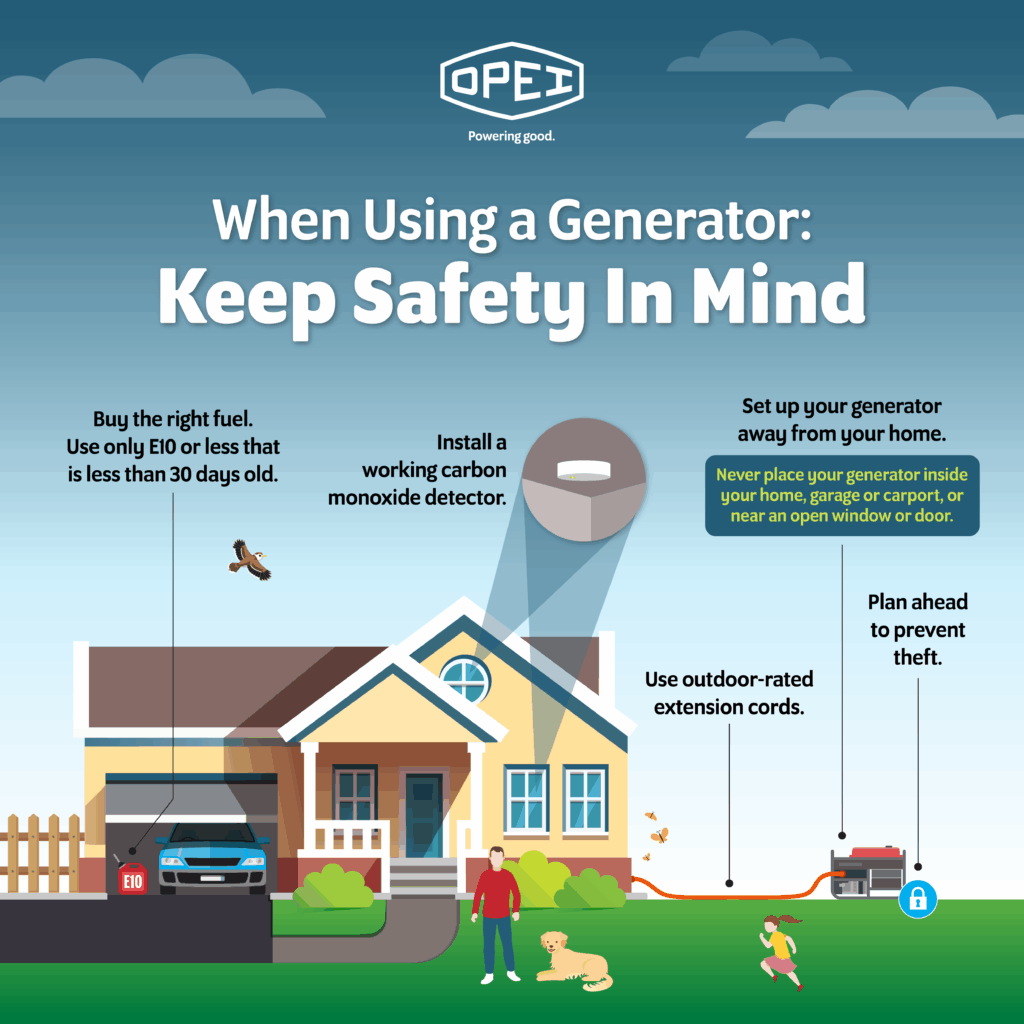
Are you using a generator to power your home or job site? If so, ensuring the safety of your generator cords is crucial.
Imagine a world where power is seamless and interruptions are a thing of the past. But, without the right precautions, that reliable power source can quickly become a hazard. Generator cords, when not handled properly, can lead to dangerous situations like electrical shocks or fires.
That’s why understanding and implementing best practices for generator cord safety is essential. In this guide, you’ll discover simple yet effective strategies to keep your power running smoothly and safely. Keep reading to learn how you can protect your equipment, your home, and most importantly, yourself and your loved ones.
Choosing The Right Generator Cord
Choose the right cord gaugefor the power your generator uses. Thicker cords (lower gauge numbers) carry more electricity safely. Longer cords may need thicker gauge to avoid power loss.
Use only outdoor-rated cords. These cords have special insulation to protect against weather and rough use. Indoor cords can cause shocks or fires outside.
Check compatibility with your generator. Make sure the cord plugs fit your generator’s outlets and match the power output. Using wrong cords can damage equipment or cause hazards.
Inspecting Cords Before Use
Always check generator cords for cuts, cracks, or exposed wires. These damages can cause shocks or fires.
Test the plugs and connections by gently pulling and twisting. Loose parts can be dangerous.
Avoid using cords near water or wet spots. Water and electricity do not mix well.
- Look for worn spots or frayed areas on cords.
- Make sure plugs fit tightly in outlets.
- Keep cords dry and off the ground.
Safe Setup And Operation
Place cords where they won’t cause trips or damage. Avoid sharp bends and keep cords dry. Keep cords away from heat, water, and heavy traffic areas. Use extension cords rated for outdoor use and proper power load.
Use Ground Fault Circuit Interrupters (GFCIs)to protect from electric shock. GFCIs quickly cut power if a fault is detected. They are especially important in wet or damp environments.
Do not connect more devices than the cord or generator can handle. Overloading can cause overheating and fires. Always check the power ratings of both the cord and generator before use.

Credit: www.threads.com
Preventing Electrical Hazards
Keep cords dryto prevent electric shock. Water and electricity do not mix. Use covers or place cords away from wet areas. Always check cords for damage before use. Wet cords can cause short circuitsor fires.
Avoid trip hazardsby organizing cords properly. Do not run cords across walkways or doorways. Use cord covers or tape cords down. This keeps people safe and prevents damage to cords.
Secure connectionstightly to avoid sparks or power loss. Make sure plugs fit fully into outlets. Use extension cords made for outdoor use if needed. Loose connections can cause overheating or fires.
Maintenance And Storage Tips
Cleaning generator cordsis key to keeping them safe and working well. Use a soft cloth to wipe off dirt and dust. Avoid harsh chemicals that can harm the cord’s insulation. Keep cords dry and clean before storing.
Store cords in dry places. Moisture can cause damage and lead to electrical problems. Use hooks or reels to keep cords off the ground. This prevents tangling and protects them from wear and tear.
Perform regular inspectionsto spot any damage early. Look for cuts, cracks, or exposed wires. Replace cords with visible damage to avoid hazards. Check plugs and connectors for wear or loose parts.

Credit: www.esfi.org
Emergency Preparedness
Emergency preparednessmeans knowing how to use your generator cord safely. Recognizing warning signsis key. Watch for frayed wires, sparks, strange smells, or the cord feeling hot. These signs mean stop using it immediately.
Safe shutdown procedureskeep you safe. Turn off all connected appliances first. Then switch off the generator. Unplug the cords carefully, holding the plug, not the wire. Store the cord in a dry place.
When to call a professional: if the cord shows damage or if the generator has unusual noises or smells. Never try to fix electrical parts yourself. A trained expert can check and repair safely.

Credit: www.micksgonebush.com.au
Frequently Asked Questions
What Are The Safest Materials For Generator Cords?
Generator cords should be made from heavy-duty, weather-resistant materials like rubber or thermoplastic. These materials prevent damage and reduce electrical hazards, ensuring durability and safety during use.
How To Avoid Electrical Hazards With Generator Cords?
Always inspect cords for damage before use. Keep cords dry and avoid running them through water or wet areas to prevent shocks or fires.
Can I Use Any Extension Cord With My Generator?
No, use only heavy-duty, outdoor-rated extension cords with sufficient amperage capacity. This ensures safe operation and prevents overheating or electrical failures.
Where Should I Place Generator Cords During Operation?
Keep cords off the ground, away from foot traffic, and protected from sharp objects. Elevated placement reduces trip hazards and cord damage.
Conclusion
Following safe practices keeps you and your home protected. Use generator cords designed for heavy use. Avoid running cords through doors or windows. Check cords regularly for damage or wear. Keep cords dry and away from water sources. Turn off the generator before plugging or unplugging cords.
These simple steps reduce risks of shocks and fires. Safety should always come first with generator use. Stay alert and handle cords with care every time. Safe habits prevent accidents and keep power running smoothly.