
Have you ever experienced a sudden power outage and felt completely helpless? Imagine a reliable solution that keeps your home running smoothly, no matter what happens with the electricity.
That’s where standby generators come in. They’re designed to protect your comfort, safety, and peace of mind when the lights go out. You’ll discover exactly what standby generators are, how they work, and why having one could be one of the smartest choices you make for your home or business.
Keep reading to find out how you can stay powered up without lifting a finger.
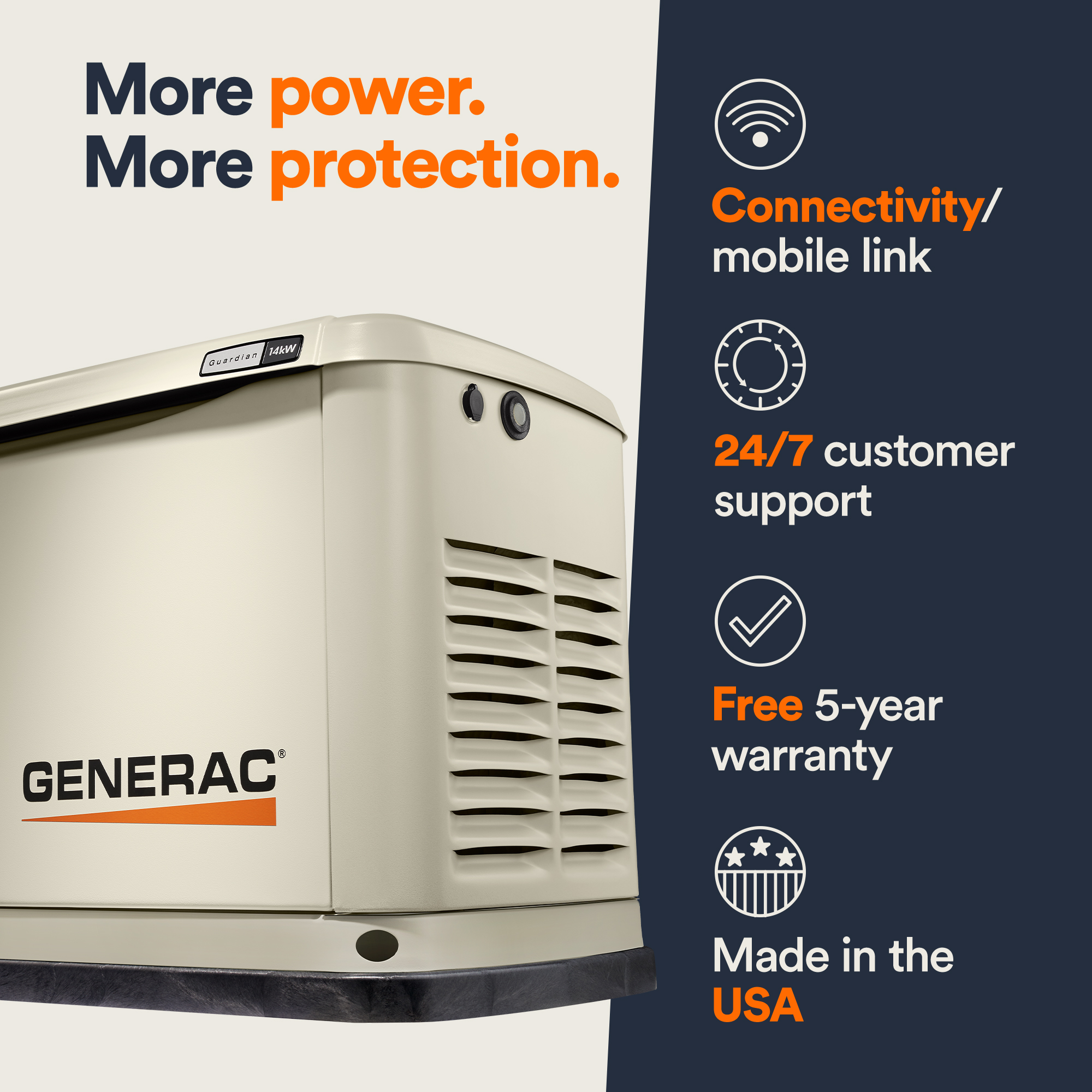
Credit: www.generac.com
Standby Generators Basics
Standby generatorsprovide automatic power during outages. They connect to your home’s electrical system and fuel source. When power fails, the generator starts within seconds and supplies electricity. This process is fully automatic, requiring no manual effort. Once power returns, the generator shuts off and waits for the next outage.
Standby generators use different types of fuel and designs. Choosing the right type depends on your needs, fuel availability, and budget.
| Type | Fuel Source | Key Features | Best For |
|---|---|---|---|
| Natural Gas | Natural gas | Continuous fuel supply, low emissions | Homes with gas lines |
| Propane | Propane tanks | Portable, easy storage | Homes without gas lines |
| Diesel | Diesel fuel | High power output, durable | Large homes, commercial use |
Key Components
The enginepowers the generator by burning fuel like gas or diesel. It creates the mechanical energy needed. The alternatorturns this mechanical energy into electrical power. Both parts work together to provide electricity during outages.
The transfer switchmoves the power source from the grid to the generator automatically. It keeps your home safe by stopping electricity from going back to the power lines. This switch is key for smooth power changes.
The control panellets you start and stop the generator. It shows important information like fuel level, power output, and any problems. The panel helps you keep the generator running well and safely.
Benefits Of Standby Generators
Standby generatorsprovide reliable powerduring outages. They switch on automatically when electricity goes off. This keeps your home running without interruption. You can keep lights, fridge, and heating working.
With automatic operation, there is no need to start the generator yourself. It senses power loss and turns on in seconds. This saves time and effort, especially during emergencies.
Increased home safetyis another key benefit. Standby generators power security systems and lights, helping to protect your family. They also prevent food spoilage by keeping refrigerators cold. This gives peace of mind during storms or blackouts.

Credit: www.aeheatingandcooling.com
Installation Considerations
Site preparation is key for a standby generator. Choose a flat, solid area outside your home. Keep it clear of debris and away from windows or vents. Proper ventilation is essential to avoid gas buildup. The base must support the generator’s weight and keep it stable.
Professional installation ensures safety and reliability. Experts handle wiring and connections correctly. They test the system to confirm it works during power outages. This helps avoid future problems and costly repairs.
Permits and regulations vary by location. Local rules may require permits before installation. Inspectors may check the setup for safety compliance. Always check with local authorities before starting work.
Maintenance Tips
Regular testing keeps the standby generator ready for use. Run the generator under load at least once a month. This helps spot any issues early and ensures the battery stays charged. Testing also keeps the engine parts lubricated and prevents fuel from going stale.
Fuel management is key to long-term generator health. Use fresh fuel and add stabilizers to prevent fuel breakdown. Store fuel in a cool, dry place away from sunlight. Check fuel levels often, especially before storms or power outages. Replace old fuel to avoid clogs and engine damage.
| Inspection Area | What to Check | Frequency |
|---|---|---|
| Battery | Check charge and connections | Monthly |
| Oil Level | Check and change oil | Every 50-100 hours or yearly |
| Air Filter | Clean or replace filter | Every 6 months |
| Coolant | Check level and condition | Every 6 months |
| General | Look for leaks or damage | Monthly |

Credit: capitalheat.com
Cost Factors
The initial purchase priceof a standby generator depends on its size and power output. Larger generators cost more because they provide more electricity. Quality and brand also affect the price.
Installation expensesinclude labor and materials. These costs vary by location and the complexity of the setup. Adding a transfer switch and proper wiring adds to the cost.
- Fuel typeaffects operating costs. Natural gas is usually cheaper than propane or diesel.
- Maintenanceis needed regularly to keep the generator working well.
- Fuel consumptiondepends on how often the generator runs and the load it carries.
Choosing The Right Generator
Choosing a standby generator means knowing your power needs. Think about what devices and systems you want to keep running during an outage. Small homes need less power than large ones. Make a list of essential items and check their wattage. This helps pick the right size generator.
Fuel optionsinclude natural gas, propane, and diesel. Natural gas is common and easy to use if connected to your home. Propane is clean and stores well but needs refilling. Diesel is powerful but can be noisy and needs more care. Choose fuel based on availability and cost in your area.
| Brand | Warranty | Why It Matters |
|---|---|---|
| Brand A | 5 years | Long warranty means fewer worries about repairs. |
| Brand B | 3 years | Shorter warranty but often cheaper upfront cost. |
| Brand C | 7 years | Best for those wanting long-term security. |
Common Applications
Standby generatorsprovide power during outages. They help keep important systems running.
In residential use, these generators power lights, heaters, and refrigerators. They keep homes safe and comfortable during blackouts.
In commercial settings, standby generators support businesses. They keep computers, cash registers, and security systems working. This helps avoid lost sales and data.
Critical facilitieslike hospitals and emergency centers rely on standby generators. They ensure life-saving machines and communication tools stay on without interruption.
Frequently Asked Questions
What Is A Standby Generator?
A standby generator is a backup electrical system that operates automatically. It provides power during an outage. The generator senses the power loss and turns on automatically. It runs on fuel like diesel or natural gas. Standby generators are essential for homes and businesses to ensure continuous power supply.
How Do Standby Generators Work?
Standby generators work by automatically detecting power outages. Once detected, they start up and supply electricity to the building. They are connected to the electrical panel and fuel source. When utility power returns, the generator shuts off automatically. This seamless transition ensures minimal disruption during power failures.
Why Are Standby Generators Important?
Standby generators provide essential backup power during outages. They ensure that critical appliances and systems remain operational. This is crucial for homes, businesses, and healthcare facilities. They help prevent data loss, spoilage, and downtime. In emergencies, they provide reliable power, ensuring safety and convenience.
How Often Should Standby Generators Be Serviced?
Standby generators should be serviced at least once a year. Regular maintenance includes checking fuel, oil, and battery levels. Professional inspection ensures optimal performance. Servicing helps identify and fix potential issues before they cause failures. Regular maintenance prolongs the lifespan and reliability of the generator.
Conclusion
Standby generators provide reliable power during outages. They switch on automatically, keeping homes safe and comfortable. These devices protect important appliances from damage. Installing one can save time and stress. Choosing the right generator depends on your needs and budget.
Regular maintenance ensures it works when needed. A standby generator offers peace of mind in storms or blackouts. Consider it a smart step for any home or business. Power interruptions become less of a worry with this backup system.