
You’ve probably heard a lot about the amazing benefits of solar energy. It sounds like the perfect way to power your home and save money while helping the planet.
But what if there’s more to the story? Before you make the switch, it’s important to understand the drawbacks that come with solar energy generation. Knowing these challenges can help you make smarter choices and avoid surprises down the road.
Keep reading to discover what you need to know before going solar.
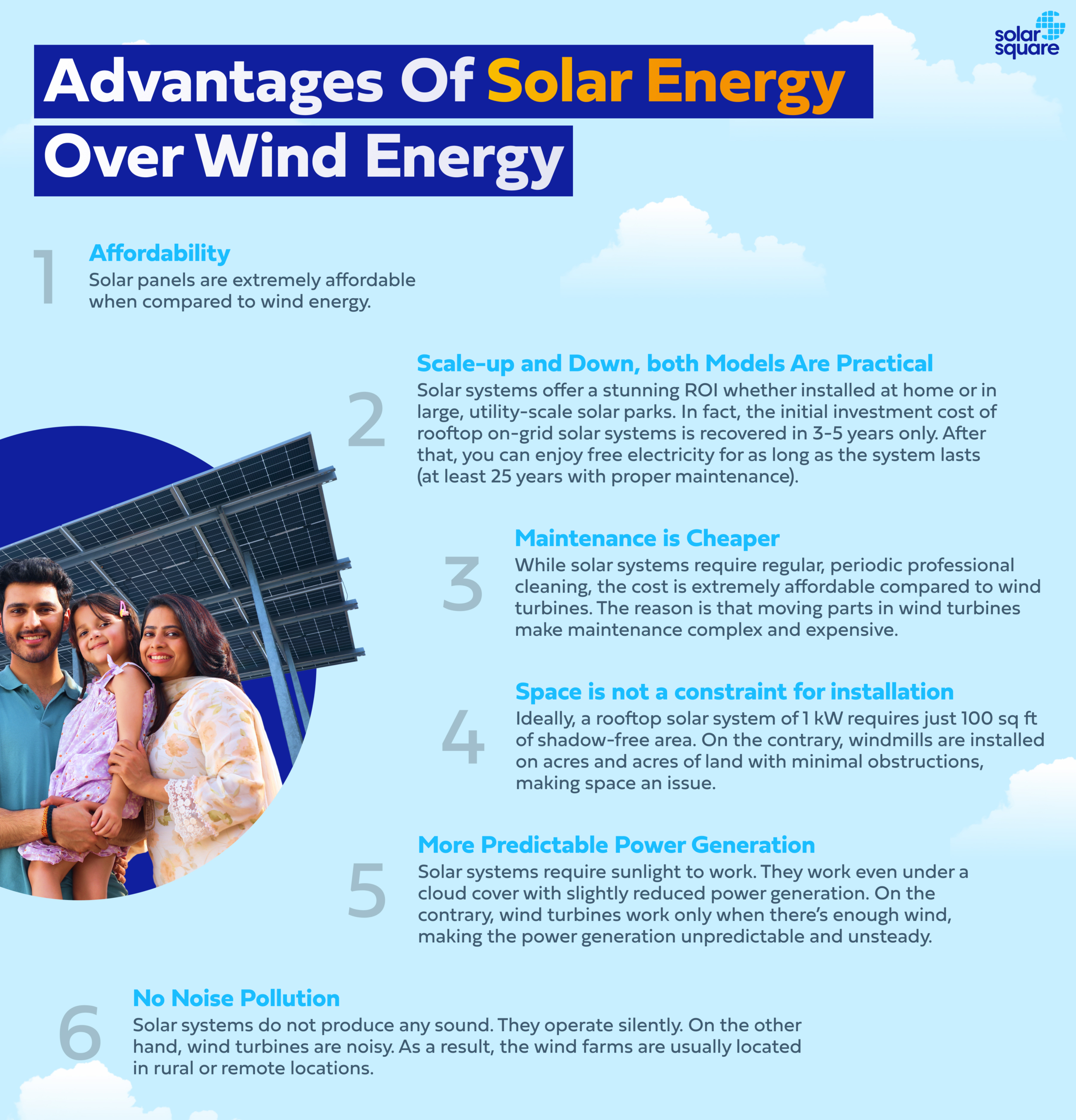
Credit: www.solarsquare.in
Limitations Of Solar Efficiency
Solar panelswork best under clear sunlight. Clouds, rain, or snow can reduce their power output. On cloudy days, energy production may drop significantly. This makes solar energy less reliablein places with frequent bad weather.
The energy conversion rateof solar panels is not 100%. Most panels convert only about 15-20%of sunlight into electricity. This means a lot of sunlight is wasted. Scientists are working to improve these rates, but current technology has limits.
| Season | Solar Energy Production | Reason |
|---|---|---|
| Summer | High | Longer daylight and stronger sun |
| Winter | Low | Shorter days and weaker sun |
| Spring/Fall | Medium | Moderate daylight and sun strength |
Energy production changes with seasons. In winter, solar panels produce less power. This is due to shorter days and weaker sunlight. Solar energy is best used with other power sources for steady supply.
High Initial Investment
The cost of equipmentfor solar panels is usually high. Panels, batteries, and inverters add up quickly. This makes the initial purchase expensive.
Installation expensesalso add to the total cost. Skilled labor is needed to set up the system safely. Sometimes, extra work on the roof increases the price.
The return on investment timelinecan be long. It may take years to recover the money spent. Savings on electricity bills grow slowly over time.
Space Requirements
Solar panels need large areas to produce enough energy, which can limit their use in small spaces. This space demand may cause challenges in urban or crowded locations.
Land Use Challenges
Solar panels need a lot of spaceto capture sunlight efficiently. Large solar farms can take up fields or open land. This can reduce the area available for farming or nature. Some places struggle to find enough free land. The cost of land near cities is often very high. This makes solar projects expensive.
Urban Vs Rural Constraints
- Urban areashave limited space for solar panels.
- Rooftops and small plots can fit solar panels but limit size.
- Rural areashave more open land but fewer users nearby.
- Long distances in rural areas increase costs for power lines.
- Local rules and land rights can block solar projects.
Energy Storage Issues
Energy storage limits solar energy use when the sun isn’t shining. Batteries can be costly and have limited capacity. This makes consistent power supply a challenge.
Battery Limitations
Solar energy depends on batteries to store power for night or cloudy days. Most batteries have limited capacity. They cannot hold enough energy for long periods. Batteries also wear out after many charges and need replacement. This adds to maintenance costs.
Storage Costs
Storing solar energy can be expensive. High-quality batteries cost a lot. The initial setup and ongoing maintenance raise the total price. This makes solar energy less affordable for some people.
Energy Loss Over Time
Energy stored in batteries slowly decreases. This is called self-discharge. Over time, some stored power is lost even without use. This reduces the total usable energy from solar systems.
Environmental Concerns
Manufacturing solar panelsuses energy and raw materials. Mining for materials like silicon and rare metals can harm nature. Factories may release pollutants during production.
Material disposalis a challenge. Old panels contain toxic substances like lead and cadmium. Recycling is hard and not common yet. Many panels end up in landfills, causing pollution.
Land disturbancehappens when solar farms are built. Large areas of land may be cleared, which can harm plants and animals. This can change the natural habitat and reduce biodiversity.

Credit: www.reliance-foundry.com
Grid Integration Challenges
Intermittencymeans solar power is not always available. Clouds and night stop energy production. This makes it hard to keep the power steady.
Many places need big infrastructure upgrades. Old power lines and systems can’t handle sudden changes. New systems cost a lot and take time to build.
Balancing supply and demand is tricky. Solar power can be strong at noon but weak in the evening. Energy must be saved or made from other sources to fill gaps.
Maintenance And Durability
Solar panels slowly lose their powerover time. This is called panel degradation. It means the panels produce less energy each year. Usually, they lose about 0.5% to 1% efficiency yearly. This can affect your energy savings in the long run.
Cleaning solar panelsis important to keep them working well. Dust, dirt, and leaves can cover panels and block sunlight. Cleaning may need to be done several times a year, depending on the location. This can add to the cost and effort of maintaining solar systems.
Repair costscan be high if panels or parts break. Sometimes, panels or wiring need fixing after storms or accidents. Repairs can take time and money. It is important to think about these extra costs before installing solar panels.

Credit: www.reliance-foundry.com
Frequently Asked Questions
What Are The Main Disadvantages Of Solar Energy?
Solar energy depends heavily on sunlight, limiting efficiency during cloudy days and nighttime. Initial installation costs can be high. Solar panels require significant space and may have environmental impacts during manufacturing and disposal.
How Does Solar Energy Impact The Environment Negatively?
Solar panel production uses toxic materials and energy, causing pollution. Disposal of old panels can lead to hazardous waste. Large solar farms may disrupt local ecosystems and wildlife habitats.
Is Solar Energy Reliable All Year Round?
Solar energy is less reliable during winter or in areas with frequent cloudy weather. Energy storage solutions like batteries help but add to costs. Solar power works best in sunny, clear conditions.
Are Solar Panels Expensive To Maintain?
Solar panels require minimal maintenance, mostly cleaning and occasional inspections. Maintenance costs are generally low compared to other energy systems. Proper upkeep ensures panels operate efficiently for 25+ years.
Conclusion
Exploring solar energy’s drawbacks helps make informed decisions. Costs can be high. Installation and maintenance require attention. Weather affects efficiency. Space might be needed for panels. Energy storage remains a challenge. Limited sunlight reduces energy production. Despite these issues, solar power has potential.
It can complement other energy sources. Understanding both pros and cons is key. Make choices based on your specific needs. Solar energy isn’t perfect, but it offers benefits. Consider all factors before investing. Make sure to weigh options carefully. This way, you can decide what’s best for you.